The Majestic Iberian Horse: History, Characteristics, and Care
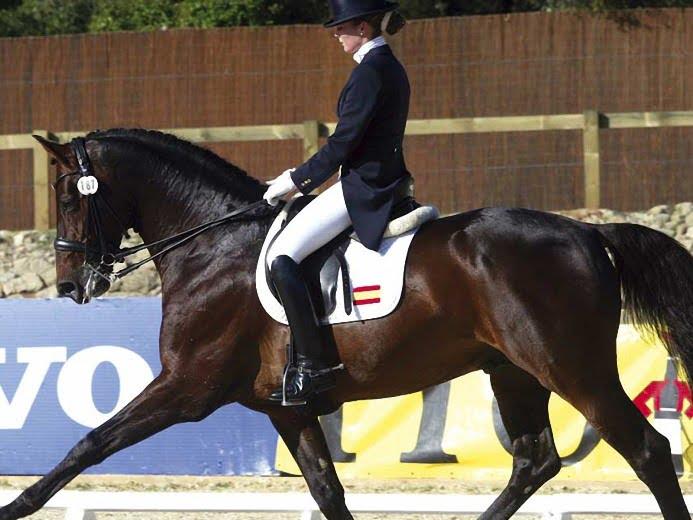
The Iberian horse is not one breed but a useful umbrella for a few closely related types developed on the Iberian Peninsula, most commonly the Andalusian or Pura Raza Espanola (PRE) from Spain and the Lusitano from Portugal. They are compact, balanced and famously trainable, with a naturally uphill way of going that suits classical dressage, working equitation, carriage driving and pleasant hacking. Sitting on a good one is genuinely comfortable, because the shorter back and strong hindquarters make collection feel easy rather than forced. They are also efficient keepers that hold condition on very little, so how you feed and manage one matters as much as how you ride it. This guide keeps things grounded: what "Iberian" actually means, what these horses look like, what they are good at, and how to look after one day to day.
History and Origin
"Iberian horse" is a category, not a single registry the way "Thoroughbred" is. The horses developed on the Iberian Peninsula, in modern Spain and Portugal, where local populations were shaped over centuries by geography, climate, warfare, farming and later by organised breeding. The named modern breeds, especially the PRE and the Lusitano, were refined for agility, responsiveness and a naturally elevated way of moving suited to classical horsemanship.
Their influence on classical riding is easy to trace. The Spanish Riding School in Vienna is dedicated to classical dressage and rides Lipizzaner stallions. The school's name reflects the historic use of "Spanish" horses in the development of the Lipizzan breed, even though the school today uses Lipizzaners rather than Iberian breeds directly.1, 2
Appearance and Physical Characteristics
The baroque outline is the giveaway. Most Iberian-type horses have a compact, muscular body, a neck that rises cleanly from the shoulder, strong hindquarters built to carry weight, and often a long, generous mane and tail. Typical height sits around 15 to 16 hands, with weight roughly 450 to 550 kg depending on height, bone and condition. Grey is very common in Andalusians, though bay, black and chestnut also occur.
Under saddle, many offer a naturally uphill feel and a quickness to the aids that finds collection more easily than long-framed breeds do. The head is usually refined with expressive eyes, and some individuals show a slightly convex or sub-convex profile depending on the line. That look is common in baroque horses, but it is not a requirement of being Iberian.
Temperament and Personality
Good Iberian horses are usually described as intelligent and sensitive, with a strong ability to learn patterns and respond to subtle signals. Sensitivity is not the same as "hot": many are calm in the paddock, then sharp and present once they are working. That combination is exactly why the breed suits precise, cadenced work in quiet hands.
Because these horses notice everything and respond fast, they can learn the wrong lesson as quickly as the right one. A well-started gelding can be a steady, safe partner, while a poorly started or overfaced youngster can become reactive in a hurry. Suitability depends far less on the label than on the individual's training and handling.
Is an Iberian Horse Right for You?
These horses reward riders who are quiet and consistent, and they can frustrate riders who are busy or heavy with the aids. In the right hands the compact, balanced build translates into expressive, comfortable, precise work. In the wrong hands the same build turns into tension and short steps. If you enjoy careful schooling and clear routines, an Iberian can be a joy. If you want a forgiving horse you can ride occasionally and roughly, this is probably not the type for you.
Management is the other half of the decision. Iberian types are often "good doers", so they need a paddock and feeding plan built around keeping weight off, not piling it on. Pasture, hay and routine care will shape the horse you have in a year's time as surely as any training plan.
Training and Exercise
Start with steadiness, not sparkle. These horses often thrive on clear routines, careful exposure to new places, and short, sensible sessions that end before the horse becomes tired or overwhelmed. Because they can learn quickly, they can also learn the wrong lesson quickly, so early handling really matters.
What tends to work well:
- Consistent cues and a quiet rider position, since they often respond to very small changes.
- Short, frequent schooling rather than occasional long sessions.
- Plenty of straight lines and forward marching work to keep the body loose.
- Variety, mixing arena work with hacking, poles and gentle hills.
Health and Lifespan
With good care, many horses live well into their twenties. For a lot of modern leisure horses the bigger risk is not hard work, it is carrying too much condition on rich feed and pasture.
Iberian types are often described as good doers. That can be handy in lean seasons, but it also means they may be more prone to weight gain and insulin-related problems if they are fed like a harder-keeping breed. Equine metabolic syndrome (EMS) is closely linked with insulin dysregulation and increased laminitis risk, so it is worth taking body condition seriously and working with your vet if weight is creeping up.3 If you are managing a horse with EMS risk or a laminitis history, guidance commonly includes prioritising low-sugar forage, weighing hay, and considering hay testing or soaking where appropriate, always under veterinary advice, especially if you are restricting intake.3, 4
Preventative care basics:
- Routine veterinary care: vaccinations and health checks to suit your region and the horse's workload.
- Hoof care: regular trims or shoeing on a schedule that suits the horse, often around 6 to 8 weeks, adjusted for growth and terrain.5
- Dental checks: at least annually for most adult horses, more often for young horses in work or individuals with issues.5
- Parasite control: an evidence-based worming plan with your vet, often guided by faecal egg counts.
Grooming and Care
Many Iberian horses grow generous manes and tails, but grooming is mostly about comfort and skin health rather than looks. A steady routine of curry comb, body brush and careful detangling of mane and tail keeps the coat clean and lets you notice small problems early, such as rub marks, rain scald, ticks or minor wounds.
During shedding seasons, a bit more time with a curry comb or shedding tool makes a visible difference, especially around the girth line, elbows and under the neck where sweat and dust collect.
Diet and Nutrition
Forage is the steady baseline for almost all horses. In Australia, animal welfare guidance and practical feeding advice consistently emphasise access to clean water at all times and enough roughage to keep the gut working properly.6, 7
Feed forage first, then adjust:
- Base diet: pasture and/or good quality hay, adjusted to maintain a healthy body condition score.
- Concentrates (grain or pellets): only if needed for workload, growth, pregnancy or lactation, or for poor doers, ideally chosen with professional advice.
- Salt: provide access to salt, often via a lick, and discuss broader mineral needs with your vet or an equine nutritionist if feeding mostly hay.6, 7
Water matters more than people think. Australian guidance commonly puts an adult horse's daily water needs in the tens of litres, with higher requirements in hot weather and during work. Clean, reliable water access is non-negotiable.6, 8
A Few Things Worth Knowing
- "Airs above the ground" are part of the classical dressage tradition. The breeds most associated with this style include the Lipizzaner and the Andalusian, with Lusitanos also well represented in high school work.9
- Spain's Royal Andalusian School of Equestrian Art in Jerez is closely tied to preserving the Spanish tradition of baroque horsemanship and is widely known for performances built around Andalusian horses.10
The Bottom Line
An Iberian horse does not need myth to be impressive. The compact body, the quick feet and the neck that rises cleanly can offer collection, comfort and precision under saddle, so long as the basics are quiet, consistent and kind. If you are choosing one, pay as much attention to management as to movement, because pasture, hay and routine care will decide how sound and how sane your horse stays over the years.
References
- Spanish Riding School (official site), Overview and mission
- Spanish Riding School (background and history)
- Cornell University College of Veterinary Medicine, Equine metabolic syndrome, obesity and laminitis (hay/NSC discussion)
- Agriculture Victoria, Feed requirements of horses
- NSW DPI, Caring for horses (feeding, teeth, hoof care and welfare basics)
- Agriculture Victoria, Basic horse care (feed guides and water needs)
- RSPCA WA, Horse welfare (water, shelter and general care)
- NSW Department of Education, Horses: food and water (animals in schools guidance)
- Classical dressage (overview, including airs above the ground and breeds commonly associated)
- Fundacion Real Escuela Andaluza del Arte Ecuestre (official), History of the Royal Andalusian School of Equestrian Art

Dog lover and writer at My Pets Australia, sharing practical breed guides and care advice for Australian pet owners.