How to Care for Goldfish: A Comprehensive Guide for Australian Enthusiasts
Goldfish (Carassius auratus) are one of the oldest and most forgiving fish in the hobby, shaped over centuries into everything from sleek commons and comets to round-bodied fancies with ornate fins. They are hardy, colourful, long-lived, and cheap to get started with, which is exactly why so many end up in a bowl that is far too small. A well-kept goldfish can live for a decade or more. The part that needs the work is the water, not the fish, because goldfish eat enthusiastically and produce a lot of waste. Get the volume and filtration right and the rest is genuinely easy.1, 2
Goldfish in Australia: pets, and also potential pests
Goldfish were brought to Australia as ornamental fish and are now established in many waterways, particularly across the southern half of the country.3, 4 They are legal to keep, but that history carries one firm rule.
Never release aquarium fish, plants, or water into drains, creeks, rivers, or dams. If you cannot keep a fish, rehome it through a pet shop, another keeper, or a local aquarium society. Do not "set it free".1, 2
History and Origin
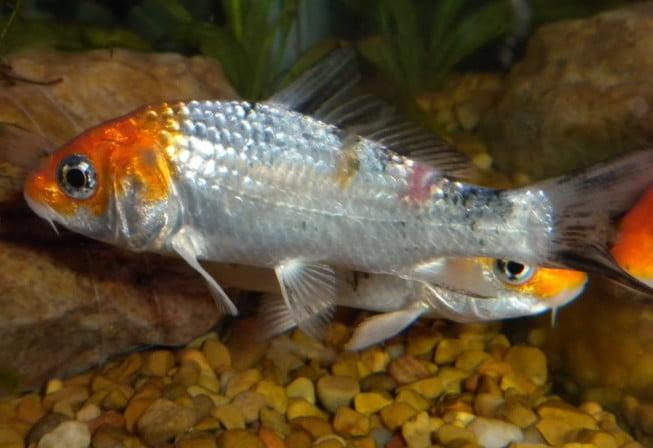
Goldfish were domesticated from carp-like ancestors in China, then refined by centuries of selective breeding into the varieties seen today: streamlined commons and comets, and round-bodied fancy types with ornate fins and altered head shapes.6
Those body shapes are not just cosmetic. Rounded fancy goldfish tend to be slower swimmers and can be more prone to buoyancy and fin problems, which makes stable water quality and gentle tank design more important for them.
Temperament and Personality
In a settled tank, goldfish spend much of the day cruising, picking at surfaces, and sifting through the bottom for edible scraps. Brief jostling at feeding time is normal, especially in groups.
They are usually safest kept with other goldfish. Many tropical community fish need warmer water, and small fish may be bullied or accidentally eaten once a goldfish is big enough to fit them in its mouth.
Care and Housing
Tank size: think in terms of adult fish
Goldfish are sold small, but they do not stay that way. In Australia, wild and escaped fish can reach large sizes, and even in home care a well-fed goldfish can outgrow a starter setup quickly.1, 4
- Avoid bowls. They are difficult to filter and unstable for temperature and water quality.7
- Choose a tank with room to grow. Bigger volumes dilute waste and are easier to keep stable than small tanks.1, 7
There is no single litres-per-fish number that fits every setup, because filtration, planting, and maintenance all matter. As a safety check, use welfare guidance that scales tank size to fish size (not shop size), then err larger if you can.1, 7
Filtration and cycling
A tank can look crystal clear and still be chemically unsafe, especially when ammonia or nitrite is present. In a cycled aquarium, ammonia and nitrite should sit at zero, with nitrate managed through water changes and plant uptake.8
- Use a filter rated above your tank volume. Goldfish systems often need oversized filtration because of the waste load.
- Do not replace all filter media at once. Much of the beneficial bacteria lives there.
- Test water regularly (ammonia, nitrite, nitrate), especially after adding fish, changing feeding, or cleaning the filter.8
Water temperature and placement
Goldfish are cool-water fish, so stability matters more than heating. Keep the tank out of direct sun and away from heat spikes, and avoid sudden temperature swings during water changes.
Decor, plants, and substrate
Goldfish explore with their mouths and can be rough on delicate plants. Choose decor that will not tear fins or trap fish.
- Smooth hardscape such as rounded stones and driftwood without sharp points.
- Hardy plants such as anubias and java fern, often better tied to wood or rock than planted in soft substrate.
- Substrate you can clean. Detritus collects quickly in goldfish tanks, so pick gravel or sand you can vacuum effectively.
Diet and Nutrition
A goldfish diet works best when it is steady and varied: a quality staple food, plus plant matter and occasional higher-protein items. Overfeeding is one of the fastest ways to foul water, so portion control matters as much as food choice.1
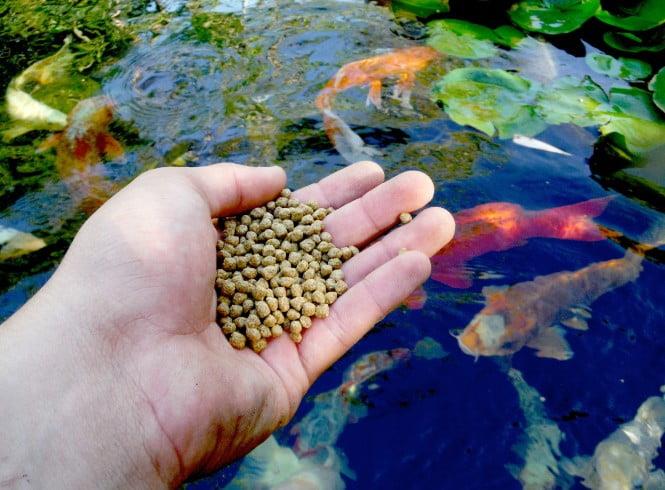
- Staple: quality sinking pellets formulated for goldfish, often easier on water quality than flakes.
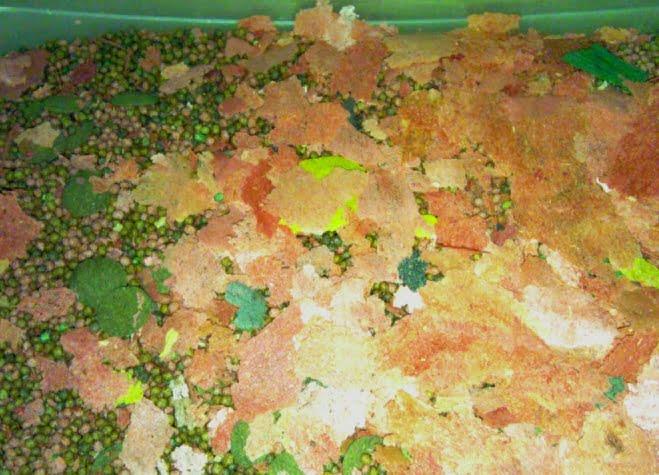
- Add fibre: blanched peas (skins removed), spinach, or other soft greens in small amounts.
- Occasional protein: frozen foods such as daphnia or brine shrimp.
- Avoid: bread and fatty human foods, which add waste without proper nutrition.
Feed only what they finish in a couple of minutes, then remove any leftovers.
Health and Lifespan
With space, clean water, and consistent care, goldfish can live for many years. Australian biosecurity guidance notes typical lifespans of around 9 to 10 years, with some individuals living much longer under favourable conditions.4
Most common problems trace back to environment rather than bad luck: persistent ammonia or nitrite, high nitrate, poor oxygenation, and chronic overfeeding. Water testing and routine maintenance prevent far more illness than most bottled cures ever will.8
Signs something is wrong
- Gasping at the surface or rapid gill movement
- Clamped fins, lingering at the bottom, or unusual hiding
- Flashing (rubbing on objects), ulcers, fuzzy growths, or white spots
- Sudden buoyancy changes (floating, sinking, rolling), especially in fancy varieties
If several fish are affected at once, test the water first, because poor water quality is often the common denominator. For persistent or severe illness, seek help from a veterinarian experienced with fish.
Grooming and Care
Goldfish tanks stay healthy through small, regular interventions rather than occasional deep cleans.
- Weekly: partial water change and substrate vacuum to remove waste.
- Regularly: test ammonia, nitrite, and nitrate, and adjust water change volume or frequency if nitrate creeps up.8
- As needed: rinse filter sponges and media in old tank water (not under the tap) to preserve beneficial bacteria.
Seasonal heat is often the hardest stressor in Australian homes. In hot weather, watch for rising temperatures and reduced oxygen, and increase aeration if fish are breathing hard at the surface.
If you can't keep your goldfish anymore
Rehoming is part of responsible fishkeeping. If rehoming is not possible and a fish is suffering with a poor prognosis, humane euthanasia may be the kindest option. RSPCA guidance describes an anaesthetic overdose as the most humane method available for sick or injured aquarium fish.9
Never dispose of live fish by flushing, releasing into a waterway, or setting them free in a local pond. This can spread pests and disease and is specifically warned against by Australian biosecurity authorities.1, 2, 4
A Few Things Worth Knowing
The three-second memory story does not hold up. Goldfish can learn routines and retain information for far longer than a few seconds, with research and expert commentary describing memory that can last weeks or months depending on the task and conditions.10
What looks like simple wandering is often systematic foraging. A goldfish moves through the tank in loops and pauses, sampling surfaces for edible particles and plant matter.
The Bottom Line
A goldfish does best in a roomy, filtered system where the water stays steady and clean and the feeding does not outrun the biology. Put those foundations in place and their colour, movement, and quietly persistent foraging become the easy part to enjoy.
References
- Queensland Government, Prevent the spread of invasive freshwater animals
- Queensland Government, Identifying invasive freshwater animals
- Fishes of Australia, Goldfish (Carassius auratus) species profile
- Business Queensland, Goldfish (biosecurity and impacts)
- NSW DPI, Goldfish (freshwater pest profile)
- Encyclopaedia Britannica, Goldfish
- RSPCA Victoria, Fish care and aquarium setup (including bowls and tank sizing)
- Merck Veterinary Manual, Water quality in aquariums
- RSPCA Australia Knowledgebase, Humane euthanasia of aquarium fish
- Live Science, Goldfish memory myth explained (expert commentary and research background)

Dog lover and writer at My Pets Australia, sharing practical breed guides and care advice for Australian pet owners.