Horses as Pets
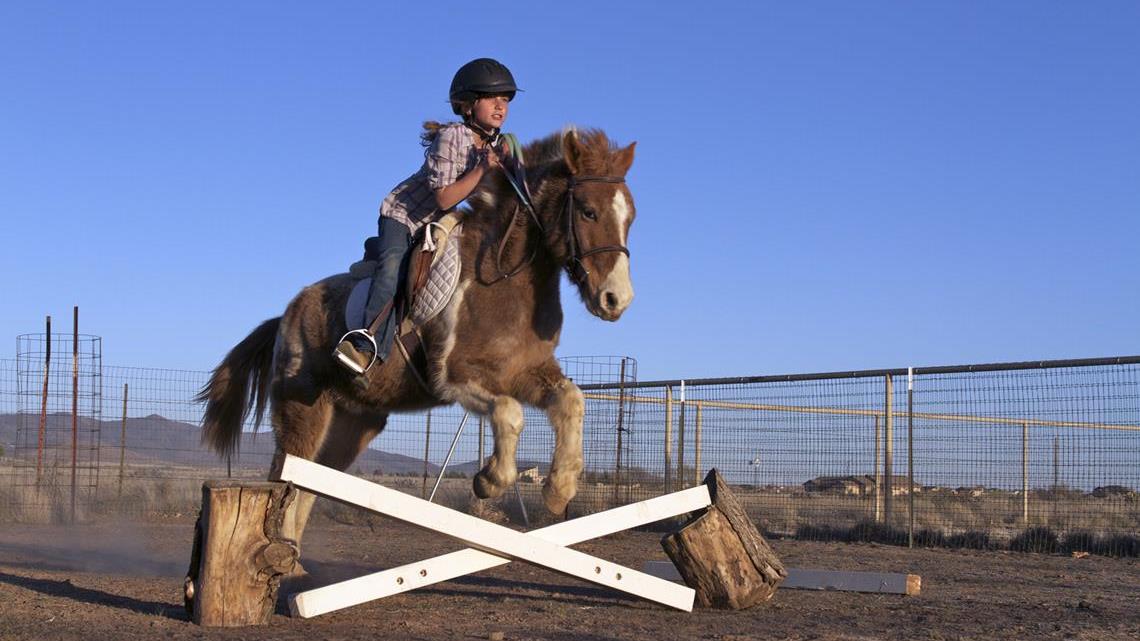
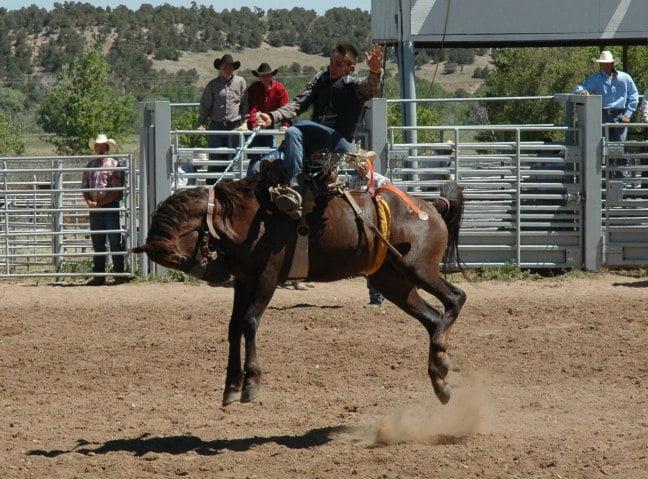
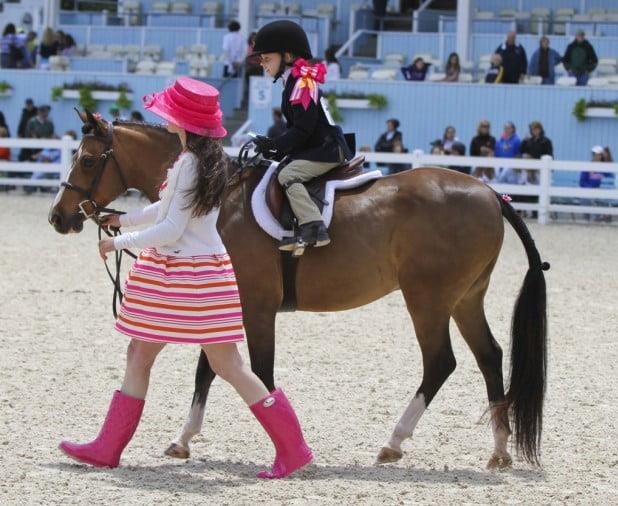
A horse is one of the few animals you can build a working partnership with over decades, and for most people that is the draw: the riding, the time outdoors, and the steady rhythm of grooming and care. The flip side is scale. A horse is closer to a small grazing livestock animal than a household pet, and the daily routine is weather-dependent and hard to pause once it begins. The payoff is real, but it comes from consistency rather than anything instant. The notes below stick to the essentials, with Australian welfare guidance and plain, workable steps.
The reality of owning a horse
Horses need space, company, and daily checks. Most do best with compatible companions, and long periods of confinement without turnout, movement, and social contact is a welfare risk.2 The upside is that horses pull people into regular, physical routines, lifting feed, walking paddocks, grooming, and the quiet repetition of handling, and the horse settles when the basics are reliable: clean water, enough forage, suitable shelter and ventilation, and calm, skilled handling.1, 9
Before you commit, be honest about what you can reliably provide in an ordinary week:
- Daily: water check, quick health look (appetite, manure, stance, any swelling or heat), feed as needed, rug or shelter check, and a safety scan of fences and gates.1, 8
- Weekly: paddock and stable hygiene, trough scrubs, checking for rubbish or toxic hazards, and a closer look at body condition and hooves.8, 9
- Ongoing: farrier visits, vaccinations and dentistry on a vet's schedule, and a worm control plan that fits your area and your horse's risk.7
Choosing the right horse
Temperament matters more than breed. Breed can hint at size, typical movement, or common uses, but it does not guarantee suitability, and for first-time owners a sensible, well-handled horse with a known history is usually a safer choice than a dream breed with gaps in training. When assessing a horse, prioritise:
- Experience match: calm in routine handling (catching, leading, tying up, feet handled).
- Soundness and comfort: willing movement, no obvious lameness, and healthy hooves.
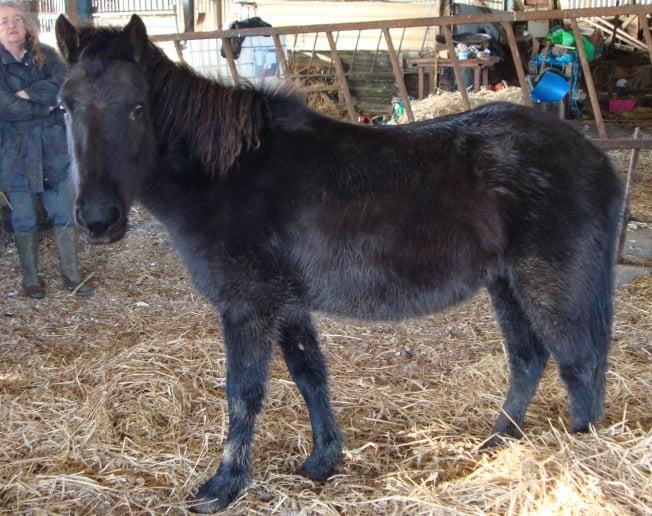
- Management fit: can maintain healthy weight on your pasture and feeding setup, which is important for laminitis risk.5
If you are unsure, organise a pre-purchase veterinary examination. It is not a guarantee, but it can reveal issues you cannot reliably spot in a single inspection.
Feeding and water
Forage does most of the work. For most horses, pasture and hay should make up the bulk of the diet, with extra feed added only when needed for workload, growth, pregnancy or lactation, or poor pasture. Sudden feed changes are a common way to stir up trouble, so change gradually.1, 10 As a broad guide used in Australian horse-care advice, total feed intake is often around 1 to 2 kg per 100 kg bodyweight per day, adjusted to the individual and the season, because pasture quality can change quickly.1
Water is not set and forget. Horses need access to clean, palatable water at all times, and automatic systems still need daily checks. In hot weather, intake commonly rises into the 25 to 45 plus litres per day range, and can be higher with heat and exercise.1, 8, 9
Housing and paddocks
A good horse setup is plain and functional. Shade and shelter matter, especially during heat, wind, and heavy rain, and poorly ventilated stables can become hot and stale, so airflow and dust control are part of respiratory health, not just comfort.8, 9 If you stable your horse, aim for:
- Clean, adequate bedding and daily removal of manure and urine-affected material.9
- Ventilation without draughts, and as dust-free as practical.9
- Lighting that supports inspection, without continuous artificial light.9
In paddocks, keep fences visible and sound, remove hazards promptly, and manage pasture so it does not swing between bare ground and rich flushes that can overload an easy-keeper.
Handling and training
Training is mostly the daily small moments: leading quietly, standing for the farrier, loading, yielding to pressure, and waiting. Consistency matters more than intensity. For behavioural issues such as biting, striking, kicking, or rearing, treat it as a safety matter first. Rule out pain (teeth, saddle fit, lameness), then seek help from an experienced trainer who uses evidence-based, low-force methods. Avoid the approaches that aim to win the argument, because they can escalate risk and make handling less predictable.
Common health concerns
Steady routines prevent more problems than any single treatment. Three concerns are worth understanding before they arise.
Colic
Colic is a broad term for abdominal pain, and it can range from mild to life-threatening. Early signs can include pawing, flank-watching, repeated lying down and getting up, rolling, reduced appetite, and changes in manure. Prevention is never perfect, but steady routines help: plenty of forage, regular turnout and exercise, careful feed changes, and keeping water intake up.10
Laminitis
Laminitis is inflammation and damage within the hoof that can become severe. A common pattern is pasture-associated laminitis in horses and ponies that gain weight easily, especially when grass is rapidly growing. Prevention focuses on weight management, careful grazing, and feeding choices that avoid excessive sugars and starches.5
Worm control
Routine deworming still matters, but dosing everything on a calendar can contribute to resistance. In Australia, horse wormer labels commonly include resistance warning statements and advise seeking local veterinary guidance and using resistance testing, such as faecal egg counts, to guide treatment decisions.7
Your vet and farrier
A good equine vet and a reliable farrier are basic infrastructure. Ask local horse owners who turns up on time, who communicates clearly, and who is comfortable working with your style of management, whether that is paddock-kept, performance, an older horse, or metabolic risk. Have a plan for after-hours emergencies too, so that a horse colicking at night does not leave you searching for phone numbers.
Para-equestrianism in Australia
Para-equestrian sport creates structured competition pathways for riders with a classifiable physical or vision impairment. In Australia, Para Dressage is the Paralympic discipline, and riders are classified into Grades I to V based on how much their impairment affects riding function, so competition is as fair as possible.3, 4 Riders may use approved assistive devices, depending on classification and rules, and events are judged on the accuracy and quality of the test movements. If you are curious about eligibility, classification, or how to get involved locally, start with the national bodies' guidance and pathways.3, 4
The bottom line
Horse ownership is built from ordinary days: water checked, feed adjusted, hooves picked, fences walked, weather watched. When those pieces are steady, horses tend to settle into a recognisable rhythm of grazing, resting, moving, and meeting you at the gate. For anyone who can commit to that daily routine over the long term, a horse is a genuinely rewarding animal to keep.
References
- Agriculture Victoria, Basic horse care
- RSPCA Knowledgebase, Policy A8: Housing and environmental needs of companion animals
- Paralympics Australia, Para-equestrian
- Equestrian Australia, Para Equestrian
- Horseland, Reduce the risk of spring laminitis
- Colorado State University Veterinary Teaching Hospital, How to prevent colic in horses
- APVMA, Veterinary labelling code: anthelmintics for horses (specific requirements)
- RSPCA WA, Horse welfare
- NSW DPI, Animal Welfare Code of Practice No. 3: Horses in riding centres and boarding stables
- Colorado State University Veterinary Teaching Hospital, Tips for preventing colic (forage, turnout, feed management)

Dog lover and writer at My Pets Australia, sharing practical breed guides and care advice for Australian pet owners.