Hooded Rats
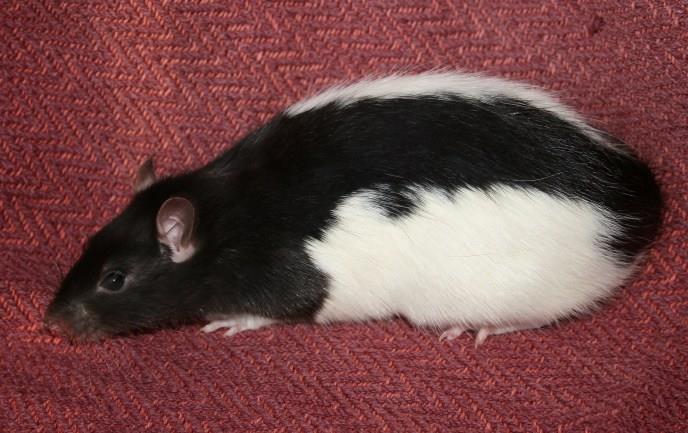
Hooded rats are domesticated pet rats with one of the most recognisable coat patterns going: coloured fur over the head and shoulders, a stripe running down the spine, and mostly white flanks and belly. They are legal to keep across Australia, they are clever and genuinely sociable, and they settle into hand-taming faster than most people expect. The word "hooded" describes markings, not a separate species or breed. What it comes with is a short life and a real need for company and clean air, so this guide covers what a healthy pet rat needs day to day and what to watch for as they age.1, 2
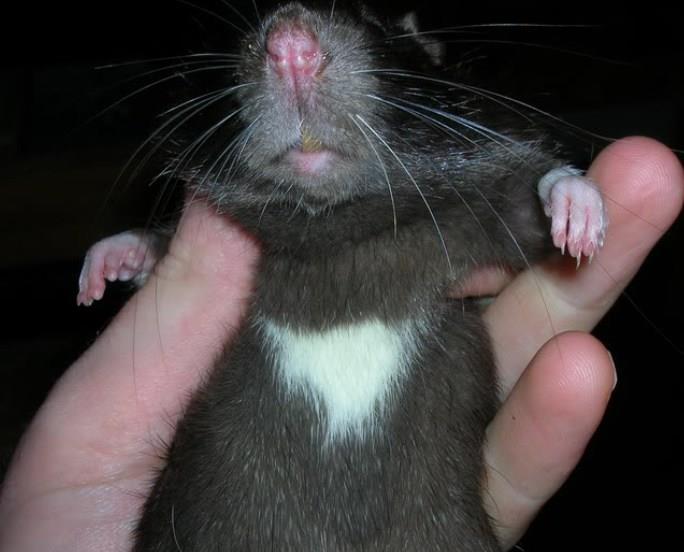
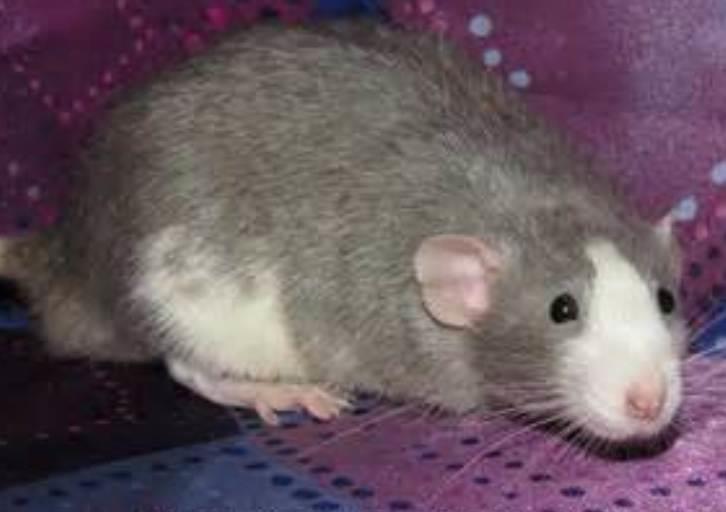
What is a hooded rat?
A hooded rat is a domesticated pet rat, the fancy rat, with a distinctive pattern: coloured fur over the head and shoulders that continues as a stripe along the spine, often toward the tail, while the sides and belly stay largely white.1, 2 Rat clubs and breeders describe related markings such as "capped" or "variegated". These are all still pet rats, just with colour spread differently across the body.1
Quick profile (typical pet rat)
- Size: commonly around 35 to 45 cm nose to tail.3
- Weight: often about 350 to 450 g for adult females and 450 to 650 g for adult males, with wide variation by genetics and body condition.4
- Life expectancy: typically about 2 to 3 years, sometimes up to around 4 with good care and a bit of luck.4, 5, 6
- Temperament: usually social, alert and interactive once settled and handled gently.3
Behaviour and social life
Rats are colony animals, so a single rat is a lonely rat. In a home that usually means keeping a same-sex companion or more, so they can sleep, groom and explore together in the quiet hours when you are busy elsewhere.4, 6 Many pet rats become confident with steady, calm handling. New arrivals can be skittish at first, and grabbing by the tail can cause injury, so support the body, keep your movements slow, and let the rat choose the pace of contact.3
Diet and nutrition
A reliable base diet matters more than variety. Most veterinary guides recommend a balanced, commercially prepared rat diet as the staple, with small amounts of fresh food as extras.3
- Staple: a quality pelleted or blocked rat diet designed to add up nutritionally across the week.3
- Extras: small serves of suitable vegetables and other fresh foods, introduced gradually, kept clean, and removed before they spoil.3
- Water: fresh water available at all times.3
Obesity is common in pet rats when high-calorie treats crowd out the staple diet or exercise space is limited. A trim rat moves more easily, breathes more comfortably, and copes better as it ages.3
Housing and environment
A good rat enclosure is tall enough for climbing, secure against escapes, and easy to clean. Many care guides suggest starting around 60 by 60 by 60 cm for a basic setup, but bigger is almost always better, especially for pairs or groups.3 Inside, aim for a layered landscape: platforms, hammocks, tunnels, hide boxes, and chew-safe enrichment. The idea is places to rest, places to move, and things to do.3
Ventilation and hygiene matter more than they look. Ammonia build-up from urine can irritate the airways, and rats are already prone to respiratory disease. Spot-clean often and do regular deeper cleans, without stripping the cage so aggressively that the rats feel constantly displaced.3, 7
Health: common problems and early warning signs
Respiratory disease is one of the most frequent reasons pet rats end up at an exotic or small-animal vet. Mycoplasma pulmonis is a well-known contributor, and symptoms can flare when housing conditions are poor or when other infections join in.7, 8
Signs that need prompt veterinary advice
- persistent sneezing, "snuffling", noisy breathing, or breathing with effort7, 8
- red staining around the eyes or nose (porphyrin discharge), especially with lethargy or weight loss7
- a new head tilt, loss of balance, or reluctance to climb7
- lumps (tumours are common in older rats), wounds that do not heal, or sudden changes in appetite and activity3
Because rat lifespans are short, small changes can move quickly. If something looks off for more than a day, or worsens rapidly, call a vet sooner rather than later.3, 5
Hygiene and human health
Like many animals, rats can carry germs that affect people. Good habits are usually enough: wash your hands after handling rats or cleaning the cage, keep their habitat and supplies out of food-prep areas, and supervise children closely.9, 10 If you are bitten, clean the wound promptly and seek medical advice if you develop symptoms or the wound becomes inflamed. Rat-bite fever is uncommon, but it is a recognised risk after rodent bites or close contact with contaminated materials.10
Breeding and reproduction (important basics)
Breeding is easy to underestimate. Rats mature quickly, and accidental litters happen when the sexes share a cage. Veterinary references note that males typically reach sexual maturity around 6 to 10 weeks and females around 8 to 12 weeks, so mixed litters need separating early.8 Gestation is short, about 21 to 23 days, and weaning is around 21 days. Females can fall pregnant again very soon after giving birth, which is one reason deliberate breeding should be planned carefully, with veterinary support and responsible rehoming in place.8
The bottom line
Hooded rats are not a different kind of rat so much as a different pattern on the same animal, the domesticated pet rat. Give them companionship, a clean and well-ventilated enclosure, a steady staple diet, and daily time out of the cage, and you will see what people mean when they call rats quietly brilliant: busy hands, quick learning, and a steady curiosity that does not need much fanfare.3, 4
References
- Wikipedia, Fancy rat (includes "hooded" marking description)
- American Fancy Rat and Mouse Association (AFRMA), One In A Million, The Hooded Rat
- PetMD, Rat Care Sheet
- AFRMA, Pet Rats & Mice: General Care
- Humane World for Animals, Is a rat the right pet for you?
- VCA Animal Hospitals, Owning Pet Rats
- University of Missouri College of Veterinary Medicine, Mycoplasma pulmonis (rats)
- Merck Veterinary Manual (Pet Owner Version), Breeding and Reproduction of Rats
- healthdirect (Australia), Keeping healthy and safe with pets and other animals
- US CDC, About Rat Bite Fever

Dog lover and writer at My Pets Australia, sharing practical breed guides and care advice for Australian pet owners.