Haflinger Pony
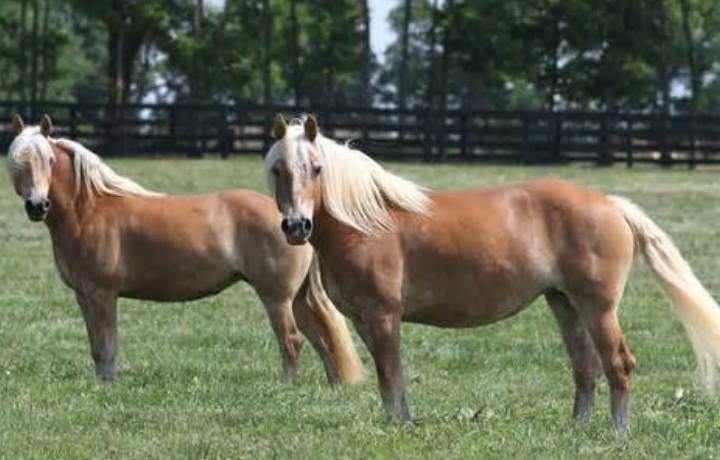
The Haflinger is a compact chestnut horse from the Tyrolean Alps, easy to spot by its pale flaxen mane and tail and its solid, deep-bodied build. It is the pony-sized horse people reach for when they want something small enough to be manageable but strong enough to carry an adult, stay calm on the trail, and turn its hoof to lessons, driving, or light farm work. Most are steady, willing, and sensible to handle. The one thing to plan for early is that this is a hardy easy keeper, which means it holds weight on very little feed. In Australia's rich grass seasons, that thriftiness is the main thing you manage.
History and Origin
The breed comes from South Tyrol, historically part of Austria-Hungary and today in northern Italy, in the area around the village of Hafling (Avelengo) that gives the horse its name. It was bred for a specific job: a small, sure-footed horse that could work in steep mountain country and cope with lean conditions. The modern Haflinger traces back to a single foundation stallion, 249 Folie, born in 1874 in South Tyrol. Breed organisations treat Folie as the starting point for today's registered lines, and over time the type was standardised into a recognised breed that spread well beyond the Alps as a versatile riding and driving horse.1, 2, 4
Appearance and Physical Characteristics
A Haflinger looks like it was built with purpose. The frame is tidy and deep through the girth, with strong hindquarters and the bone and muscle to suit pulling, carrying, and climbing. The coat is chestnut in shades from light to dark, paired with a pale flaxen mane and tail that is often thick and long.1, 4
Height often surprises first-time buyers. Many Haflingers sit comfortably in horse-sized gear, with breed standards commonly placing them around 13.2 to 14.3 hands (about 138 to 150 cm), though individuals vary and some are taller. They are often called ponies in casual use, but plenty are horse height.3, 4
Temperament and Personality
Haflingers have a reputation for being calm, willing horses with a practical, workmanlike way of going. Bred to be handled, harnessed, and asked to do steady jobs in difficult country, they often suit families and riders who want a horse that thinks before it leaps. Quiet does not mean automatic, though. A fit, well-fed Haflinger can be forward and strong, especially under saddle or in harness. As with any breed, early handling, consistent training, and appropriate feed make the biggest difference to what you feel at the end of the reins.
Is a Haflinger Right for You?
For a rider who wants one manageable, versatile horse, the Haflinger is a strong candidate. They show up under saddle and in harness and are still used where a compact, strong horse makes sense, with breed overviews commonly listing trail riding, endurance, dressage, show jumping at lower levels, driving, and therapeutic riding programs.1 They are at their best when the job matches the body: steady kilometres, hills, varied terrain, and tasks that reward balance and strength rather than flat-out speed.
If you are buying for children or beginners, look past the breed label and assess the individual horse's education, exposure, and fitness. A strong, compact horse with limited schooling can feel like a lot, even when it is kind. And like any horse, a Haflinger is a serious commitment of time, land, and money, so go in with the management plan already in mind.
Training and Exercise
Good Haflinger training is usually simple and unhurried. Keep sessions clear and consistent, reward the try, and avoid drilling. Many learn quickly and respond best when the rider is calm, organised, and fair. For work, they do well with steady, varied exercise: walking hills, longer hacks, poles, and low jumps. Regular exercise also helps maintain a healthy weight and supports metabolic health, which feeds directly into laminitis prevention for horses and ponies that are prone to it.6, 7
Health and Lifespan
The main health point with this breed is metabolic. Haflingers are commonly described as easy keepers, and easy keepers as a group are over-represented in metabolic problems. Equine metabolic syndrome (EMS) is linked with obesity and insulin dysregulation, and laminitis is a major potential consequence, sometimes the first sign that anything is wrong.6, 7
Red flags worth acting on early include:
- Repeated spring foot soreness, short stride, or reluctance to turn tightly
- A cresty neck that does not soften with exercise
- Fat pads around the tailhead or shoulders
- Rapid weight gain on pasture alone
Routine hoof care matters in any breed, but it matters more when laminitis is on the risk list. Keep regular farrier visits, watch for subtle changes in stance and stride, and treat a horse being "a bit footy" as information, not attitude. Dental care belongs on the list too. Regular dental checks, as advised by your vet or equine dentist, keep condition stable and feed use sensible in a horse already inclined to carry weight, and they make bitting and training more comfortable.
Diet and Nutrition
Feeding is where you either prevent trouble or cause it. Many Haflingers hold weight on surprisingly little feed. That thriftiness is useful in harsh environments, but in modern paddocks, and especially on rich Australian pasture, it can become a problem. Obesity is a key risk factor for EMS, and EMS is closely tied to laminitis risk.6, 7 Practical starting points for many easy keepers include:
- Base the diet on forage (hay and/or controlled grazing), not grain.
- Use pasture control during high-growth periods, for example strip grazing, yarding, a grazing muzzle, or limited turnout, whichever is safe and workable.
- Keep treats boring with low-sugar options, and avoid sweet feeds.
- Ask your vet about EMS or insulin testing if weight is hard to manage or you see regional fat deposits such as a cresty neck.6
Grooming and Care
The mane and tail can be abundant, and some individuals carry plenty of feathering. Regular grooming keeps mud and sweat from sitting against the skin for days, and it doubles as a health check: it is the easiest time to spot skin problems, fat pads, or hoof changes early.
A Few Things Worth Knowing
- The whole breed descends from one foundation stallion, 249 Folie, foaled in 1874.1
- They are often called ponies, but many stand at horse height and need horse-sized gear.3
- If you are buying, breeding, or competing, work with a recognised registry. In Australia, the Australian Haflinger Breeding & Sports Association (AHBSA) supports promotion, breeding, and registration, and states it follows the rules and standards of the World Haflinger federation.5, 8
The Bottom Line
The Haflinger is a small horse built for real work: a steady mover with enough strength to carry adults and enough versatility to stay interesting for years. Managed well, they are generous, sensible partners. Managed like a normal paddock horse with unlimited grass, they drift quietly into weight and hoof trouble. Keep them fit, keep the diet honest, and the mountain heritage does the rest.
References
- Wikipedia, Haflinger
- Suedtirolerland.it, The Haflinger horse (South Tyrol)
- Haflinger.net, Haflinger breed standard (summary)
- haflinger.eu, Haflinger horses (South Tyrol) and breed characteristics
- Australian Haflinger Breeding & Sports Association (AHBSA), Official site
- Michigan State University College of Veterinary Medicine, An Owner's Guide to Equine Metabolic Syndrome
- The Laminitis Site, Equine Metabolic Syndrome and insulin dysregulation
- World Haflinger Breeding and Sports Federation, Australia (AHBSA listing)
- Rare Breeds Trust of Australia, Haflinger (Australia history and notes)

Dog lover and writer at My Pets Australia, sharing practical breed guides and care advice for Australian pet owners.