Guinea pigs - Perhaps the best apartment pet
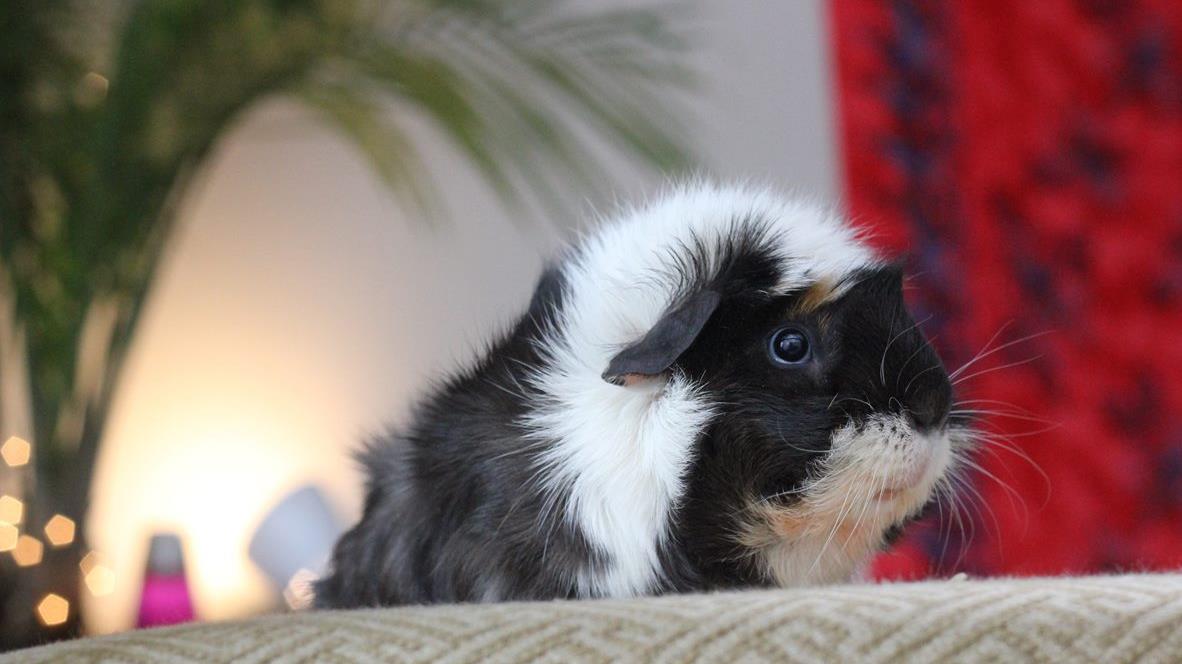
Guinea pigs are small, gentle, ground-dwelling grazers, and they are one of the easier pets to keep well in an apartment. They stay indoors, they do not need walks, and they spend most of the day eating, pottering about, and dozing. Their appeal is that they fit a small home without asking for much space of the wrong kind. The catch is simple: they need a big, clean floor footprint, fresh food every day, and steady temperatures. Get those right and apartment life suits them nicely.
Are guinea pigs good apartment pets?
Yes, for most people, they are. They are small, mostly quiet, and content to live their whole lives indoors. Their sounds come in short bursts, squeaks, chirps, and the familiar "wheek", rather than continuous noise, and they fill the day with eating, exploring, and resting. They are also highly social, so most do better with a compatible guinea pig companion than living alone, provided you have the space and can manage introductions sensibly.1
What apartment life asks of you
A guinea pig does not need a big house. It needs a big, clean footprint on the floor, stable temperatures, and fresh food every day. In an apartment, three things tend to trip people up.
- Space: a small "starter cage" is the most common welfare problem.
- Smell: usually a cleaning issue, not an inevitable guinea pig issue.
- Heat: guinea pigs are vulnerable to heat stress, so placement and ventilation matter more than people expect.2
Housing: the enclosure matters more than the room
Choose the largest enclosure you can reasonably fit, and prioritise usable floor area over height. Guinea pigs are not climbers. They are built for moving across the ground and ducking into cover.
Australian welfare guidance recommends a minimum of 2,500 cm² of usable floor space for a guinea pig over 450 g, plus 900 cm² for each additional guinea pig, with larger animals needing more. Bigger is better, especially for pairs.2
Flooring, bedding, and cleaning
- Avoid wire floors. Use a solid base to reduce foot and leg injuries.
- Use safe, absorbent bedding and change it often enough that the enclosure stays dry and low in odour.
- Provide shelters. At least one hide per guinea pig helps them feel secure and reduces stress during normal household noise.2, 3
Where to put the enclosure
- Keep them out of direct sun and away from heaters and hot kitchens.
- Aim for a quiet corner where they can watch the room without sitting in the traffic lane.
- Choose a spot with good airflow but no cold draughts.
Diet: the daily routine that keeps them well
Apartment guinea pigs thrive on the same core diet as any other: grass hay as the main food, a daily mix of leafy greens, and a small amount of quality guinea pig pellets if you use them.4, 5
Hay comes first
Hay should be available at all times. It supports digestion and helps wear down constantly growing teeth.4, 5
Vitamin C is not optional
Guinea pigs cannot make their own vitamin C, so it must come from food every day, often through capsicum and leafy greens. Deficiency can develop quickly if vitamin C is not provided consistently.4, 6
Pellets and treats
If you feed pellets, choose a guinea pig pellet and keep the portion small. Pellets should not replace hay. Fruit is best treated as an occasional extra rather than a daily staple.4, 5
Exercise and enrichment in a small home
In an apartment, movement is mostly built in through good enclosure design. A spacious layout encourages gentle roaming, foraging, and short bursts of speed.
- Hideouts and tunnels encourage natural exploring and retreat behaviour.
- Chew-safe items support dental wear alongside hay.
- Daily floor time in a secure playpen or a guinea pig-proofed area works well if you can supervise closely.
Skip exercise wheels and balls. Guinea pigs are not shaped for them, and the risk of injury is not worth it.
Health and veterinary care
Guinea pigs do need veterinary care, but they are not vaccinated against myxomatosis or rabbit haemorrhagic disease. Those are rabbit diseases, and rabbit vaccines are not part of standard guinea pig care. The real basics are nutrition, hygiene, temperature control, and early attention to signs of illness.6
Signs to take seriously
- Not eating, or eating much less than usual
- Laboured breathing, persistent sneezing, or nasal or eye discharge
- Diarrhoea or very soft droppings
- Lethargy, hunched posture, reluctance to move
- Sudden weight loss (a small kitchen scale is genuinely useful)
Because guinea pigs are small and their condition can change fast, it is worth finding an exotics-capable vet before you need one.
Social life: companionship without chaos
Guinea pigs are social animals, and many do best with a compatible companion, especially in an apartment where stimulation is limited to what you provide. If you keep more than one, make sure the enclosure is large enough and plan for careful introductions.
They should not be housed with rabbits. The two species have different needs, and rabbits can injure guinea pigs or pass on certain bacteria and parasites.2
Choosing and adopting a guinea pig
Look for a guinea pig that is bright-eyed, alert, and moving comfortably, with a clean nose and bottom. Ask what they are currently eating and keep the diet stable for the first week, changing it gradually as needed.
- Plan your enclosure and supplies before bringing them home.
- Adopt in pairs if possible, and if you can house them properly.
- Handle low to the ground at first. Guinea pigs can wriggle, and falls are a common cause of injury.
Final thoughts
Guinea pigs can be excellent apartment pets when their essentials are treated as non-negotiable: plenty of flat space, constant hay, daily vitamin C-rich foods, stable temperatures, and gentle handling. Get those right and apartment life becomes quiet, contained, and surprisingly lively, with small feet padding through tunnels, steady chewing, and soft calls when the fridge door opens.
References
- RSPCA Australia, Safe and happy guinea pigs
- RSPCA Australia, Safe and happy guinea pigs (space guidance, companionship, rabbits)
- RSPCA South Australia, Your questions answered: Guinea pig edition
- RSPCA Australia, How should I care for my guinea pig?
- RSPCA NSW, How to care for your guinea pig
- Merck Veterinary Manual, Guinea pigs (nutrition and vitamin C)
- RSPCA WA, Pocket pets (guinea pig care notes including heat stress)
- Agriculture Victoria, Code of practice: minimum housing standards (guinea pigs)

Dog lover and writer at My Pets Australia, sharing practical breed guides and care advice for Australian pet owners.