Green Aracari as a pet
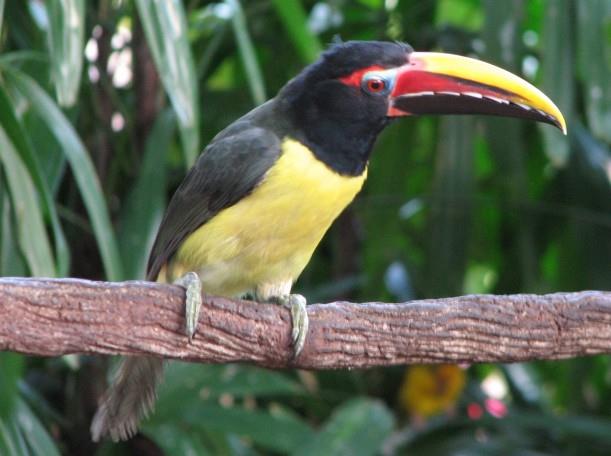
The green aracari (Pteroglossus viridis) is a small member of the toucan family, an active, quick-moving canopy bird with an outsized bill and a habit of foraging all day. They are visually striking and busy in a quiet, constant way, which is a big part of the appeal. In the right hands they can be hardy, but the margin for error is small, and this is not a beginner bird. Before you get attached to the idea, there is also a hard practical catch in Australia: keeping one here is tightly restricted, so legality comes first.1, 2
Can You Keep a Green Aracari in Australia?
Check the rules before you check the price. Importing live birds into Australia is tightly controlled and depends on species eligibility, permits, and biosecurity conditions. A bird that is not eligible under the Commonwealth live import framework cannot be legally imported, even if it is common overseas.5, 6, 7
Even for a bird already in the country, state and territory rules can still affect whether you can keep it, breed it, or move it across borders. If you are unsure, start with the Australian Government guidance on bringing in pet birds and the live import list requirements, then confirm your state or territory position in writing before making any plans or purchases.6, 7
Quick profile (at a glance)
- Scientific name: Pteroglossus viridis (green aracari)2
- Adult size: about 30 to 40 cm long2, 3
- Adult weight: roughly 110 to 160 g2, 3
- Activity pattern: diurnal (active by day)3
- Wild diet: mostly fruit, with insects and occasional animal prey or opportunistic items3, 4
- Lifespan: often a few years in the wild, and can reach the mid-teens (sometimes longer) in human care with excellent husbandry3
Natural Habitat and Behaviour
In the wild, green aracaris live in humid lowland forests in north-eastern South America, spending much of their time high in trees where fruit is abundant.3 They are small ramphastids built for canopy life: quick hops, short flights, constant curiosity, and long hours spent foraging and sampling whatever looks edible.3, 4
They tend to forage in small groups, moving through the canopy with frequent pauses to feed, preen, and watch. Nesting is in tree cavities, often existing hollows rather than excavated nests, which matters in captivity if you ever plan to provide breeding spaces or a retreat hollow for security.1
What They Are Like to Live With
Green aracaris are often described as social, but that does not automatically translate to cuddly. Many become calm and manageable with steady handling, predictable routines, and a low-stress environment, but they are still a wild species in captive care. Expect a bird that watches closely, tests boundaries with its bill, and learns patterns fast.
Noise level
They are not usually the loudest birds in aviculture, but quiet can be misleading. Their calls can be sharp and repetitive, and noise tends to rise with boredom, over-stimulation, or a bird kept alone without enough daily interaction.
Compatibility with children
Not recommended for young children. The bill is light compared with a large parrot's, but it is still a strong tool with serrated edges, designed to grip and manipulate food. Startle bites happen, and children often move too fast for a bird that relies on predictability.4
Diet and Feeding
This is where most pet problems begin. A green aracari's diet is fruit-heavy, but it should not be a bowl of supermarket fruit salad. In captivity, ramphastids are particularly prone to iron storage disease (haemochromatosis or haemosiderosis), a serious liver condition linked to diet and husbandry.1
What to aim for day to day
- A formulated softbill or ramphastid pellet designed to be low in iron, offered consistently rather than just as an option.1
- Fruit variety, with a bias towards lower-iron choices, and sensible portions so fruit does not crowd out the balanced diet.1, 3
- Protein extras in moderation (for example invertebrates), reflecting that wild birds do take insects alongside fruit.1, 3
- Fresh water daily, plus cleaning that keeps fruit residue from fermenting.
Foods to be cautious with
Some guidance for captive toucans and aracaris recommends limiting citrus and other high vitamin C or acidic foods, because they may increase iron absorption in a species already prone to iron storage problems. If you are feeding any special items (supplements, high-vitamin treats, unusual protein), do it with your avian vet's input rather than internet guesswork.1
Feeding rhythm
Two main feeds a day can work, but the real goal is steady intake and clean presentation. These birds are built to forage frequently, so scatter-feeding safe items, hiding pellets in foraging toys, and rotating produce can reduce boredom while keeping nutrition stable.
Housing and Enclosure Needs
Green aracaris are active, and they do best when the enclosure lets them move with purpose: short flights, climbing, hopping between stable perches, and choices about where to sit. Larger is always kinder, but tall is not a substitute for long.1
- Prioritise length for flight: a long aviary run is more valuable than extra height alone.
- Perches that make sense: natural branches of varied diameter, positioned to allow direct flights between them rather than just climbing.
- Hygiene-friendly surfaces: fruit splatter happens, so use materials you can scrub thoroughly.
- Weather and temperature: stable shelter from heat, cold winds, and rain, and no long spells in full sun.
- Cavity-style retreat: a suitable hollow, log, or nest-box style refuge can reduce stress, reflecting their cavity-nesting biology.1
Training and Socialisation
Training is mostly about cooperation, not tricks. A bird that steps up calmly, accepts brief restraint, and tolerates carrier time is a bird that can actually receive medical care when it matters. Keep sessions short, reward calm behaviour, and end early. These birds learn quickly, and they also learn what makes you back away.
Health and Veterinary Care
Find an avian veterinarian before you need one. Softbills can decline quickly once they stop eating, and the signs can be subtle until they are not.
Key risks to discuss with an avian vet
- Iron storage disease (diet-linked liver disease), and what a genuinely low-iron plan looks like in your household.1
- Diet mistakes, including inappropriate commercial diets. There are documented cases of iron storage disease associated with unsuitable feeding practices in captive birds.8
- Parasites and infections, especially if the bird's history is unknown.
Signs that should prompt a vet visit
- Reduced appetite, or only picking at favourite fruit
- Fluffed posture, sleeping more in daylight, or sitting low on the perch
- Breathing changes (tail bobbing, open-mouth breathing)
- Persistent diarrhoea or very watery droppings
- Sudden behaviour change (unusual aggression, unsteady movement)
Is a Green Aracari Right for You?
For most people in Australia, honestly, the legal barrier settles this before anything else does. A green aracari suits a household that can provide space, routine, and specialist care, and that has confirmed it can legally keep one. They are striking and busy, but they are not a beginner bird, and they do not thrive on fruit alone. The best-kept birds live in large, clean enclosures, eat a controlled low-iron diet, and see an avian vet as part of normal life rather than a last resort.1, 3
A Few Things Worth Knowing
- Size: most sources place adults at around 30 to 40 cm long.2, 3
- Noise: not at the extreme end of bird noise, but they can be vocal and the sound carries. Daily enrichment, space, and routine make a noticeable difference.
- Diet: mostly fruit in the wild, with insects and opportunistic items, and a low-iron softbill pellet plus chosen produce in captivity because of iron storage disease risk.1, 3, 4
- Lifespan: shorter in the wild, but well-kept birds in human care may reach the mid-teens, with occasional individuals recorded older.3
- Australia: eligibility depends on import conditions, permits, and state or territory rules. Check the Australian Government guidance first.5, 6, 7
The Bottom Line
The green aracari is a genuinely engaging bird, but it is a specialist commitment wrapped in a legal one. In Australia the first question is not how to care for it but whether you can lawfully keep it at all, and that depends on strict import and state rules you need to confirm in writing. If you can clear that hurdle, plan for a large enclosure, a careful low-iron diet, and an avian vet on speed dial from day one.1, 6
References
- Association of Avian Veterinarians (AAV), Special Considerations for a Special Species: Housing Toucans
- Green aracari (Pteroglossus viridis), species overview
- Los Angeles Zoo, Green Aracari fact sheet
- St. Augustine Alligator Farm Zoological Park, Green Aracari species information
- Australian Border Force, Importing animals (overview and permit responsibilities)
- Australian Government, Department of Agriculture, Fisheries and Forestry, Importing your pet bird
- Australian Government, DCCEEW, Wildlife trade permits: Do I need a permit?
- PubMed, Iron storage disease in captive parrots exposed to an inappropriate (carnivorous) diet (case report)

Dog lover and writer at My Pets Australia, sharing practical breed guides and care advice for Australian pet owners.