Gotland Pony
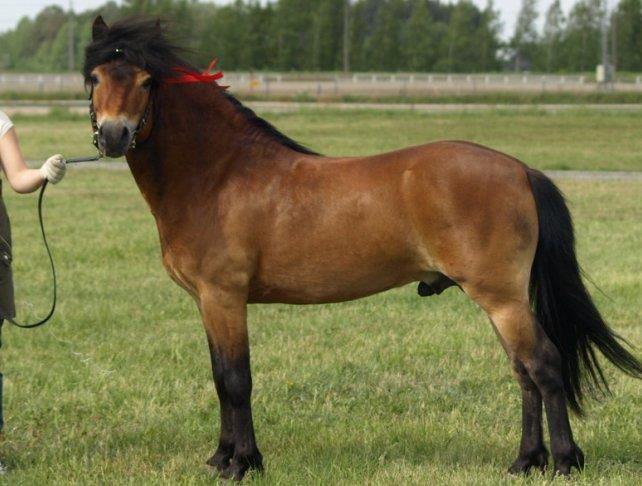
The Gotlandsruss, usually called the Gotland Pony, is Sweden's only native pony breed, shaped over many generations on the Baltic island of Gotland. It is small, hardy and unusually versatile for its size, at home teaching a child to steer, stepping out in harness, or covering ground with a tidy, efficient trot. Bred in open country on lean grazing, it carries a dense winter coat, hard hooves and a sure-footed, athletic way of moving. It is also a genuine all-rounder rather than a one-job pony. If you are trying to identify one or work out whether it suits a child, a small adult or a driving home, the details below are worth reading before you rely on a colour list or a flattering photo.
History and Origin
The Gotland Pony is the only pony breed indigenous to Sweden, shaped by generations of living on Gotland where winters are hard and grazing can be sparse.1, 2 For long stretches of its history it lived in a free-ranging or semi-feral way, which helps explain the breed's thriftiness, dense winter coat and sure-footed movement.
Modern conservation and breeding have been closely tied to Swedish breed organisations and managed herds on Gotland. Researchers describe the breed as having a long period of free roaming on the island, with numbers later falling sharply as land use changed. The ponies were subsequently protected through organised breeding and managed ranges.6
Appearance and Physical Characteristics
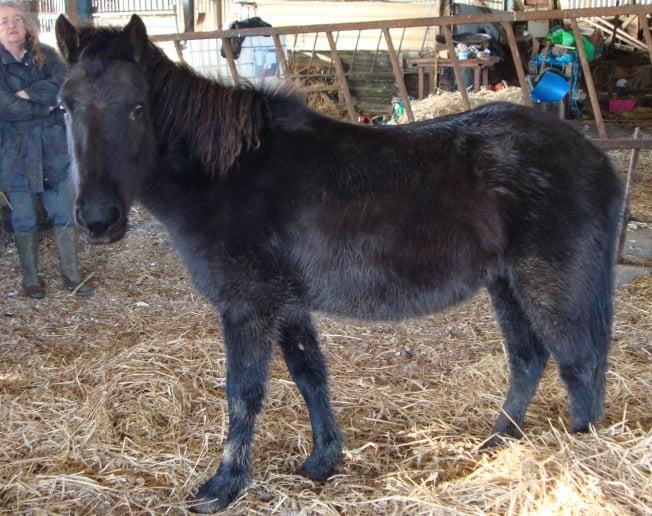
A Gotland Pony is compact without being dumpy: a small head, a strong neck set into a well-developed body, and legs built to travel over uneven ground. The Swedish breed standard emphasises a harmonious, well-proportioned pony with energetic, rhythmical movement and good horn quality in the hooves.3
Height is commonly misstated online. The Swedish standard places the breed at 115 to 130 cm at the withers (about 11.1 to 12.3 hands), with an ideal around the mid-120s and specific limits for youngstock in the studbook system.3, 4
Colour is another point where quick lists go wrong. Many sources describe the Gotland as "any colour", but the official standard is more specific: it allows many colours while excluding several, including grey and certain dilution and pattern combinations.3 If colour matters to you for showing, breeding, or simply to confirm an identification, check a current standard rather than a general pet-breed profile.
Temperament and Personality
Most Gotland Ponies are practical, steady ponies that do well in busy family settings when they are handled regularly and kept in a clear routine.1, 6 They tend to be alert and responsive rather than dull, which is part of their appeal both in harness and under saddle.
Like any pony, they can become pushy if they learn that small behaviours (dragging to grass, leaning on the lead, ignoring light aids) go uncorrected. Quiet consistency, not force, is what shapes a sensible Gotland.
Is a Gotland Pony Right for You?
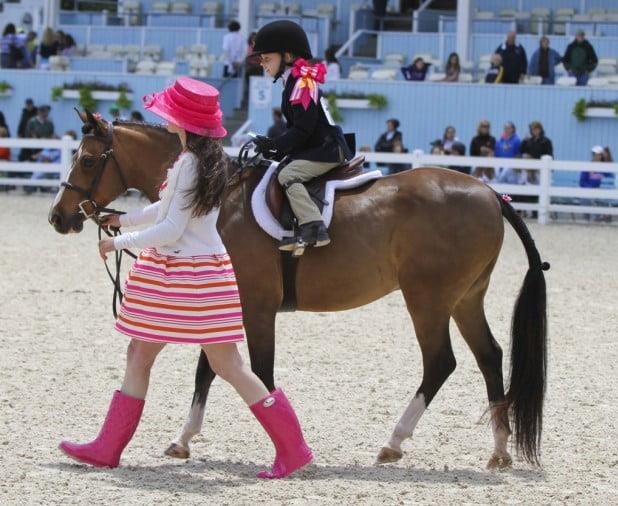
For the right home, this is one of the more forgiving small ponies you can choose. In Sweden the breed is particularly associated with pony trotting, alongside its everyday role as a children's and family pony.5, 1 Common uses include:
- Riding: lead-line, learning to ride, and capable small-pony performance with the right training.
- Driving: pleasure driving and club competition, thanks to their forward, economical movement.
- Therapy and education programs: often chosen for steadiness and size, where suitability is assessed pony by pony.
Be honest about the size and the workload before you buy. A pony that looks compact in a photo can still be too fine-boned, too forward, or simply too small for the job you have in mind. Let height, hoof quality and the temperament you see in the flesh guide the decision.
Training and Exercise
Gotland Ponies are typically quick to learn patterns, good and bad, so it is worth making the early lessons calm and exact. Start with the basics: leading politely, standing tied, picking up feet, and accepting grooming all over.
Under saddle or in harness, keep sessions short enough that the pony stays soft and forward. Repetition is useful, drilling is not. A Gotland that is handled quietly and consistently tends to stay that way.
Diet and Nutrition
Gotland Ponies are often "easy keepers", which can be a trap in lush Australian paddocks. Aim for steady body condition, plenty of movement, and a feeding plan that suits the season and the workload. As a baseline, Victorian guidance suggests total feed in the order of 1 to 2 kg per 100 kg bodyweight per day, adjusted for pasture availability and work.7
- Roughage first: good pasture and hay form the base of most diets, with concentrates added only when needed for condition or work.8
- Fresh water always: clean, reliable water access is non-negotiable, and hot weather or exercise can drive intake sharply higher.7, 8
- Salt access: a salt lick or mineral block is commonly recommended in paddocks, alongside veterinary advice for individual needs.7, 8
Health and Lifespan
The breed's thriftiness is its strength and its risk: easy keepers hold weight readily, so the main health job is keeping condition steady rather than letting rich pasture do the work. Even with naturally tough feet, hooves still need regular farrier attention, especially if the pony is in work, on mixed footing, or prone to flare and chipping. Keep an eye on coat condition, parasites and teeth, since feed changes and seasonal shifts show up quickly in ponies.
A Few Things Worth Knowing
- Other names: Gotlandsruss and Gotland Russ all refer to the same breed.2
- It is the only pony breed indigenous to Sweden, from the Baltic island of Gotland.1, 2
- Do not confuse it with the Florida Cracker Horse, a separate American breed with its own history and type. The two get muddled online mainly through loosely labelled photos or "rare breed" lists that stitch unrelated breeds together.3, 4
The Bottom Line
The Gotland Pony is small, sturdy and unusually versatile for its size, equally at home teaching a child to steer, stepping out in harness, or covering ground with that tidy, efficient trot. It is an easy keeper that still needs a clear feeding plan, regular farrier work and consistent handling. If you are choosing one, let height, hoof quality and temperament in the flesh guide you more than a colour list or a flattering photo.
References
- NordGen, Gotland Pony (Gotlandsruss)
- Wikipedia, Gotland Russ (overview and naming)
- Svenska Russavelsföreningen, Rasstandard (Gotlandsrusset breed standard)
- PetMD, Gotland (breed profile and general height range)
- Svenska Russavelsföreningen, Gotlandsrusset (breed notes and pony trotting)
- Cambridge Core (Animal Welfare), Welfare of extensively managed Swedish Gotland ponies
- Agriculture Victoria, Basic horse care
- NSW DPI, Caring for horses

Dog lover and writer at My Pets Australia, sharing practical breed guides and care advice for Australian pet owners.