General Fish Afflictions
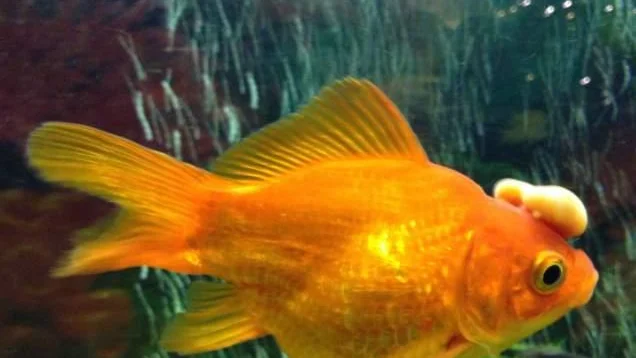
Most fish problems announce themselves before they turn serious: a fish flashing against the décor, a frayed fin edge, a dusting of white specks, or a sudden refusal to eat. Caught early, a lot of these afflictions are manageable at home, and the fixes are often about the tank rather than the medicine cabinet. The catch is that they can move fast, and guessing wrong can cost fish or trigger a slow, stubborn outbreak through the whole system. This is a symptom-first guide to the common afflictions seen in home aquariums and garden ponds, what they tend to look like, what usually sets them up, and what to do first while you organise proper diagnosis and treatment.
What "fish disease" labels actually tell you
Most of the familiar names describe what you can see, not what is causing it. "Fin rot", "dropsy" and "pop-eye" are outward signs, and the same sign can come from bacteria, parasites, water-quality stress, or injury. You often cannot confirm the agent without experience and a microscope.1
If fish are dying, if you are seeing ulcers or bleeding, or if you keep repeating treatments without improvement, it is worth involving an aquatic vet or a state laboratory for advice, especially where a serious notifiable disease is possible.2
Quick triage: the first hour
Before you treat anything, steady the environment. Most of these steps help no matter what the actual cause turns out to be.
- Check water quality first. Poor water can cause illness directly and also makes infections far more likely to take hold.3, 4
- Stop feeding for 24 hours if fish are stressed or water is suspect. Excess food quickly becomes waste and worsens ammonia issues.1
- Increase aeration. Many problems worsen when oxygen is low, and ammonia is more toxic under low-oxygen conditions.4, 5
- Isolate obvious cases if you can. A simple hospital tank reduces spread and lets you treat without medicating the whole system.1
- Do not mix medications "just in case". Some treatments interact, and many are stressful or toxic at the wrong dose (copper is a common example). Use one approach at a time, targeted to the most likely cause.6
Environmental stress: the quiet driver behind most outbreaks
In home systems, disease usually follows a stress event rather than arriving out of nowhere. A new fish added without quarantine, a filter failure, overfeeding, overcrowding, a sudden temperature change, or a forgotten water change will all do it. Stress weakens fish and gives opportunistic bacteria and parasites an opening.7
Why ammonia matters so much
Ammonia exists as un-ionised ammonia (NH3) and ammonium (NH4+). The un-ionised form, NH3, is the more toxic one, and its proportion rises as pH and temperature rise. Low oxygen can also make ammonia more harmful.4, 5
Common bacterial problems
Bacterial disease is usually opportunistic, taking hold when something else has already gone wrong. It is frequently linked with crowding, poor water quality, organic build-up, handling and transport stress, temperature swings, and low dissolved oxygen. Outbreaks are more likely in dense populations.7
What it can look like
- Reddening and haemorrhage in fins or skin
- Ulcers that deepen over time
- Fraying or erosion of fins (a "fin rot" look), often after damage
- Rapid decline where multiple fish become unwell
Several bacteria can produce a similar "haemorrhagic septicaemia" pattern, including Aeromonas and Pseudomonas in freshwater and Vibrio in marine systems. Diagnosis is by culture, and where antibiotics are considered, sensitivity testing is recommended.7
What helps before you reach for antibiotics
- Remove the trigger. Correct water quality, reduce organic loading, stabilise temperature, improve aeration.7
- Separate affected fish to reduce spread and to monitor feeding and breathing closely.1
- Seek veterinary direction if fish are dying or ulcers are progressing. Bacterial disease is often over-treated with the wrong product, too late, or without fixing the underlying stressor.7
Parasitic afflictions
Parasites are common in ornamental fish systems. One of the best known is "ich", or white spot, caused by the protozoan Ichthyophthirius multifiliis.1
Ich (white spot): what to look for
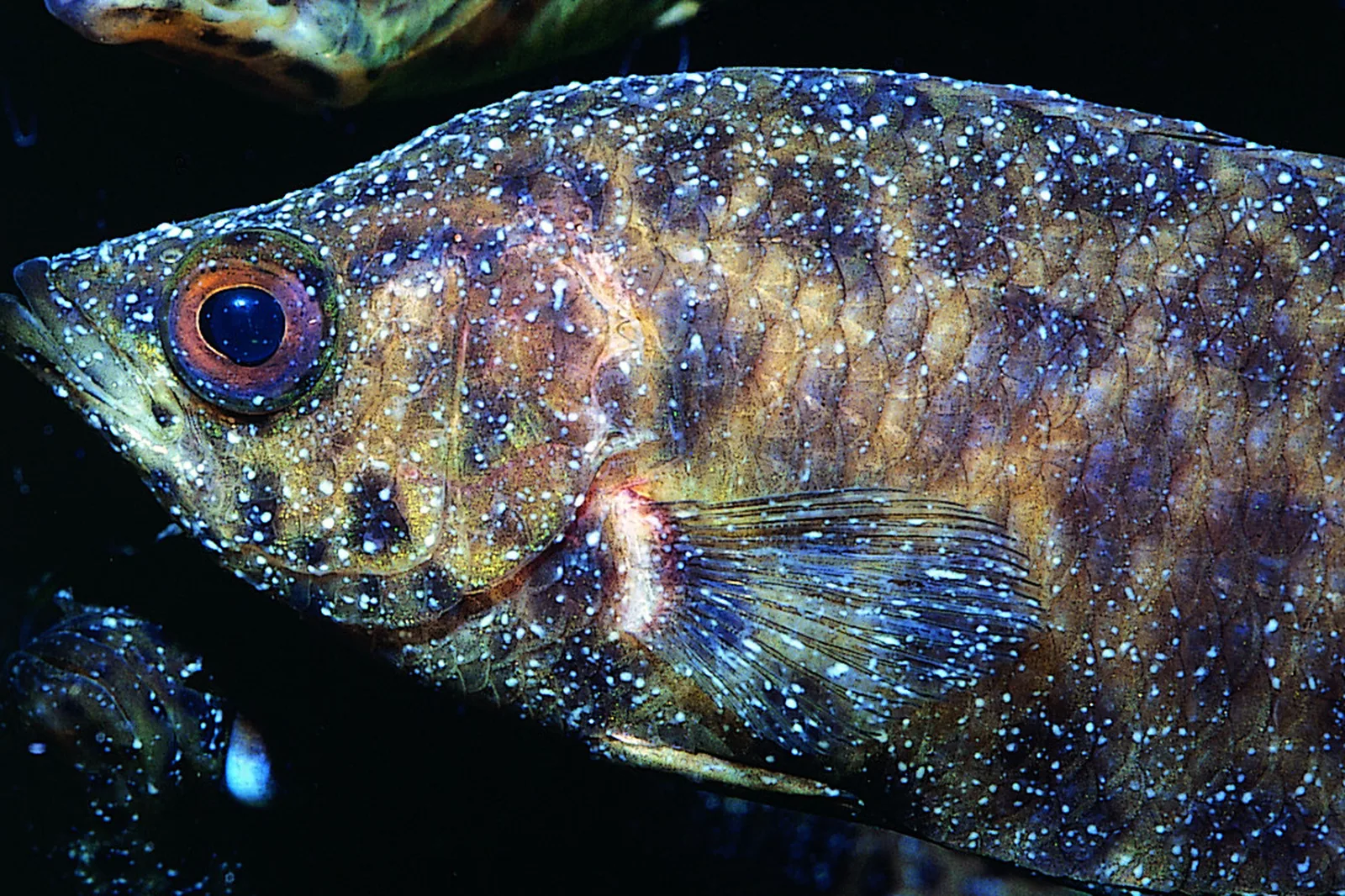
The classic sign is small white spots on the body or fins, like grains of salt. Fish may flash, clamp their fins, or show increased mucus and reduced activity before obvious spots appear. If the parasite is mainly in the gills, you may see heavy breathing and sudden deaths without clear white specks on the skin.8
Treatment notes
Many parasite treatments are effective only at certain stages of the parasite's life cycle, so timing and repetition matter. Medications containing copper are used against some parasites, but copper can be dangerous at the wrong dose and is not suitable for every setup, especially with sensitive species and invertebrates. Follow label directions precisely and consider a hospital tank where possible.6
Fungal and "cotton wool" growths
True fungal infections and water moulds can appear as white to grey cottony growth on skin, fins, or eggs. They are often secondary, showing up on damaged tissue after injury, chronic stress, or another disease process has already started.

Because the look overlaps with other conditions, it is worth treating "cottony" growth as a prompt to check water quality, look for injury, and review recent stress events, rather than assuming a single cause from appearance alone.1
Viral diseases: less common, higher consequence
Viral diseases are not usually something you can confirm by eye. Some have serious consequences and are managed by biosecurity practices rather than home treatment. If you suspect a serious or unusual disease pattern, especially sudden high mortality, severe gill damage, or repeated outbreaks, get veterinary or laboratory advice and avoid moving fish, plants, or water between systems.2

Prevention that actually works
Nearly all of the afflictions above are cheaper to prevent than to treat, and prevention comes down to a stable system and careful habits.
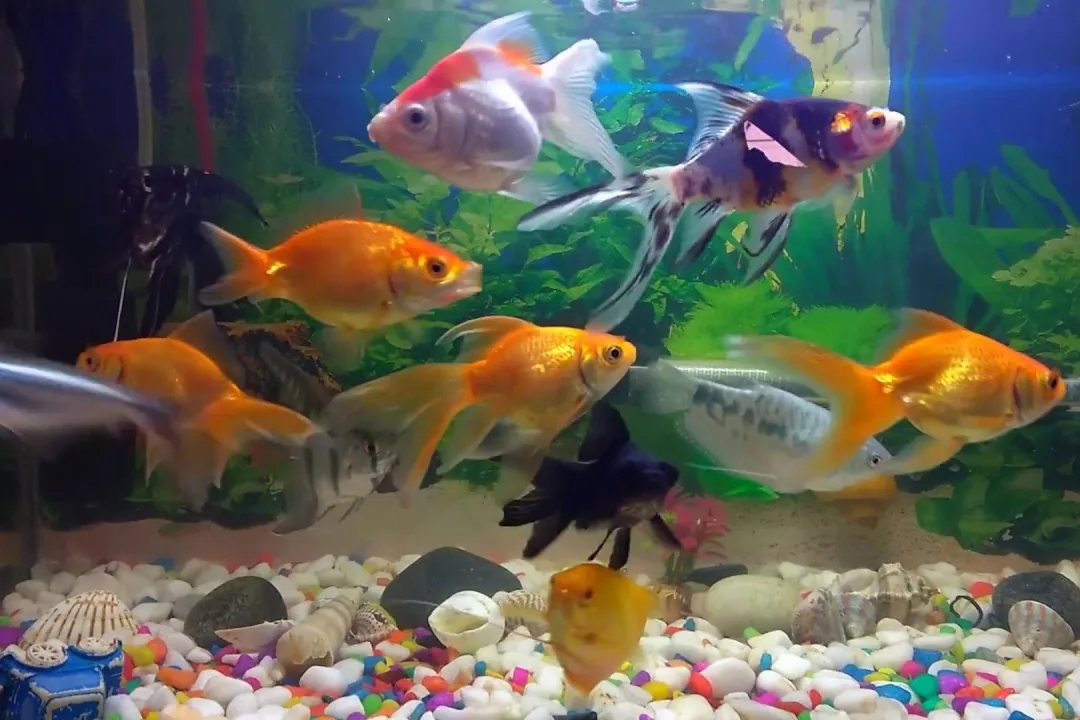
Keep the system stable
- Do not overcrowd. Crowding increases pollution and stress, and disease spreads more easily.1, 7
- Do not overfeed. Feed only what fish will consume quickly. Excess becomes waste and destabilises water quality.1
- Do regular maintenance. Partial water changes help keep waste from building up. Treat tap water appropriately for your area.1
Quarantine and biosecurity habits
- Quarantine new fish where possible. It is one of the simplest ways to avoid importing parasites and infections into an established tank.7
- Do not release aquarium fish or water into waterways or drains. This can spread disease and create environmental harm. Dispose of fish and water responsibly.2
Treatments: use a narrow beam, not a floodlight
When treatment is needed, match it to the most likely cause and to your setup: freshwater versus marine, the presence of invertebrates, sensitive species, planted tanks. Follow product directions exactly, and treat in a separate tank when practical to reduce stress on healthy fish and avoid damaging filtration.6

Be wary of "natural remedies" like vinegar or garlic as primary treatments. They may change water chemistry or feeding behaviour, but they are not a substitute for diagnosis, stable water, and evidence-based medications when an infection is established.
When to get help quickly
Some patterns are past the point of home tinkering. Treat these as potentially serious until proven otherwise.
- Multiple fish deteriorate over 24 to 48 hours
- Open ulcers, bleeding, or rapid fin and skin erosion
- Severe breathing distress (gill involvement) or sudden deaths
- Repeated outbreaks despite "doing everything right"
In these cases, involve a veterinarian or relevant state laboratory.2
References
- NSW Department of Primary Industries: Caring for your pet fish (diseases, husbandry, quarantine and disposal)
- Australian Government Department of Agriculture, Fisheries and Forestry: How you can protect Australia's aquatic animal health
- Australian & New Zealand Guidelines for Fresh and Marine Water Quality: Ammonia in freshwater and marine water
- Australian Government DCCEEW (NPI): Ammonia (total) fact sheet (toxicity and influence of pH/oxygen)
- NHMRC: Australian Drinking Water Guidelines, Ammonia (chemistry and forms in water)
- Australian Government DAFF: Approved chemicals for ornamental fish (quarantine treatments and compliance)
- Merck Veterinary Manual (Professional): Bacterial diseases of fish (predisposing factors, signs, diagnosis and treatment principles)
- University of Florida IFAS Extension: Ichthyophthirius multifiliis (White Spot) infections in fish (signs and presentation, including gill-only cases)

Dog lover and writer at My Pets Australia, sharing practical breed guides and care advice for Australian pet owners.