Galiceno Pony / Galiceno Horse
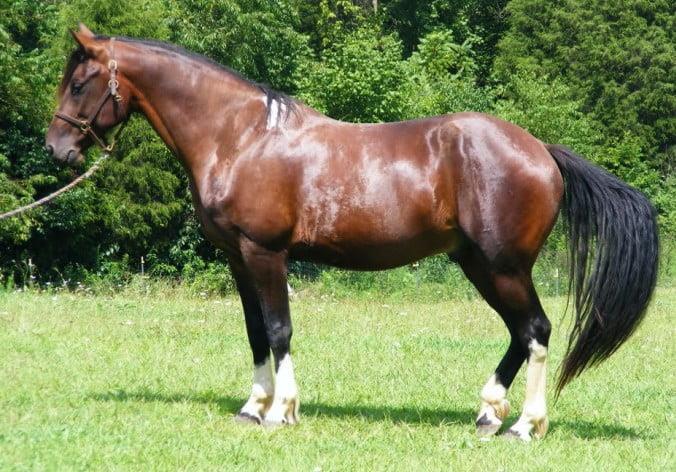
The Galiceño is a small, tough horse developed in Mexico from Iberian stock that arrived in the Americas in the early 1500s.1, 2 It is compact, agile, strong for its size, and calm enough that it has long been trusted with children. It is also one of the rarest breeds on the continent, listed as "Critical" by The Livestock Conservancy in the United States.4 Standing around 12 to 13.2 hands, it sits in the grey zone where people argue over "pony" or "horse", though most breed authorities call it a horse.1, 4 For Australian readers this is a breed to understand rather than shop for, because it is scarce even in North America and effectively absent here.
History and Origin
The Galiceño traces back to small Iberian horses brought over during Spanish exploration and colonisation, including horses associated with Hernán Cortés and his 1519 invasion of Mexico.1, 2 The story that follows is a familiar one: some of those horses escaped or were released, and across centuries of local use and natural selection a distinct, hardy type emerged in Mexico.1, 4 The breed's name nods to Spain's Galicia region, but the Galiceño is not the same animal as the Galician Pony of north-west Spain. The Galician Pony is a separate breed, cited as one contributor to the later development of the Galiceño.2, 5 The first deliberate imports to the United States are commonly dated to 1958, with a US registry following soon after.1, 2
Appearance and Physical Characteristics
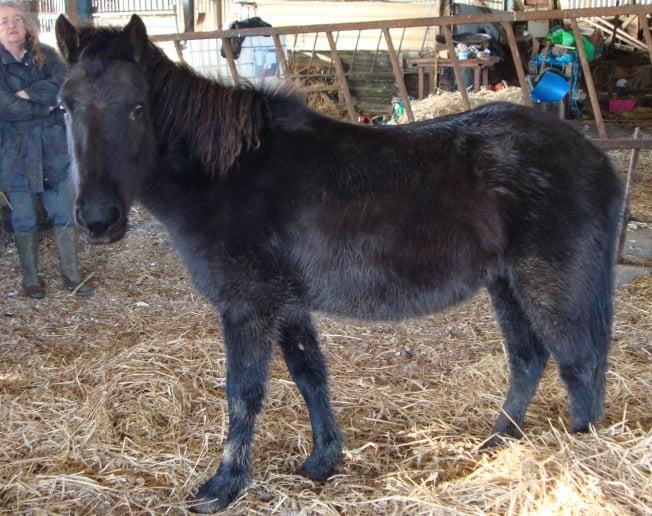
Most Galiceños mature at around 12 to 13.2 hands, with some sources extending the range to roughly 14.1 hands.2, 3 Typical weight runs from about 280 to 340 kg (roughly 620 to 750 lb), and some breed summaries list a broader guide of 600 to 800 lb.1, 4 The build is compact and workmanlike: a short back, strong legs, small tough feet, and a head that reads refined rather than coarse, often described as straight to slightly convex in profile.1, 2 Colour is usually solid, with bay, black and chestnut among the common shades. US registry guidance does not accept pinto patterns.1, 2
Temperament and Personality
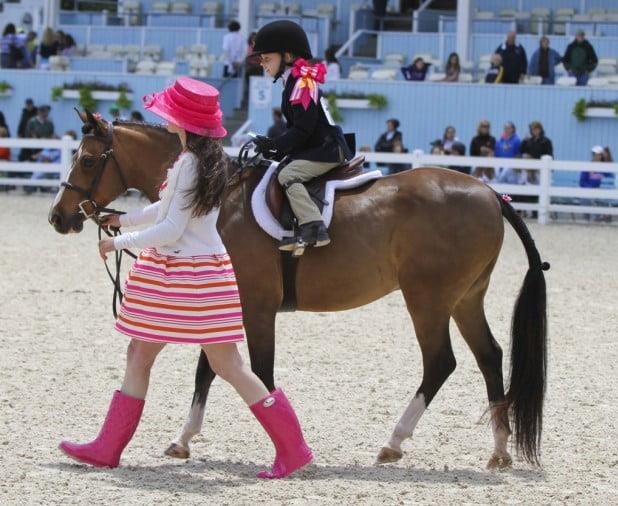
Owners tend to describe the Galiceño as gentle, willing and easy to handle, with a bright, alert nature that responds well to clear, consistent training.2, 4 Its size and steadier disposition are the reasons it is so often recommended as a sensible mount for children.2, 3 That calm does not make it dull. There is enough stamina and forward "go" to keep the horse interesting when it is asked to work.2, 3
Is a Galiceño Right for You?
On paper the Galiceño is an appealing all-rounder, and its history bears that out. In Mexico it has long served as a general small horse for riding, packing, and light draught or farm tasks.1 In the United States it is often seen as a youth mount and in practical performance settings, where quick feet and a tidy turn matter more than height.1, 2 Typical uses include:
- Trail and all-day riding: frequently described as strong for its size, with good endurance.1, 2
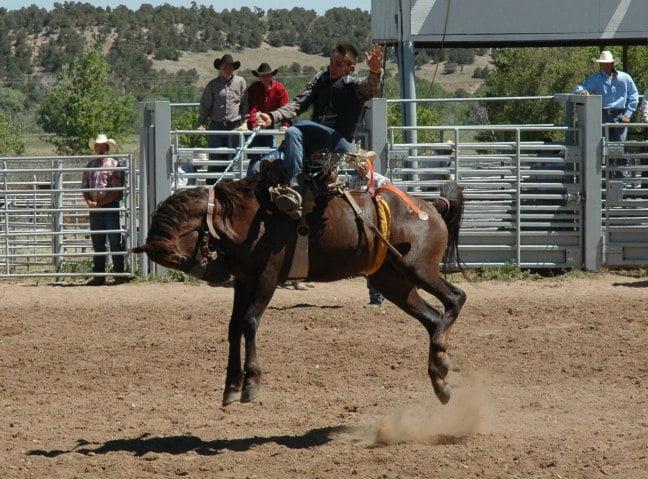
- Western and timed events: noted for agility, and commonly mentioned in reining and timed work.1, 2
- Jumping and pony classes for youth: sometimes used as a jumper mount for younger competitors.1, 4
The honest complication for an Australian buyer is supply. The breed is rare in North America and effectively not present here, so for most people in Australia this is a horse to admire rather than one you can realistically find. If a suitable, well-matched individual ever did come up, the priority is the animal in front of you, not the label on it: judge height, bone, training and temperament, then match that to the rider and the job.
Training and Exercise
Day-to-day management looks much like that of any small, hardy horse: good forage, steady conditioning, and routine hoof and dental work. The main thing that changes with a smaller horse is the margin for error, because they can put weight on quickly if pasture is rich and feed is not matched to workload.
- Fitness: build work up slowly. A naturally tough horse can still be over-faced if it is asked to do too much too soon.
- Hooves: keep trims regular. Compact feet still need consistent balance and monitoring for cracks or soreness.
Health and Lifespan
There are no widely cited, breed-specific diseases that define the Galiceño in the way some modern breeds carry well-known inherited conditions. Most references describe the breed as generally hardy.2, 3 Hardy is not bulletproof, though. Soundness still depends on sensible management, an appropriate workload, and careful breeding decisions, which matters all the more in a rare breed with a small population base.4
Diet and Nutrition
Base the ration on forage, meaning pasture or hay, and add hard feed only when workload or condition genuinely calls for it. Small hardy horses are prone to gaining condition on good grazing, so the safest approach is to match feed to the work being done and monitor weight rather than feeding by habit.
A Few Things Worth Knowing
- The Galiceño is considered rare in North America, and The Livestock Conservancy lists it as "Critical", which highlights the need for active breeding and stewardship to keep the population viable.4
- In the United States the long-running breed body is the Galiceño Horse Breeders Association, which supports registration and breed continuity.2, 6
- The name is often written without the tilde, as Galiceno, and is regularly confused with Spain's separate Galician Pony.2, 5
The Bottom Line
The Galiceño is a small, steady-bodied horse shaped by rough country and practical use: compact, agile, and often calm enough for a family setting. Its scarcity means most Australians will never own one, so the value here is in understanding the breed rather than seeking it out. If you ever do meet one, look past the "pony or horse" argument and judge the individual on height, bone, training and temperament.
References
- Galiceno (breed overview), Wikipedia
- Galiceño Horses, Oklahoma State University, Department of Animal & Food Sciences
- Galiceno, PetMD
- Galiceno Horse (status, breed facts), The Livestock Conservancy
- Galician Pony, Oklahoma State University, Department of Animal & Food Sciences
- Galiceño Horse Breeders Association, Official site

Dog lover and writer at My Pets Australia, sharing practical breed guides and care advice for Australian pet owners.