Fleuve horse
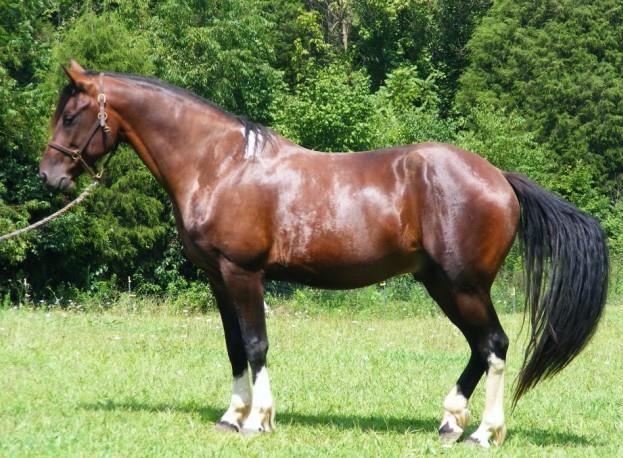
The Fleuve is a recognised riding horse from Senegal in West Africa, named after the Senegal River. It is a light, energetic saddle horse, often grey, and it has a real place in Senegalese racing and everyday riding. Most people who search for it, though, are just trying to work out whether it is even a genuine breed, because a lot of what circulates online about the Fleuve is invented. This guide sorts the real breed from the myths. It is not an Australian breed, and several of the popular claims about it do not hold up.1, 2
What the Fleuve Is (and What It Isn't)
The Fleuve is a Senegalese riding horse. The name comes from French, meaning a large river, and refers to the Senegal River region.1
It is not a breed from a "Fleuve region of Australia". There is no credible evidence for an early-1700s import to Australia, nor for the Boer War and World War I military service that some drafts describe. Claims of French war-horse origins, a global population of exactly 500, and famous Olympic Fleuve horses do not stand up to scrutiny either.1, 2, 6
History and Origin
Documentation on the earliest origins of horses in Senegal is limited. The Fleuve is generally described as deriving from Sahel-type horses from regions to the north, in modern-day Mauritania and Mali, with deeper ancestry linked to Barb-type horses from North Africa.1
Within Senegal, the Fleuve sits alongside three other recognised local breeds and types: the M'Bayar, the M'Par, and the Foutanke.1, 3, 4
Appearance and Size
Descriptions vary by source and by the quality of the individual horse. The Fleuve is commonly described as a well-made horse with a fine head and slender legs, often grey in colour, standing at or above about 1.44 m, which is roughly 14.1 hands.1
The often-repeated weight range of 450 to 600 kg is not well supported for this breed in reputable references and is likely overstated for many Fleuve horses. Some sources put adult weights closer to the mid-300 kg range, which fits a lighter riding type rather than a heavy sporthorse build.1, 2
Temperament and Way of Going
Breed summaries commonly describe the Fleuve as energetic, with lively gaits.1
Temperament remains an individual matter. Handling, diet, routine, pain (especially in the feet and teeth), and the rider's skill shape what you actually experience far more than any label on a page.
What the Fleuve Is Used For
In Senegal, horses carry real social and economic weight. The Fleuve is used as a saddle horse and for racing, and it has also been used in cross-breeding.1
Some drafts list dressage, jumping, and hunting as standard uses. Individual horses may be trained across a wide range of riding activities, but there is no strong evidence that the Fleuve is widely established internationally as a specialist sporthorse breed in those disciplines. The breed's closest link is to the Foutanke, also spelled Fouta, which results from crosses between Fleuve stallions and M'Bayar mares and is valued for racing.4, 5
Health and Everyday Care
Even a breed described as hardy runs into trouble in the same familiar places: feet, teeth, parasites, and nutrition. The care that prevents most of it is quiet, repetitive, and effective.
Hooves
Regular farrier care keeps the hoof balanced and helps prevent cracks, soreness, and lameness. A common guide is trimming every 6 to 8 weeks, adjusted to the individual horse and the ground underfoot.7
Teeth
Horse teeth erupt continuously and often need routine checks and floating, which means smoothing sharp enamel points. Many authorities recommend at least an annual dental check for adult horses, with more frequent attention for young horses during the changeover to permanent teeth and for older horses as wear patterns change.7, 8, 9
Vet Checks, Vaccination, and Parasites
Plan on at least a yearly veterinary check for adult horses, and more often for seniors or horses with ongoing issues. Set vaccination and parasite control schedules with a vet, matched to your region, workload, and exposure risk.10
Feeding and Water
Most horses do best on a forage-first diet of pasture and hay, with hard feed added only to meet a clear need such as workload, growth, lactation, or a poor-doer. Clean water should be available at all times.7
Population and "Rare Breed" Claims
You will often see a global population figure of 500 quoted for the Fleuve. Credible summaries note that breed-specific population figures are not consistently reported, and international bodies have previously lacked the data to estimate its conservation status. Treat precise headcounts you find online with caution unless they come from an official registry or a recognised livestock database.1
Correcting the Famous-Horse Claims
The best-known "famous Fleuve" examples fall apart on checking. Pierre Durand's celebrated Olympic partner was Jappeloup, a showjumper, not a "Fleuve mare" named La Sorella, and claims about a Fleuve stallion called Prince Noir winning the Grand Prix de Paris in 1970 are not supported by reputable, verifiable records.6
If you are researching performance bloodlines, keep breed separate from individual. Excellent horses emerge from many types, but any named champion should be traceable through official competition databases and studbooks.
References
- Wikipedia, Fleuve (horse breed) overview
- HorseBreedsPictures.com, Fleuve horse (Senegal) summary page
- Wikipedia, M'Bayar (Senegalese horse breed)
- Wikipedia, Foutanke (Senegalese horse type)
- Wikipedia, M'Par (Senegalese horse breed)
- World of Showjumping, interview with Pierre Durand (context on Jappeloup and competition history)
- Agriculture Victoria, Basic horse care (feet, teeth, worming, vaccinations)
- Merck Veterinary Manual (Horse Owner), Dental, coat, and hoof care of horses
- Merck Veterinary Manual (Horse Owner), Dental disorders of horses (preventive care guidance)
- Merck Veterinary Manual (Horse Owner), Routine health care of horses

Dog lover and writer at My Pets Australia, sharing practical breed guides and care advice for Australian pet owners.