Fish Tank Water Quality in a New Aquarium
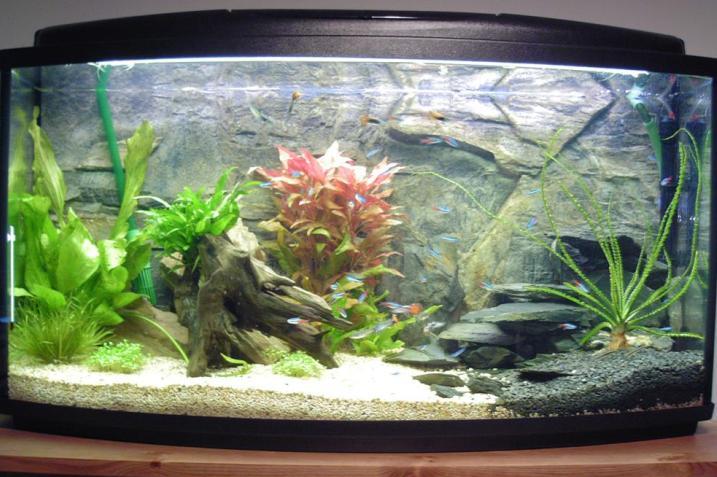
A new aquarium is the one part of fishkeeping that rewards patience over enthusiasm. The tank looks finished the moment the water clears, but the biological filter that keeps fish alive is still weeks away from doing its job. Most losses in a brand-new setup happen quietly, in clear water, days or weeks after the fish go in, because an immature biofilter cannot yet process the ammonia from fish waste and invisible toxins build up faster than you can spot them. The good news is that water quality is measurable, predictable, and easy to manage once you know what to watch. This is a practical, Australian guide to getting a new tank through its first six weeks without a toxicity event.
The nitrogen cycle and what "cycled" really means
A new aquarium can look stable long before it behaves that way. The filter and gravel are clean, the water is sparkling, and then, often around the first fortnight, ammonia or nitrite rises as the tank's bacterial community struggles to keep up. This is the classic new tank period, where small mistakes like overfeeding, adding too many fish, or over-cleaning the filter can turn into a toxicity event.1, 2
Fish waste, uneaten food, and decaying plant matter all break down into ammonia. Ammonia is highly toxic to fish at very low concentrations, and it becomes more toxic as pH and temperature rise.2 In a functioning tank, a biofilter hosts nitrifying bacteria that convert:
- Ammonia into nitrite (still toxic)
- Nitrite into nitrate (generally far less toxic, and managed with water changes and plants)
A tank is usually considered cycled when ammonia and nitrite stay at zero while nitrate is being produced. In a typical new freshwater setup this often takes around 4 to 6 weeks.2
The parameters that matter, and what you are aiming for
In a new aquarium, prioritise the toxins first and the comfort settings second.
Ammonia, nitrite, nitrate
As a general guide for many tropical community tanks, the RSPCA notes these targets:
- Ammonia: under 0.1 ppm
- Nitrite: under 0.2 ppm
- Nitrate: under 50 ppm
Exact tolerances vary by species, but in a new tank, treat any detectable ammonia or nitrite as a prompt to act.1
pH and temperature
There is no single perfect pH across all fish species, and stability matters as much as the reading itself. A commonly suitable range for many tropical fish is roughly pH 6.5 to 7.5, with a steady temperature appropriate to the species (many tropical fish sit around the mid-20s C).1
Be cautious about chasing pH with chemicals. Rapid swings stress fish, and a higher pH increases ammonia toxicity, so it is usually safer to focus on keeping ammonia and nitrite at zero and avoiding sudden changes.2
How often to test in a new aquarium
During startup, test often enough to catch the quiet spikes before the fish do.
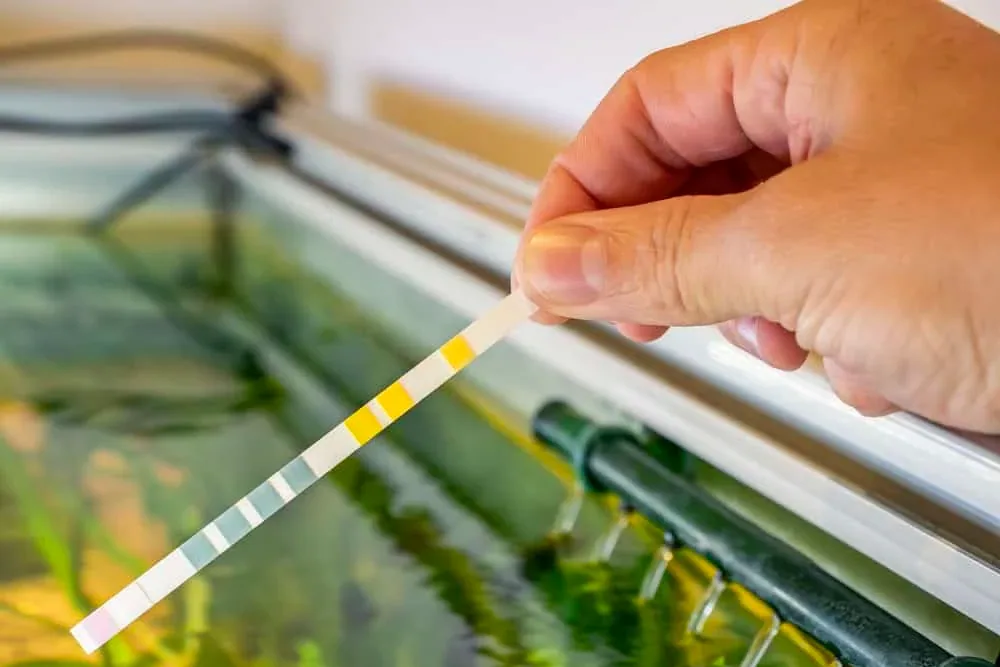
- First six weeks: test ammonia and nitrite every 2 to 3 days.
- After the tank is cycled: test every 1 to 2 weeks, or after any change such as new fish, filter maintenance, or medication.
This schedule aligns with RSPCA guidance for new aquariums while the nitrogen cycle is establishing.1, 2
Filtration and filter care
Choose a filter for its biology, not just for clear water. Aquarium filtration has three jobs: mechanical (trapping debris), chemical (removing some dissolved compounds), and biological (housing the microbes that detoxify ammonia and nitrite). In a new tank the biological job is the critical one, and it depends on oxygenated water flowing through filter media with plenty of surface area.2
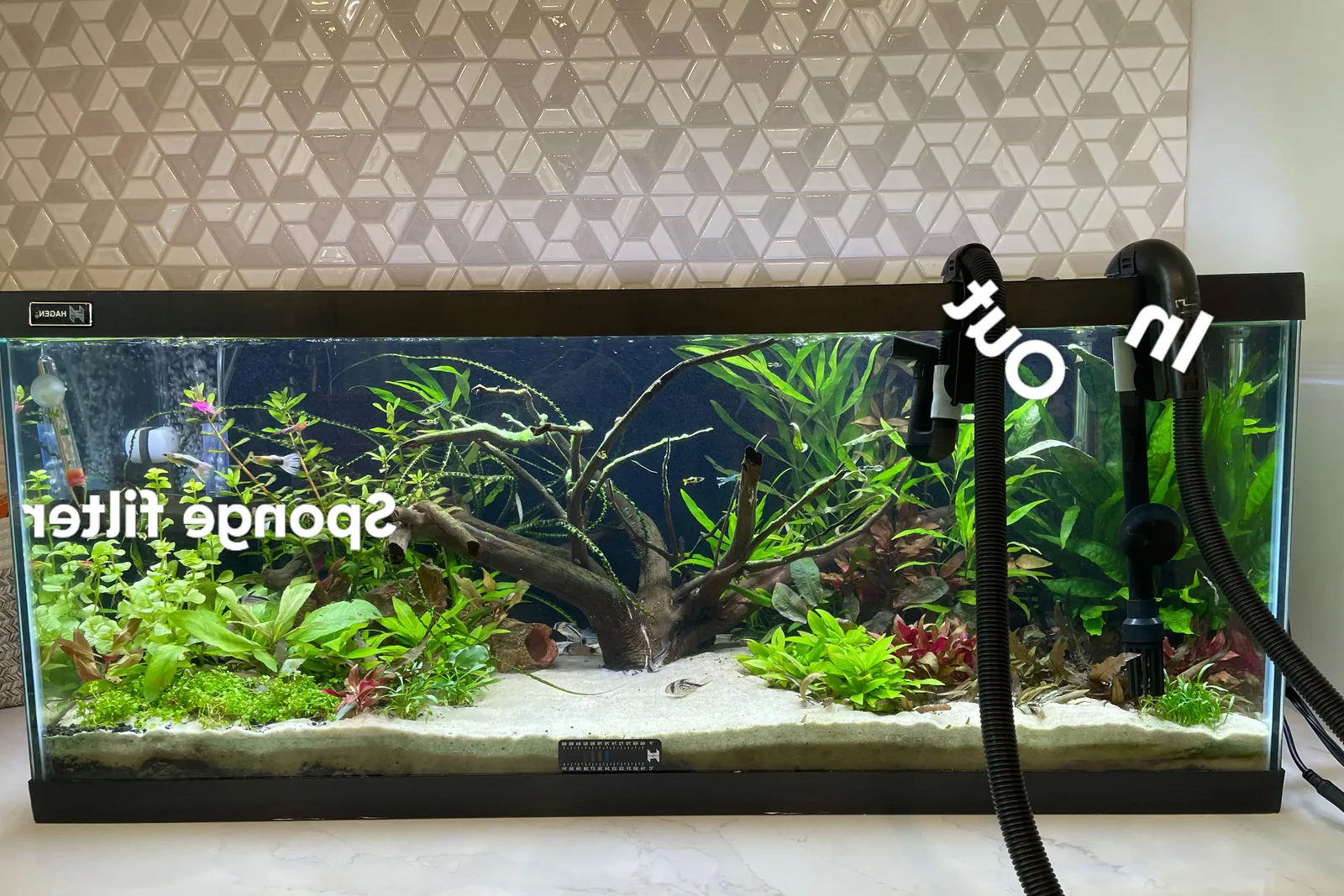
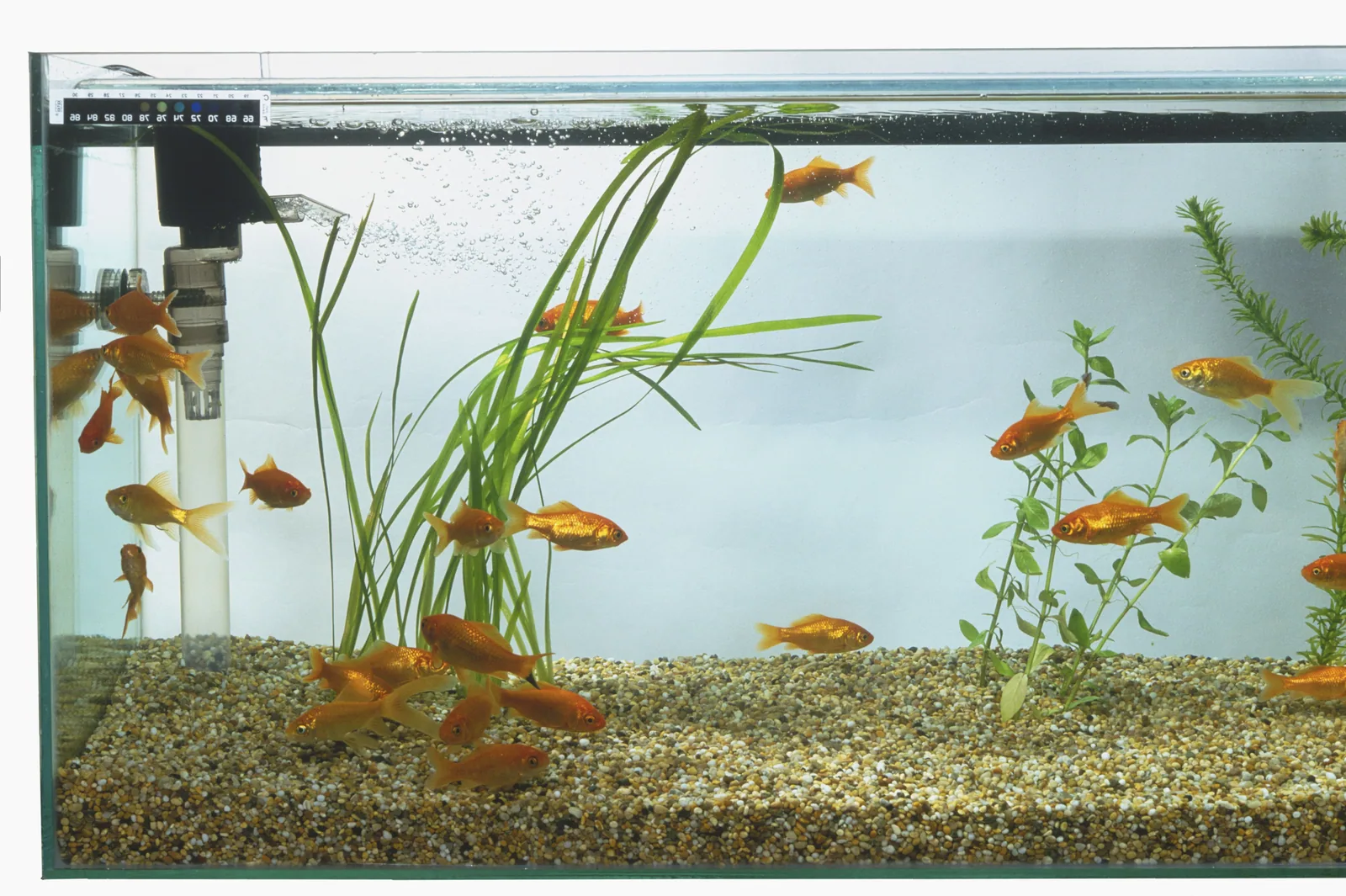
Aeration matters here too. If your filter does not disturb the surface much, add an airstone to keep oxygen levels up for the fish and for the biofilter itself.3
The common mistake is sterilising the filter. Do not do it. Rinse sponges and media gently in a bucket of old tank water rather than under the tap, because the chlorine or chloramine in tap water can kill the very bacteria you are trying to grow.2
Water changes and dechlorination
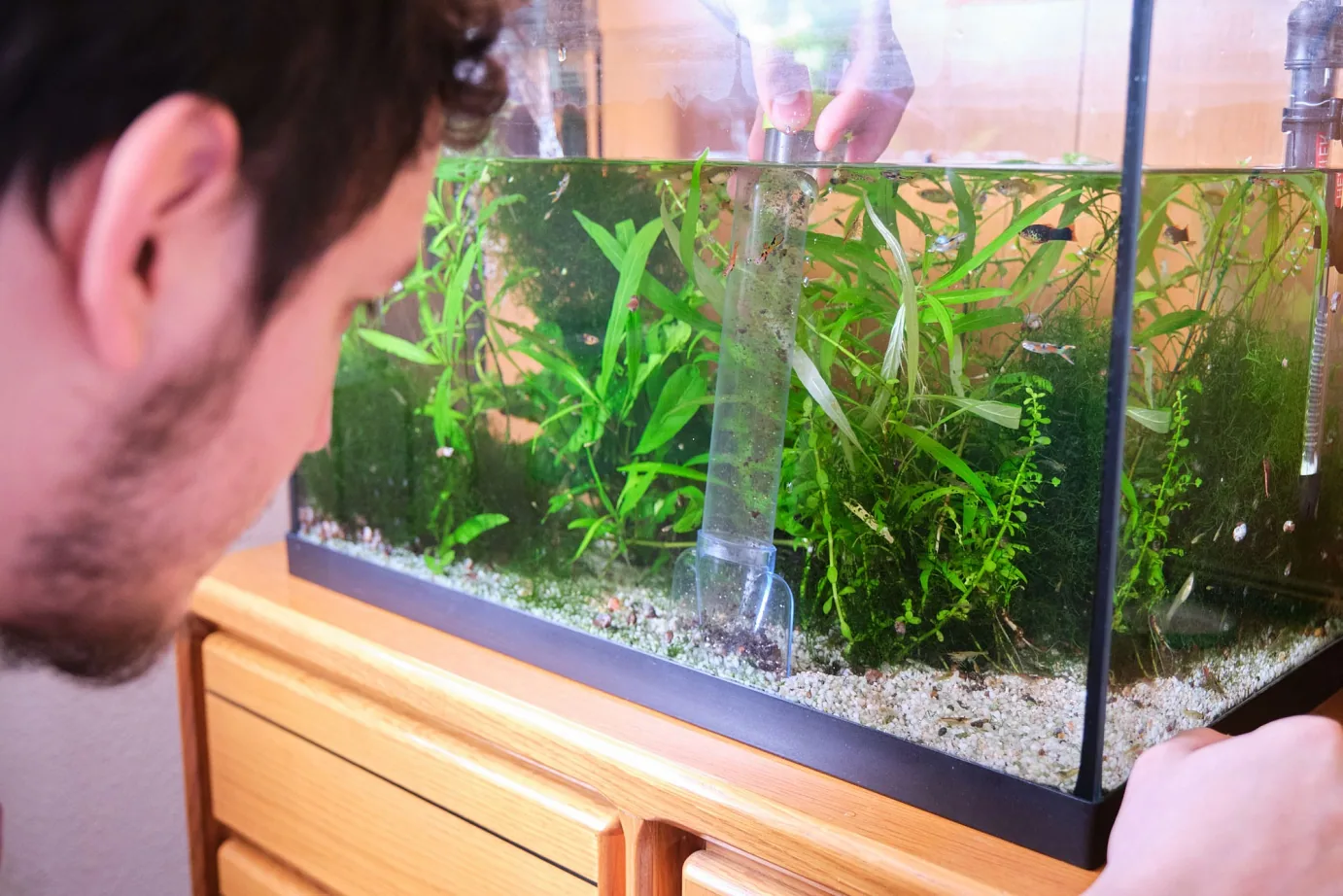
Partial water changes dilute toxins and export nitrate. In the early weeks, especially if ammonia or nitrite is rising, frequent small to moderate changes are usually safer than one dramatic reset, because they reduce toxins while keeping conditions steady for the developing biofilter.2 Once things are stable, a common pattern for many freshwater tanks is a 10 to 25% weekly change paired with a light gravel clean to remove waste.2
Dechlorination is not optional. In Australia, some reticulated water supplies use chloramines, including monochloramine, as a disinfectant. Chloramines are harmful to aquarium animals, so new tap water should be treated with a suitable water conditioner before it goes into the tank.4, 5 Conditioners vary in what they neutralise, so if your area uses chloramine, make sure the product explicitly treats chloramine and not only chlorine.2, 5
Preventing algae
Algae thrives on excess light and excess nutrients, and new tanks serve up both. Nutrient swings are common in the first months, especially from overfeeding and from the early stages of the nitrogen cycle. Keep the system lean and steady:
- Keep lighting consistent and avoid very long photoperiods while the tank settles.
- Feed lightly, since uneaten food becomes ammonia.
- Maintain nitrate control with routine partial water changes.2
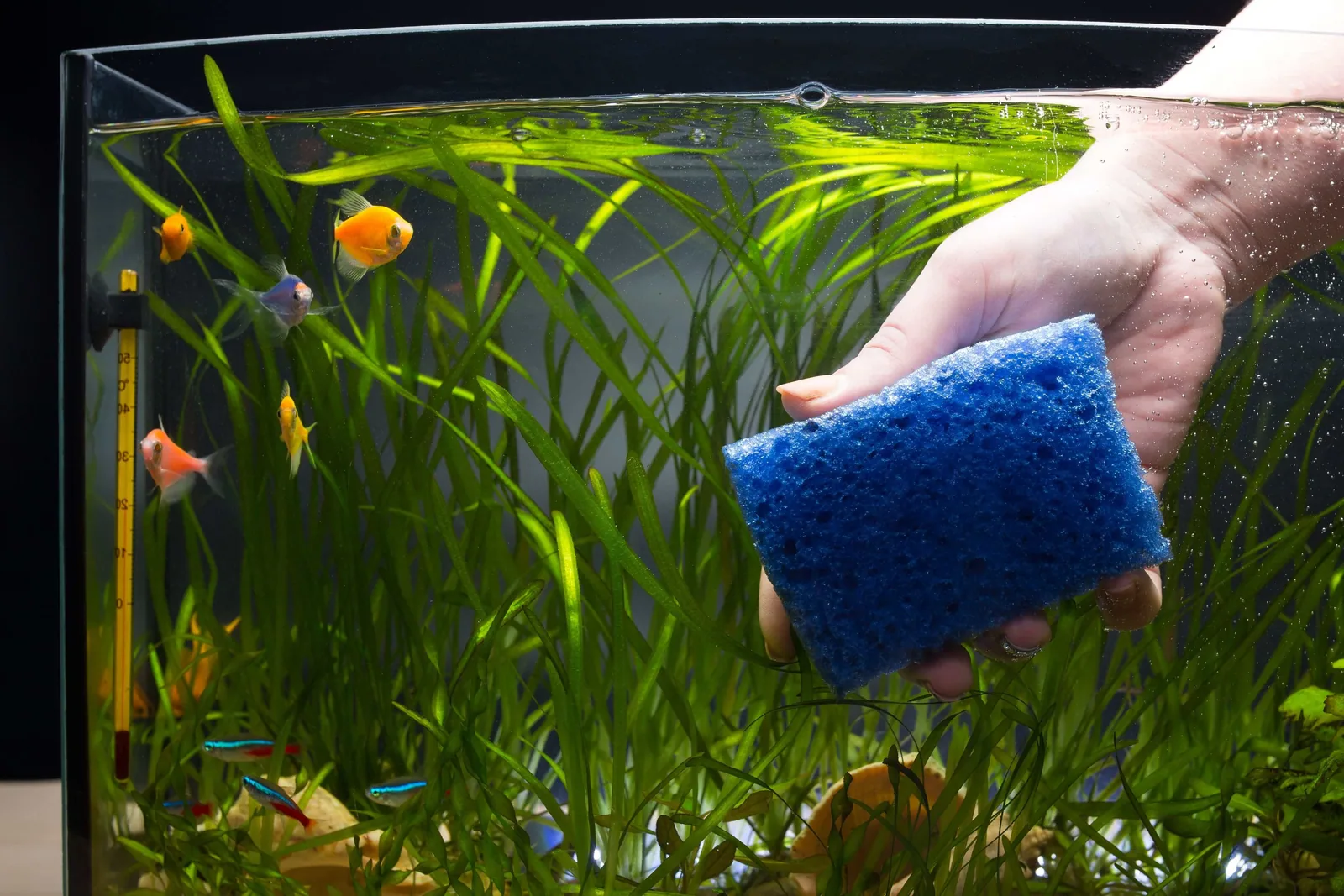
- Do not over-clean the filter or substrate all at once. Keep changes gentle and regular.2
Troubleshooting common problems
If ammonia or nitrite is detectable
Assume the tank is under-filtered for its current bioload, or that the biofilter has been disrupted, and act early.
- Do a partial water change, often 10 to 25%, and repeat as needed to dilute toxins.2
- Reduce feeding for a day or two, and remove uneaten food promptly.
- Check for obvious causes: a dead fish or snail, rotting plant mass, a clogged filter, or an overstocked tank.
- Make sure the filter media is not being rinsed in tap water.2
If fish are gasping at the surface
Surface gasping can come from poor oxygenation, high ammonia or nitrite, or other irritants. Increase surface agitation and aeration immediately, and test ammonia and nitrite as your first check.3
If nitrate keeps climbing
Nitrate is usually managed with routine partial water changes and sensible stocking and feeding. If it climbs despite maintenance, the tank is carrying more waste than you are exporting, often from heavy feeding, too many fish, insufficient plant uptake, or missed gravel cleaning.2
A note on "just add aquarium salt"
Salt is not a universal fix for water quality, and many freshwater fish and plants do not appreciate routine salting. In some situations the chloride from salt can reduce nitrite uptake and may be used as a short-term measure under informed guidance, but it does not remove ammonia, nitrite, or nitrate from the water. The biofilter and water changes do that work.6
The bottom line
A new aquarium is a small, enclosed ecosystem that is still assembling itself. Keep the water steady, keep the toxins at zero, and let the biofilter mature at its own pace. With regular testing in the first six weeks, gentle water changes, and careful filter handling, most new tank problems can be caught early, while they are still just numbers on a test kit.1, 2
References
- RSPCA Australia Knowledgebase: How should I care for my tropical fish?
- RSPCA Australia Knowledgebase: Why is water quality important when setting up a fish aquarium?
- RSPCA Australia Knowledgebase: How should I care for my goldfish?
- NHMRC: Australian Drinking Water Guidelines, Chloramines (Part 4: Disinfection)
- NHMRC: Australian Drinking Water Guidelines, Monochloramine
- Petco: Using salt in freshwater aquariums (benefits and safe use)
- Seachem: Prime (water conditioner), overview and claims
- Seachem Support: Prime dosing instructions
- Seachem Support: Prime product description (chlorine/chloramine and ammonia binding)

Dog lover and writer at My Pets Australia, sharing practical breed guides and care advice for Australian pet owners.