Fish Breeding
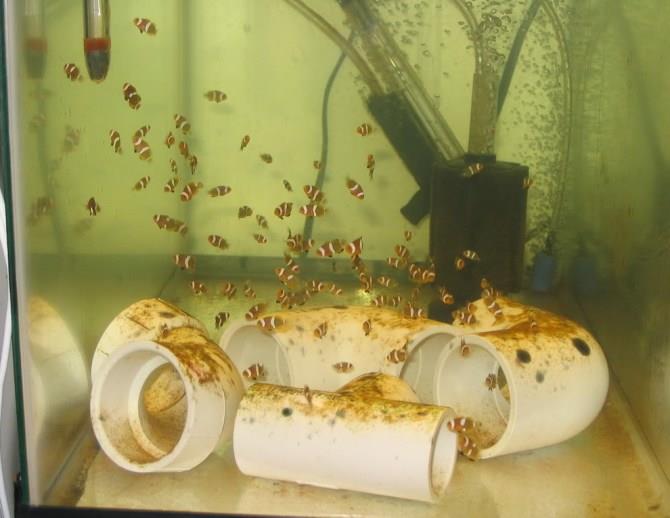
Breeding fish at home is one of the more rewarding things you can do in the hobby, and it is often easier than beginners expect: a settled pair, the right water, and a bit of protection for the eggs will get many common species reproducing. Done well, home breeding also takes some pressure off wild collection and cuts the urge to top up stocks from the wild. Most people arrive at the topic for one of two reasons, either a pair has started spawning in the community tank, or they have decided to breed a species properly and want to stop losing eggs and fry. The honest part is that success has less to do with luck than with control. Water quality, gentle filtration, and a plan for the surplus young matter as much as the spawn itself.
Before you breed: planning and biosecurity
Fish breed fast, so the useful question is not whether they can spawn but whether you can raise healthy juveniles and place them responsibly. Sorting that out early prevents overcrowding, poor growth, and needless losses.
- Know your outlet for juveniles before you set a pair up. Even hardy livebearers can overwhelm a tank in weeks.
- Never release aquarium fish, plants, or water into creeks, rivers, dams, or ponds. Escapes and releases can spread pests and disease and are very hard to undo once established.1
- Don't assume imports will soon be banned. Australia already tightly regulates live ornamental fish imports through permits, approved species lists, and quarantine or approved arrangements, and those conditions can change over time.2, 3
Choosing parent stock: quality, health, and genetics
Strong fry begin with strong parents. Pick breeding fish that are robust, well grown, and free of obvious deformities such as twisted spines, damaged mouths, or persistent fin problems. Resist breeding from the runt you felt sorry for if the issue looks structural rather than temporary.
Genetics matters in small aquarium populations. Random inbreeding can fix unwanted traits and reduce vigour over time, while planned line breeding can be useful when you have a clear goal and keep careful records. If you can, start with unrelated fish from healthy lines and rotate in new blood occasionally.
The breeding tank: making conditions predictable
A community tank is built for compromise. A breeding tank is built for outcomes: stable water chemistry, low stress, and controlled access to eggs and fry.
- Match water chemistry to the species (temperature, pH, hardness, and salinity where relevant). Many eggs fail simply because the water is fine for adults but wrong for embryos.
- Prioritise biological filtration and oxygenation. Fish waste becomes ammonia, which is highly toxic. An established biofilter converts ammonia to nitrite and then nitrate.4
- Keep it mature and steady. A newly set up tank is often the most dangerous place for fry because the biofilter is still developing.4
Spawning triggers when nothing happens
Some species respond to seasonal cues, so aquarists often simulate those changes carefully:
- frequent partial water changes (the fresh rain effect)
- an upswing in high quality foods, often live or frozen
- small, deliberate temperature adjustments within the species' safe range
- for some species, longer day length and brighter lighting
Once the fish are settled, avoid constant tweaking. Stability is a breeding trigger in its own right.
Protecting eggs and choosing a setup
Most fish do not guard eggs and will eat them opportunistically, and so will their tankmates. In an aquarium the eggs are concentrated, easy to find, and rarely survive without protection. Some groups, notably many cichlids, do guard eggs and fry, but their defensive behaviour can make them unsafe to keep with other fish during breeding, so separate quarters are often the calmer option. The right setup depends on how the species spawns.
Egg scatterers (barbs, danios, many tetras)
- Marble layer. A thin layer of marbles lets eggs fall out of reach. Keep the water level lower where appropriate for the species to reduce the time eggs are exposed while sinking.
- Mesh or egg grate. Parents spawn above a fine mesh and the eggs drop through to safety.
- Plant thicket. Fine leaved plants or spawning media trap adhesive eggs and provide cover until you can remove the adults.
Egg depositors (many rainbowfish, some killifish)
Spawning mops made of acrylic yarn or similar give eggs a predictable place to land. The eggs can be collected and moved to a hatching container if you need maximum control.
Livebearers (guppies, platies, mollies)
Breeding traps are widely sold, but they can stress the female and are easy to misuse. Treat a trap as a short term tool, not housing.
- Use a trap only when the female is close to dropping fry.
- Return her to a roomy tank soon after birth so she can recover.
- Where possible, a separate planted nursery tank is gentler than a cramped trap.
Raising fry: water quality and gentle handling
Fry are small, sensitive, and easily poisoned by poor water. They are also easy to injure with strong filtration and rough handling, so a calm setup does most of the work.
Biological filtration is the backbone. Ammonia and nitrite must stay at zero, and nitrate should be kept low with regular partial water changes.4 For very small fry, use gentle filtration and protect the intakes. Air driven sponge filters are a common choice because they provide biological filtration with low suction and steady aeration. Use chemical media with care. Products like zeolite can temporarily bind ammonia, but they do not replace a mature biofilter, and they can mask a problem you still need to fix at the source.
Avoid moving fry unless you must. When a transfer is unavoidable, move slowly, keep the temperature consistent, and use soft tools. A small cup or a turkey baster style tool is often safer than a net for tiny fry.
Feeding fry: matching food size to mouth size
After hatching, many larvae live briefly off their yolk sac, then become free swimming and need food small enough to swallow, offered often enough that they do not starve between meals.
First foods
- Infusoria and protozoans. Useful for the tiniest fry. Cultures crash easily, so start early and run more than one at a time.
- Rotifers. Often used in marine larviculture and for very small larvae where brine shrimp are too large.5
Brine shrimp (Artemia) nauplii
Newly hatched brine shrimp are one of the most common live foods in aquaculture and home breeding. Under typical hatchery conditions the cysts hatch in roughly a day, and the nauplii are then harvested and fed.5 Two cautions are worth keeping in mind:
- Size and suitability. Brine shrimp nauplii can be too large for many first feeding marine larvae, so they are often introduced after an earlier live feed phase such as rotifers.5
- Nutrition, especially for marine species. Artemia may need enrichment for demanding marine larvae because their fatty acid profile can be inadequate without it.5
Microworms and other small live foods
Microworm cultures are popular because they are cheap and productive. Keep them clean, restart them regularly, and do not feed sour or contaminated cultures to fry. As the fry grow, move on to larger items such as bigger live foods and finely crushed flakes or pellets, in step with mouth size and swimming ability.
Culling, surplus fish, and humane decisions
Selective rearing is part of responsible breeding. If you keep every fry regardless of health or form, you can quickly end up with overcrowding, stunted growth, and poor welfare. Plan to raise fewer juveniles well rather than many poorly. If you ever face the need to humanely end suffering, follow recognised humane killing principles: the method should produce rapid loss of consciousness, minimise pain and distress, and be appropriate to the species and life stage.6
Marine breeding at home
Marine ornamentals are being bred in growing numbers worldwide, but raising the larvae remains much more demanding than most freshwater species. The early feeding chain, often algae then rotifers then Artemia or enriched feeds and finally weaning, is where many home attempts fall down.5
References
- Queensland Government, Prevent the spread of invasive freshwater animals (including aquarium fish)
- Australian Government Department of Agriculture, Fisheries and Forestry (DAFF), Importing live fish to Australia
- DAFF, Biosecurity Import Conditions system (BICON)
- RSPCA Australia Knowledgebase, Why water quality is important when setting up a fish aquarium (nitrogen cycle and filtration)
- University of Florida IFAS Extension (EDIS), Choosing an Appropriate Live Feed for Larviculture of Marine Fish (rotifers and Artemia guidance)
- NHMRC, Australian code for the care and use of animals for scientific purposes (humane killing principles)
- DAFF, Industry Advice 41-2025: Change to release conditions for live marine ornamental fish sharing a recirculating system
- NHMRC, Regulation and the Australian code for the care and use of animals for scientific purposes

Dog lover and writer at My Pets Australia, sharing practical breed guides and care advice for Australian pet owners.