Feeding and Caring for your Pet Turtle
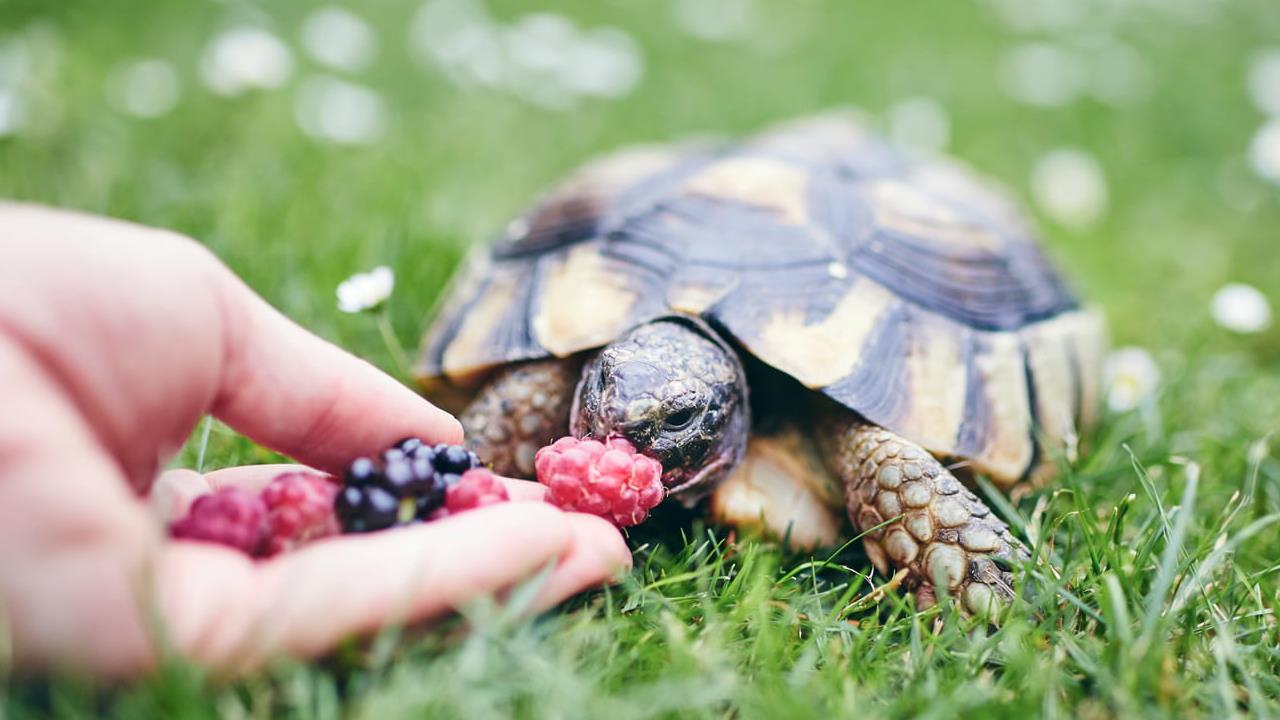
A pet turtle is a quiet, long-lived animal that rewards a good setup with decades of easy company. Most keepers meet these pages just after bringing one home, or in a pet shop wondering what a "proper setup" actually means. The honest answer is that a turtle is more about its enclosure than about the animal itself: get the water, heat and light right and the rest tends to look after itself. Get them wrong and a turtle can keep eating while quietly slipping into trouble. This guide covers the practical baseline, including the unglamorous part, hygiene, because turtles can carry germs like Salmonella even when they look perfectly healthy.1, 2, 3
Check the rules and the species first
Before anything else, two questions decide how the rest of this goes: is it legal where you live, and what species is it? In Australia, keeping a native turtle usually requires a licence or permit, and the rules vary by state and territory, so check with your state wildlife authority before you buy or set up.
Species matters just as much for care. Some commonly kept turtles are mostly carnivorous when young and broaden their diet as they mature, while others stay strongly meat focused. Australian long-necked turtles (Chelodina species) are described as carnivorous by the RSPCA, while short-necked turtles are more omnivorous.4 If you are not sure what you have, confirm the species before you set the diet and temperatures. Small differences in how readily they bask, how warm they like the water, and what they naturally forage shape everything else.
Choosing the right diet
Variety beats a single "staple" food. Most pet aquatic turtles do best on a mixed routine built around a few components:
- A quality commercial turtle pellet as a consistent base, which is especially useful for micronutrients.
- Whole, appropriate animal foods depending on species: insects, worms, aquatic invertebrates, and occasional fish or prawns. For some larger carnivorous turtles, whole-prey items may be used under veterinary guidance.4
- Plant matter for omnivorous species: dark leafy greens and vegetables offered regularly, not just as decoration.
Avoid leaning too hard on mealworms as a default insect. Many commonly offered feeder insects have a poor calcium-to-phosphorus balance unless they are properly supplemented, and mealworms are a classic example.5
Calcium and vitamin D
Turtles need adequate calcium and the ability to use it. In captive reptiles, metabolic bone disease is strongly linked to poor diet (low calcium relative to phosphorus) and husbandry problems such as missing UVB or incorrect temperatures.6 Practical ways to support this include:
- Offering a diet with an appropriate calcium-to-phosphorus balance, aiming for at least 1:1, with 2:1 often preferred in reptile nutrition guidance.5
- Providing UVB lighting, or safe unfiltered natural sunlight, so vitamin D pathways can function.4, 7
- Using a turtle-safe calcium source. Many keepers use cuttlebone, and you should discuss powders and schedules with a reptile vet, especially for growing animals.
Feeding schedule and portions
How often you feed depends on age, species, and water temperature, since digestion slows when it is cool. As a general starting point, young turtles are often fed daily, while many adults do well on fewer feeds each week, with body condition guiding the fine detail.8 Portion control is simple but effective:
- Offer only what your turtle can finish without leaving the water fouled with leftovers.
- Remove uneaten food promptly, especially animal foods, to protect water quality.
- Adjust up or down over a few weeks by watching body condition and activity, not by sticking to a rigid scoop size.
A clean and safe habitat
For aquatic and semi-aquatic turtles, water quality is not a background detail. It is the environment they sit in, breathe above, and swallow in small amounts, and the RSPCA calls it an integral component of good health for pet turtles.4 At a minimum, plan for:
- A tank large enough for normal swimming and turning.
- Reliable filtration and a routine for partial water changes.
- A dry basking platform that is easy to climb onto and fully dries the shell.
- Hiding structure so the turtle can withdraw from light and activity.
- A secure lid or turtle-proof rim, because they climb better than most people expect.
When it is time to clean, treat turtle water like raw chicken juice: keep it away from food-prep areas, and clean habitats outside the house where possible.2, 3
Temperature and lighting
Turtles manage their bodies by moving between zones: warmer and cooler water, a hot basking surface, bright light and shade. Your job is to provide the gradient and let the animal do the regulating.
Heating
Aim for a gradient, not a single number. The RSPCA describes an aquatic turtle setup with a thermal gradient around 18 to 24 degrees Celsius in the tank, with a basking area around 28 to 34 degrees Celsius.4 Use thermostats and thermometers, one reading water temperature and another at the basking surface. If the basking area is too cool, turtles may stay in the water and miss UV; if it is too hot, they may avoid it altogether.
UVB and day length
UVB earns its place because it supports the vitamin D pathways that allow calcium absorption and normal bone development. Without adequate UVB, metabolic bone disease becomes more likely.6, 7 A few points save a lot of confusion:
- UVB does not pass through glass or plastic, so a turtle sitting by a sunny window is not receiving useful UVB.4
- Provide a consistent photoperiod. Many captive setups use roughly 10 to 14 hours of light depending on season and species.9
- Follow the lamp manufacturer's distance guidance so the UVB intensity at shell height is effective, not merely bright.
Handling and hygiene
Turtles are not cuddly animals, and frequent handling is usually more about the keeper than the turtle. Handle only when needed, for health checks, tank moves and veterinary visits, and support the body firmly with two hands. Wash your hands before and after. Reptiles can carry germs that affect people, and turtles are a well-known source of Salmonella exposure through their bodies, tank water, and anything around their habitat.2, 3
Household rules that actually prevent problems:
- Do not clean tanks or filters in kitchen sinks, or anywhere food is prepared.2
- Keep turtles away from kitchens and dining areas, and do not let them roam the house.2, 3
- Children under five and other high-risk people should not handle turtles, as severe illness is more likely.2
Common health issues and prevention
Metabolic bone disease (MBD)
MBD is one of the big preventable conditions in captive reptiles. It is most often associated with a mismatch between diet and husbandry: insufficient calcium, too much phosphorus, lack of UVB, and temperatures that do not support normal digestion and metabolism.6, 7 Prevention is steady rather than dramatic, meaning correct UVB, correct basking access, and a diet that does not quietly rob calcium.
Shell and skin problems
Dirty water, poor filtration, and a lack of proper basking and drying time can set the stage for skin and shell issues. Aim for clean water, a fully dry basking platform, and a temperature gradient the turtle actually uses.4
Respiratory illness and lethargy
Low temperatures, damp conditions without proper drying, and chronic stress from an exposed tank layout can all contribute to illness. If your turtle stops eating, floats oddly, breathes with effort, or stays lethargic despite correct temperatures, a reptile-experienced vet should see it promptly.
Long-term care and maintenance
- Plan for growth. Many turtles outgrow starter tanks quickly, and cramped water volumes foul faster.
- Keep a simple routine. Regular partial water changes, filter maintenance, and quick daily checks beat occasional deep cleans.
- Review lighting on a calendar. UVB effectiveness declines over time, so replace lamps on the schedule recommended by the manufacturer even if the bulb still looks bright.
- Book a baseline vet visit. An early check can catch husbandry issues before they show up as shell or bone disease.10
The Bottom Line
A well-kept turtle enclosure looks calm: clear water, a warm dry basking place, light that mimics day, and food that matches the animal in front of you. Most problems begin when one of those basics quietly slips, usually UVB, temperature, or water quality. Keep those steady, confirm you are keeping the animal legally in your state, and you give the turtle a world it can regulate from the inside out.4, 6
References
- CDC Newsroom (16 August 2024): Tiny turtles and Salmonella illnesses
- U.S. Food & Drug Administration (FDA): Pet turtles as a source of germs (Salmonella advice)
- Better Health Channel (Victoria): Safe handling of reptiles and tropical fish (hygiene and Salmonella)
- RSPCA Australia Knowledgebase: How should I care for my pet turtle?
- Merck Veterinary Manual: Nutrition in reptiles (calcium:phosphorus guidance)
- Merck Veterinary Manual: Nutritional, metabolic, and endocrine diseases of reptiles (metabolic bone disease causes)
- RSPCA Australia Knowledgebase: Why does my reptile need sunlight?
- RSPCA Vet (Queensland): Turtle care (feeding frequency, UVB and heating overview)
- Merck Veterinary Manual (Table): Reptile housing requirements (photoperiod and UVB range)
- Merck Veterinary Manual: Special considerations for reptiles (vet check-ups and hygiene)

Dog lover and writer at My Pets Australia, sharing practical breed guides and care advice for Australian pet owners.