Fancy Rats
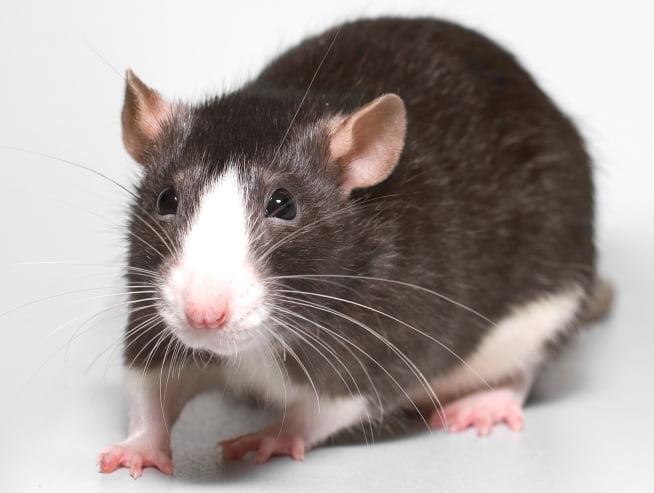
Fancy rats are bright, busy little mammals that form real bonds with the people who keep them. They learn routines, recognise their owners, and pack a surprising amount of behaviour into their small bodies: foraging, climbing, nesting and exploring long after you have stopped watching. Get the housing, diet and companionship right and they settle into calm, curious routines. Get it wrong and you tend to see stress, squabbles, respiratory trouble and a much shorter, harder life. They are one of the more rewarding small pets to live with, provided you are set up for a pair rather than a single animal.
Fancy rat quick facts
- Species: Domesticated brown rat (Rattus norvegicus).1
- Typical adult size: Often around 20 to 25 cm body length (tails are additional). This varies by sex and line.
- Typical lifespan: Commonly around 2 to 3 years, sometimes longer with good care.2, 6
- Social needs: Not a solitary pet. Best kept in same-sex pairs or small groups.2, 5
- Common health concerns: Respiratory disease is common. Tumours, especially mammary tumours, are also common in pet rats.7, 8
History and Origin
"Fancy rat" is the everyday name for the domesticated form of the brown rat. The word fancy comes from "animal fancy", meaning people who breed and keep animals for colour, coat type and temperament rather than for work.1
Modern fancy rats were developed through selective breeding in Europe, with organised showing documented in England in the early 1900s.1 The takeaway for owners is simple. Today's pet rats are not wild animals in a cage. They are domesticated, highly social, and shaped by generations of living closely with people.
Appearance and Physical Characteristics
What many people call "breeds" in rats is usually a mix of coat type, ear type and colour pattern. You will commonly see:
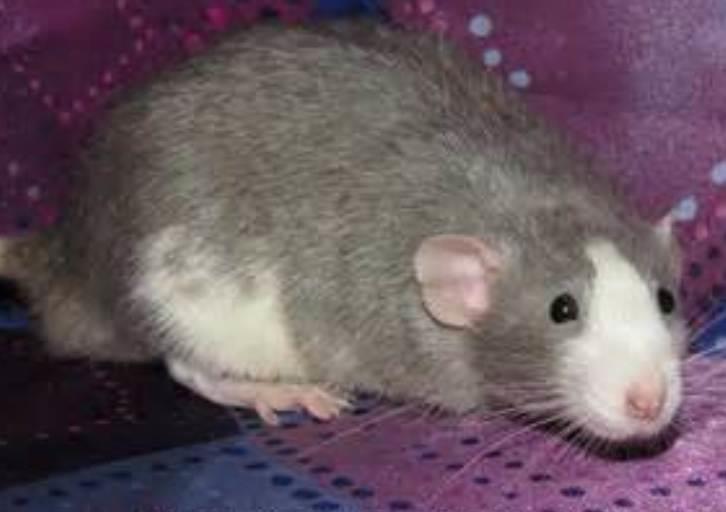
- Markings and patterns: hooded, Berkshire, self (solid), and more.
- Coat types: standard (smooth), rex (wavy or curly), satin (glossier).
- Ear type: standard ears or "dumbo" ears, which sit lower and wider on the head.
These traits affect look and feel more than care. Focus your choice on temperament, health history, and whether you can keep at least two compatible rats.
Temperament and Personality
Rats are group-living animals with active social lives, and it shows in how they behave. Kept alone, many become withdrawn or restless, and you tend to see more bar chewing, pacing and constant attention seeking. Most welfare guidance recommends keeping rats in pairs or small groups of their own species.2, 5, 3
- Best starter set-up: two or three same-sex rats of a similar age.
- Avoid surprise litters: keep males and females separate unless you have desexed animals and a vet plan.
- Stability matters: rats often do better when group composition stays steady, rather than with frequent additions and removals.3
Regular gentle handling helps rats stay calm around people. Animal Welfare Victoria notes they must be handled regularly to develop a positive relationship with humans, and that mishandling can lead to bites.2
Care and Housing
A good rat enclosure is a small vertical landscape of shelves, ramps, ropes, hammocks and hiding places. Ventilation matters, and so does cleaning access, because ammonia build-up irritates airways.
What to look for in a cage
- Room to move: bigger is always easier to enrich and to keep clean. As a practical guide, Blue Cross suggests a minimum of about 90 cm (L) by 60 cm (D) by 120 cm (H) for two to five rats, with larger housing for larger groups.6
- Ventilation: wire cages generally ventilate better than solid tanks. Avoid stale, humid set-ups.
- Safety: bar spacing must be small enough to prevent escapes, especially for young rats.
Bedding, nesting and enrichment
Rats are driven to forage, climb, nest, explore and manipulate their environment. Enrichment is not a luxury. It is normal behaviour made possible.4
- Bedding: use low-dust, absorbent bedding. If any bedding seems to trigger sneezing or irritation, swap it out.
- Hide and nest: provide enclosed sleeping spots and nesting material. Paper-based options are commonly used.2
- Climb and chew: add ropes, ladders, tunnels, chew-safe items and rotated toys to keep the space active.2, 4
Housing must also protect rats from predators. Animal Welfare Victoria specifically notes it should keep rats safe from dogs and cats.2
Diet and Nutrition
Rats are omnivores, but they do best when their main diet is a nutritionally complete rat pellet or cube, with fresh foods added in small amounts. RSPCA guidance recommends good quality rat pellets or cubes as the foundation, with small amounts of vegetables as part of the daily allowance rather than as extras.9, 5
- Base diet: quality rat pellets or cubes.9
- Vegetables: small daily amounts, such as dark greens and non-starchy veg.9
- Fruit and treats: occasional, small portions. These are easy to overdo and can push weight up.5, 9
- Water: fresh water available at all times, from a bottle or suitable dish.2
Rats also need opportunities to gnaw and chew as part of normal behaviour and dental wear.9, 5
Training and Exercise
Healthy rats move constantly. They climb, hop, investigate corners and keep going long after you have stopped watching. Build that movement into daily life with climbing space in the cage and supervised time outside it in a rat-proofed area. Combined with regular gentle handling, this daily contact is what keeps rats confident and easy to manage.
Health and Lifespan
Pet rats are small, fast-metabolism animals, and when they become unwell they can deteriorate quickly. If something feels off, it is worth an early call to an experienced vet.
Respiratory disease
Respiratory disease is one of the most common health problems in rats, with several infectious agents involved, including Mycoplasma pulmonis.7 Seek veterinary advice promptly if you notice:
- noisy breathing, wheezing or laboured breathing
- persistent sneezing or "snuffling"
- discharge around the nose or eyes
- reduced appetite, hunched posture or sudden tiredness
Tumours, especially mammary tumours
Rats are prone to developing tumours. Mammary fibroadenomas are described as the most common tumours in rats, and early veterinary assessment improves the options for treatment.8 Any new lump is worth checking, even if your rat seems otherwise normal.
A Few Things Worth Knowing
- Introducing rats to rats is usually possible, but it should be slow and controlled. Start with scent swaps and gradual, supervised meetings in neutral territory. Watch for tension and chasing that does not settle, and be ready to separate.
- Introducing rats to cats or dogs is a different matter. Even a calm predator can injure a rat in a moment, and stress alone can be harmful. Keep interactions separated and secure, with rats safe behind closed doors or in a predator-proof space, not loose on the couch together.2
- Lifespan is short. Two to three years is typical, so these are pets that ask for a lot of attention across a fairly brief window.2, 6
The Bottom Line
Fancy rats suit people who like small animals with big behavioural lives: busy nights, careful hands, and social bonds that are real even when they are expressed quietly. If you can provide space, companionship, a pellet-based diet and prompt veterinary care when needed, rats are often one of the most rewarding small pets to live with. The one non-negotiable is company. Plan for at least two from the start.2, 5
References
- Wikipedia, Fancy rat (overview and history)
- Agriculture Victoria (Animal Welfare Victoria), Caring for pet rats and mice (updated 28 Nov 2025)
- Agriculture Victoria, Code of Practice: Housing and care of laboratory rodents (Part 3.2 animal enclosures; social housing guidance)
- Agriculture Victoria, Code of Practice: Behaviour and environmental enrichment (Part 3.4)
- RSPCA Australia Knowledgebase, How should I care for my rats?
- Blue Cross, Caring for your rat (lifespan, companionship, cage size guidance)
- Merck Veterinary Manual, Mice and rats as pets (respiratory disease and pathogens)
- Merck Veterinary Manual, Disorders and diseases of rats (tumours, including mammary fibroadenomas)
- RSPCA Australia Knowledgebase, What should I feed my rats?

Dog lover and writer at My Pets Australia, sharing practical breed guides and care advice for Australian pet owners.