Fancy Mice
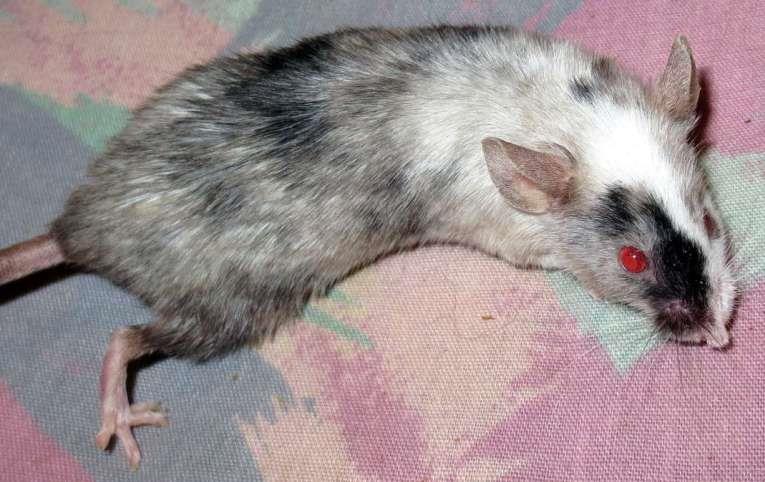
Fancy mice are domesticated house mice (Mus musculus) bred over generations for their coat colours, patterns, and sometimes coat texture. They are alert, busy, endlessly curious little animals that come alive once the house quietens down. They are also legal to keep across Australia, unlike hamsters and gerbils, which are banned as declared pests. Their needs are simple but non-negotiable: ventilation, company, a steady diet, and gentle handling all shape their health within days rather than months.1, 2, 3, 4
Appearance and Physical Characteristics
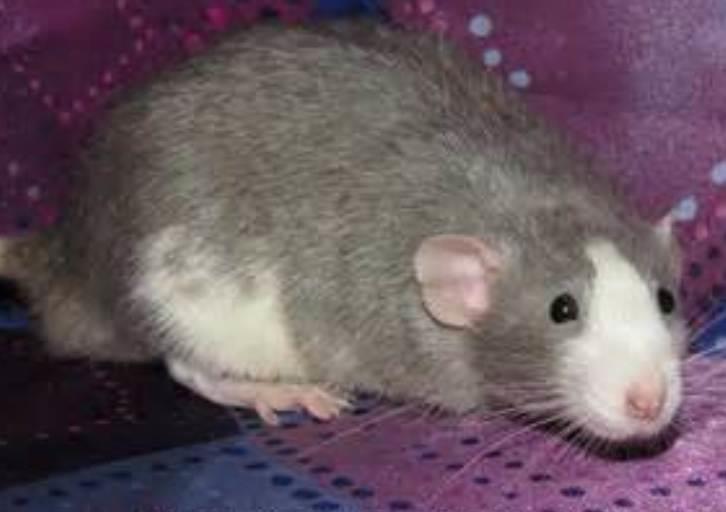
"Fancy mouse" is a pet and show term for the same species as the common house mouse, selectively bred for appearance and temperament. The variety is the appeal. You will see differences in:
- Colours and markings, for example solid colours, patched coats, and marked faces.
- Coat types, including smooth, satin, rex or curly, and sometimes longer coats.
- Body type. Pet and show lines can look a little different, but they are still the same species.
Temperament and Personality
Mice are social animals, and in most homes they do best with compatible companions rather than kept alone.1, 2, 3
- Female groups often settle well when introduced properly and given enough space and hiding spots.1, 3
- Entire (undesexed) adult males are more likely to fight if housed together, and mixed-sex housing risks accidental litters.1, 2
- Introduce thoughtfully. Bringing mice home together, for example littermates, is usually easier than adding new mice later.3
Human interaction can be enriching too, but it needs to be gentle, consistent, and on the mouse's terms.1, 2
Is a Fancy Mouse Right for You?
Fancy mice suit people who want a small, watchful companion to observe and interact with in short, calm sessions, rather than a cuddly lap pet. They are inexpensive to house and quiet, but they live only a short time and can decline fast when something is wrong, so daily attention matters. They also do best in company, which means planning for more than one mouse and the right sex grouping from the start. If you can commit to daily checks, gentle regular handling, and prompt vet care, they are rewarding. If you want a pet you can leave largely to itself, they are not a good fit.1, 2, 4
Care and Housing
A good mouse enclosure is roomy, escape-proof, easy to clean, and above all well ventilated. Poor ventilation and infrequent cleaning let ammonia from urine build up, which irritates airways and contributes to respiratory problems.3
- Ventilation first. Wire-sided cages with a solid base generally ventilate better than many plastic tanks.3
- Deep bedding and nesting material. Mice are built for burrowing and nest-building, so give them enough depth to dig and enough soft material to build a proper nest.5, 6
- Hides and structure. Tunnels, boxes, platforms, and safe chew items help them move, explore, and rest without feeling exposed.5, 6
- Keep it stable. Place the cage away from direct sun, heaters, draughts, and noisy foot traffic. Heat stress is a real risk for small rodents.7
Spot-clean daily, removing wet patches, soiled corners, and old fresh food. Do fuller cleans often enough to prevent ammonia build-up, while keeping some familiar nesting material so the enclosure still smells like home. The right frequency depends on cage size, ventilation, bedding type, and how many mice you keep.3
Enrichment matters as much as the box itself. In the wild, mice forage, dig, climb, nest, and constantly test their surroundings, and welfare improves when the enclosure lets them do the same. Scatter part of the daily pellet ration through the bedding so they can search and dig, provide ample nesting material, and offer multiple hides and routes so timid mice can rest undisturbed and groups stay relaxed.5, 6
Diet and Nutrition
The simplest reliable base diet is a good-quality formulated mouse pellet or cube, which meets known nutritional requirements and reduces the "picking favourites" problem common with seed mixes.8
- Base diet: formulated mouse pellets or cubes as the main food.8
- Fresh foods: small amounts of vegetables, with fruit used more sparingly as a treat.8
- Avoid seed-heavy mixes as a staple. Mice tend to eat the highest-calorie parts and leave the balanced components behind, which can drive obesity and nutrient imbalance.8
- Fresh water always. Bottles are often cleaner than bowls, but check daily that the sipper works and has not blocked or leaked.8
Mice also have a strong need to gnaw, so offer safe chew items and make sure the setup gives regular opportunities for chewing.8
Handling and Bonding
Most mice become calmer with regular, gentle handling, especially when it starts early. Move slowly, support the whole body, and avoid sudden grabs from above, which is how many predators approach. Never pick a mouse up by the tail.1, 2, 9
Food rewards can help. Keep sessions brief, end on a calm note, and let the mouse retreat when it needs to.
Health and Lifespan
Pet mice can decline quickly, so treat changes in breathing, appetite, or activity as time-sensitive. Respiratory disease is a common concern, and signs can include sneezing, wheezing, snuffling, and discharge around the nose or eyes.10
Seek veterinary help promptly if you notice:
- Laboured or noisy breathing, or breathing that looks faster than usual.10
- Discharge from the nose or eyes.10
- Reduced appetite, weight loss, a persistently puffed-up coat, or unusual lethargy.
- Head tilt, poor balance, or repeated scratching, which can point to ear or skin issues.
Good husbandry lowers the risk. Keep ventilation high, prevent ammonia build-up with appropriate cleaning, avoid overcrowding, and manage heat.3, 7
A Few Things Worth Knowing
- Breeding goes wrong fast without a plan for genetics, housing, weaning, separation by sex, and vet support. For companionship, same-sex groups or desexed arrangements advised by a vet are usually simpler and kinder than accidental litters.1, 2
- Show standards focus on coat, markings, and body type, but for a pet home the priorities are clear eyes and nose with no discharge, even breathing with no audible clicks or wheezes, a healthy coat and weight, and calm, curious behaviour. Some mice are naturally more timid, and that is normal.
The Bottom Line
Fancy mice fit into the small hours of a household, busiest with nesting, nibbling, and soft digging once the house goes quiet. Keep their world clean, ventilated, and interesting, feed a steady base diet, and handle them with care. The reward is not a performing animal but a small, watchful companion that grows familiar with your presence over time.1, 3, 8
References
- RSPCA Australia: Caring for pet mice
- RSPCA Australia: Essential tips on housing mice
- RSPCA Knowledgebase: How should I care for my mice?
- RSPCA Knowledgebase: How should I care for my mice? (Rats and mice category)
- Agriculture Victoria: Code of Practice, Behaviour and environmental enrichment (laboratory mice)
- Agriculture Victoria: Code of Practice, Climate control (laboratory mice)
- RSPCA WA: Pocket pets (rat and mouse care overview)
- RSPCA Knowledgebase: What should I feed my mice?
- RSPCA NSW: How to care for your pet mouse
- University of Missouri College of Veterinary Medicine: Mycoplasma pulmonis (mouse respiratory disease information)

Dog lover and writer at My Pets Australia, sharing practical breed guides and care advice for Australian pet owners.