Falabella and American Shetland
The Falabella and the American Shetland are both small equines that people weigh up when they want a horse or pony that suits a modest property, a realistic budget, and their own handling confidence. Both are compact, bright, and quick to learn, which is a big part of the appeal. The important thing to understand up front is that they are built for different jobs. Falabellas sit in the miniature horse world and are mostly kept as companions or for in-hand showing, while American Shetlands are pony-bred athletes shaped for harness and, in the right hands, ridden work.1, 2 Both are legal to keep in Australia, but small size does not mean small responsibility.
Falabella vs American Shetland: quick comparison
- Height (at the withers): Falabella commonly around 28 to 34 inches (about 71 to 86 cm). American Shetland must not exceed 46 inches (11.2 hands, about 117 cm) under registry height limits.1, 2
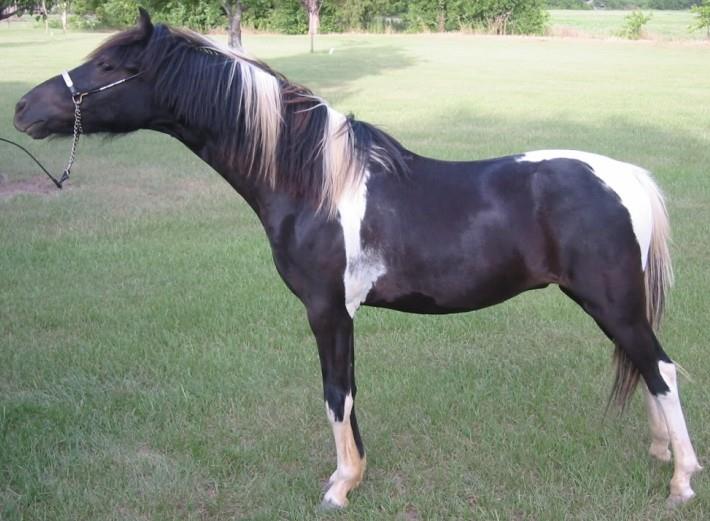
- Build and coat: Falabellas tend to look like tiny full-sized horses, often with finer horse-like proportions. American Shetlands are typically more refined and athletic than the traditional Scottish Shetland and do not usually carry the same heavy winter coat.1, 2
- Colours: Falabellas come in many colours and patterns. American Shetlands can be many colours and patterns too, but Appaloosa spotting is excluded in the US breed registry description.1, 2
- Common uses: Falabella: companion, in-hand showing, light driving or trick training, with limited riding for very small children only. American Shetland: driving, show, and youth riding in suitable types with the right training.1, 2
- Longevity: Well-managed horses commonly live around 25 to 30 years, and ponies and small breeds often reach their 30s. Any claim of 30 to 40 years as typical is best treated as possible, not guaranteed.3
History and origins
Falabella (Argentina)
The Falabella is an Argentine miniature horse breed developed from small horses in Argentina and shaped through selective breeding over generations. A formal breed registry was established in the mid-20th century under Julio C. Falabella, and the name remains tied to that family and its breeding program.1
American Shetland (United States)
The American Shetland began with imports of Shetland ponies from the Shetland Isles of Scotland in the late 1800s, followed by selective breeding in the United States for a more refined, elegant show pony. Breeders favoured animation and harness style over the traditional, heavier-coated island type.2, 4
Physical characteristics and breed standards
Falabella size and type
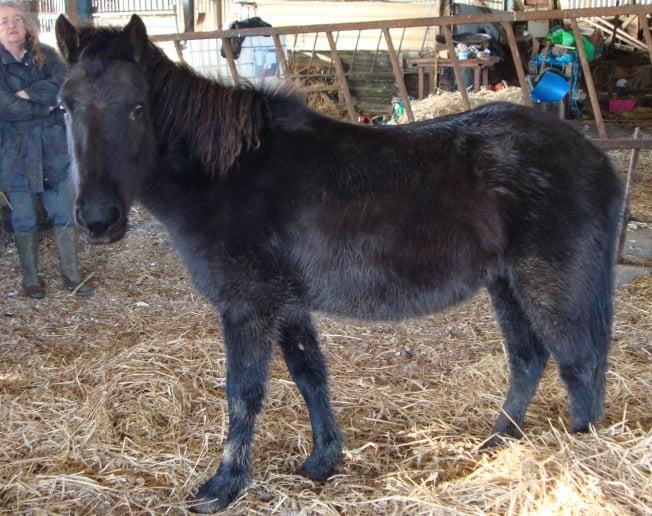
Falabellas are among the smallest established horse breeds. Mature height commonly sits in the high 20s to low 30s inches at the withers, and they are valued for horse-like proportions at a very small scale rather than a pony build.1
A note on weight: published weights vary widely by source and by individual, and many online tables overstate Falabella weights for their height. If weight matters for feed planning, rugging, float capacity, or medication dosing, use a weigh tape designed for minis (or better, a scale) and work with your vet.5
American Shetland size and registry height
American Shetlands are taller and longer-legged than the traditional Shetland pony. In the United States, registered American Shetland ponies must not exceed 46 inches (11.2 hands) at the withers.2, 4
Temperament and handling
Both breeds are typically intelligent and quick to learn, which cuts both ways. That same brightness can look like gentleness in one setting and mischief in another, especially when routines are inconsistent or food rewards are too generous.
As a general pattern:
- Falabella: often kept as a companion animal and handled like a small horse. Many are quiet with regular handling, but they still need clear boundaries and consistent training, particularly around feeding and leading manners.1
- American Shetland: bred for show and performance in the US, and many lines are energetic, forward, and alert. Those traits suit harness work and youth riding, but they can overwhelm a novice handler if training is rushed.2, 4
Uses: what each breed suits
Falabella
Falabellas are most commonly kept as pets and for in-hand showing. Some can be trained to drive a very light vehicle or do liberty and trick work, but their size sets firm limits on riding. Even where a Falabella is rideable, it is generally only suitable for very small children in short, well-managed sessions.1
American Shetland
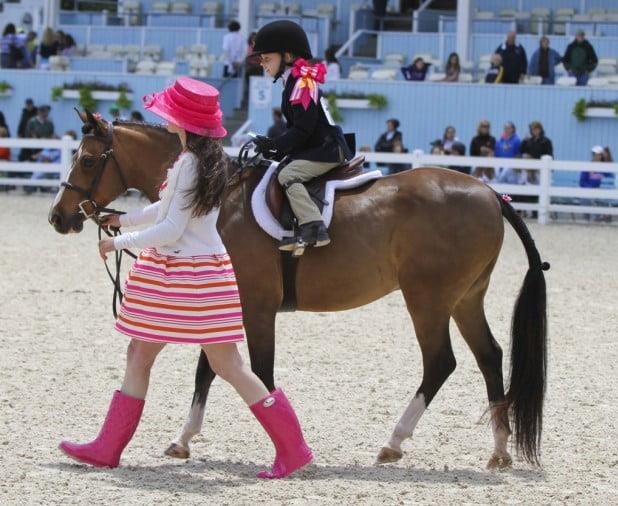
American Shetlands are widely used in harness disciplines such as fine harness, roadster-style classes, and pleasure driving. They can also be used for youth riding depending on type, training, and individual build.2, 4
Feeding and everyday care
Small horses come with big feeding consequences. Minis and small ponies can gain weight quickly on rich pasture or oversized hard feeds, and the risk is not cosmetic. Obesity is strongly linked with laminitis, and small equines are over-represented in easy-keeper metabolic patterns.5, 6
A simple, practical baseline
- Forage first: most of the diet should be grass or hay, adjusted to body condition and workload.3
- Watch pasture like it is a feed bin: for many minis and ponies, unrestricted grazing is where weight problems begin. Use yarding, strip grazing, or a grazing muzzle if advised by your vet or experienced local pony people.5, 6
- Grain is not a default: concentrates are sometimes useful, but they are often unnecessary for lightly worked minis and ponies, and can raise laminitis risk when misused.5, 6
- Body condition scoring beats guessing: regularly assess condition and adjust feed early. Queensland's DPI outlines a practical body condition scoring approach that translates well to small equines, even though the examples are full-sized horses.7
Routine care that does not shrink with the horse
Size does not reduce the need for the basics: hoof trims on a regular schedule, dental checks, parasite control, and safe fencing sized for small animals. If anything, their compact feet and easy-keeper metabolism mean small problems can escalate quickly when they are missed.5, 7
A note on famous individuals
Named famous individuals are often repeated online without reliable records. If you are researching bloodlines or show history, treat unsourced stories cautiously and rely on studbooks, breed clubs, and official competition records where possible.
Choosing between them
If you want a small companion animal and you are prepared to manage weight carefully, a Falabella can be a good fit, especially for people who enjoy grooming, groundwork, and in-hand showing more than riding. If you want a small performance pony, particularly for harness work, an American Shetland is usually the more purpose-built option, with clearer breed infrastructure for sport and showing.1, 2
References
- Wikipedia, Falabella (overview, history, height range, common uses)
- Wikipedia, American Shetland Pony (overview, history, height, uses)
- WebMD, How long do horses live? (reviewed July 17, 2025)
- US Equestrian (USEF), Shetland (registry description and 46-inch height limit)
- The Horse, Feeding Minis (obesity risk, pasture and hay cautions, metabolic concerns)
- The Horse, Managing Obese Horses to Prevent Laminitis (diet restriction and pasture risk)
- Queensland Government (DPI), Feeding horses (duty of care, body condition scoring guidance)
- US Equestrian (USEF), American Shetland Pony Club press release noting 46-inch height limit

Dog lover and writer at My Pets Australia, sharing practical breed guides and care advice for Australian pet owners.