European GoldFinch
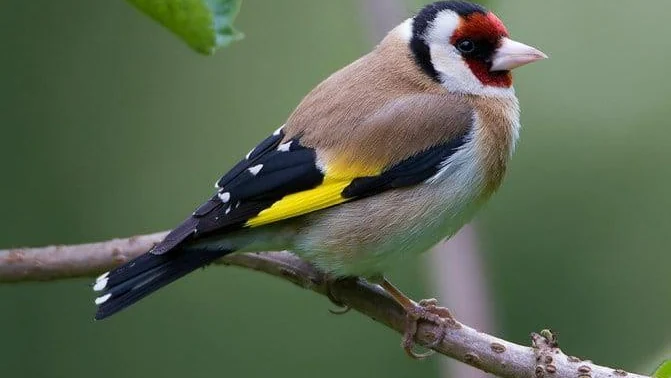
The European Goldfinch is a small, sharply marked songbird with a crimson face, a black-and-white head and a broad yellow flash across its wings. It is one of the easiest small birds to identify once you know the pattern, and flocks are a common sight picking seed from thistles and roadside weeds. Native to Europe, North Africa and western Asia, it has also been introduced to parts of south-eastern Australia, where it now breeds and feeds as a naturalised bird. That introduced status is the key thing to understand here, because it shapes what you can legally do with the species, from feeding and planting for it to trying to keep one. This is a bird best appreciated in the wild, not treated as a low-maintenance cage pet.1, 2
European Goldfinch at a glance
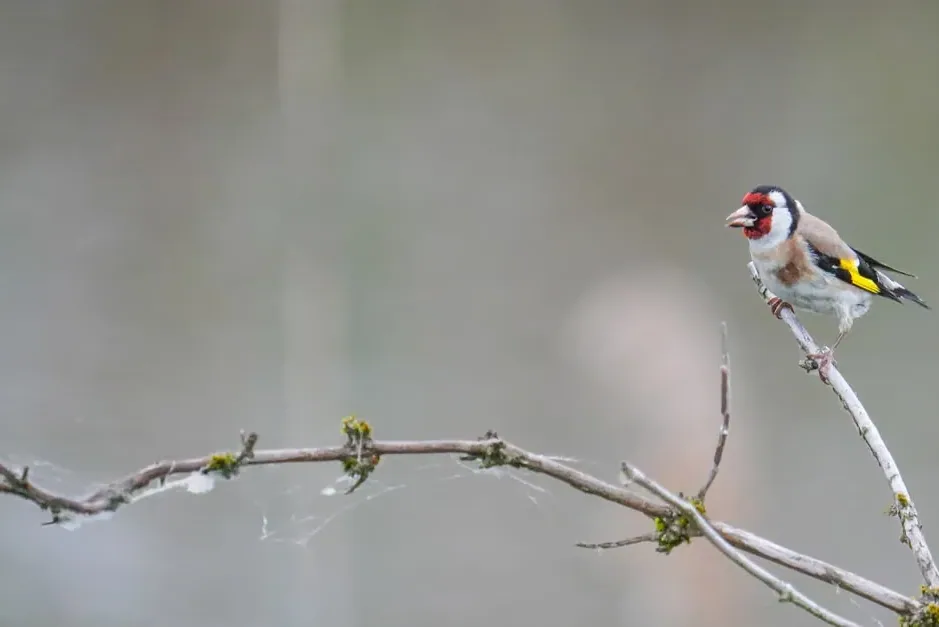
- Common name: European Goldfinch (often just "goldfinch")
- Scientific name: Carduelis carduelis2
- Adult size: about 12 to 14 cm long; wingspan around 22 to 24 cm (varies by source and population)1, 6
- Status in Australia: introduced (non-native) in several south-eastern states and territories1, 2
- Global conservation status: IUCN "Least Concern" (global assessment)7
How to recognise a European Goldfinch
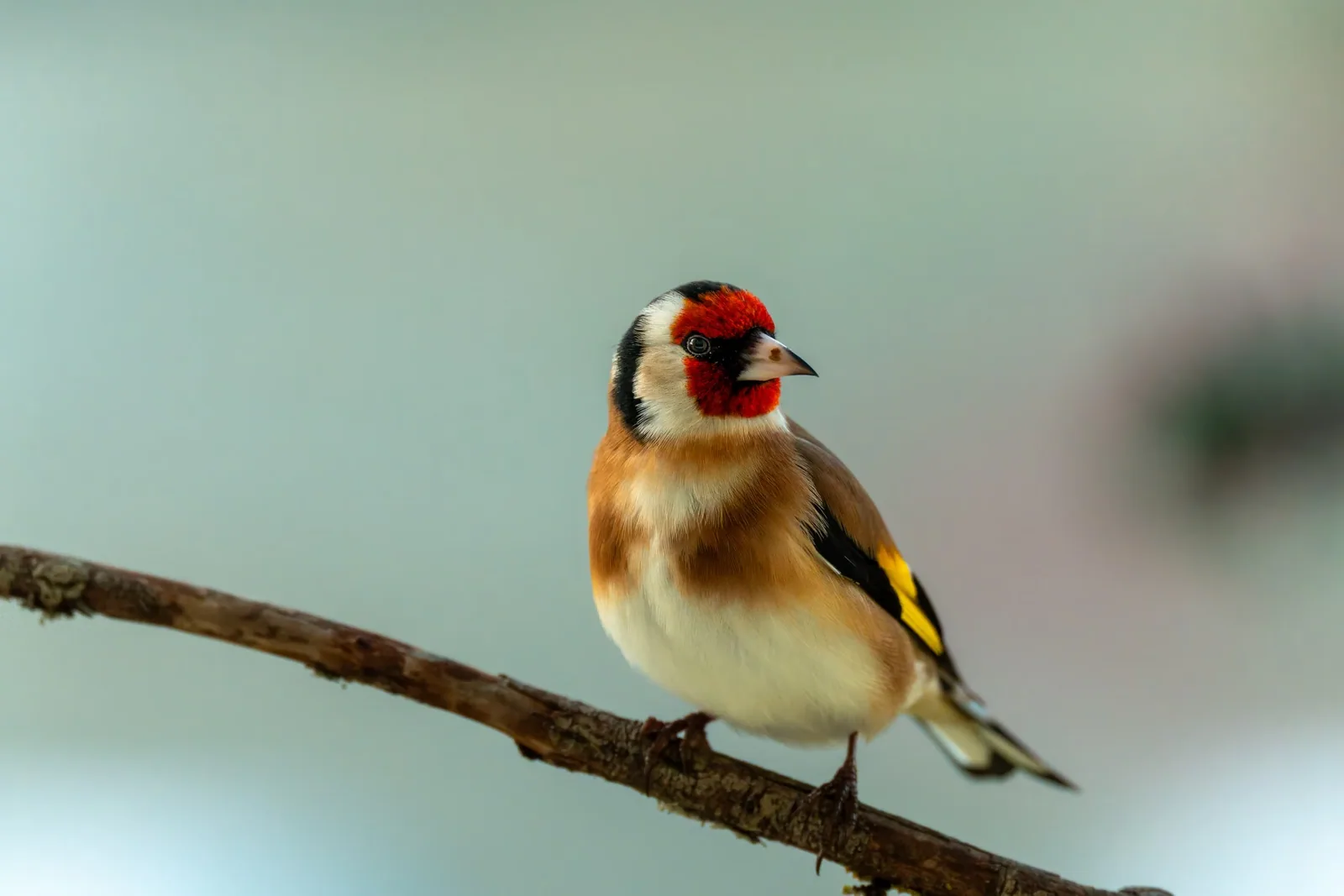
In good light you can name this bird before the binoculars are even up. Look for a crisp red face, black-and-white head patterning, and a broad yellow bar across otherwise dark wings.1, 6
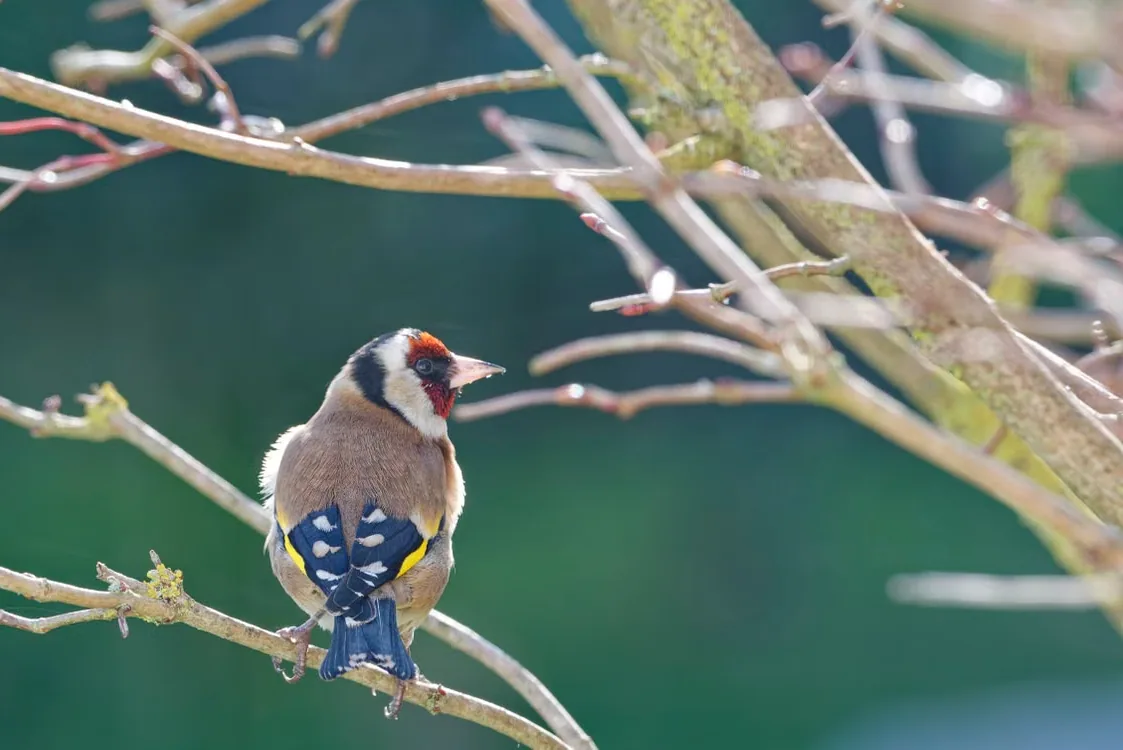
Females and males look very similar. Young birds are trickier, with a browner, streakier head, but the yellow wing bar is already present in the first year.1, 6
Where it lives: native range and Australian distribution
In its native range, the European Goldfinch spans much of Europe as well as parts of North Africa and western Asia.1, 7
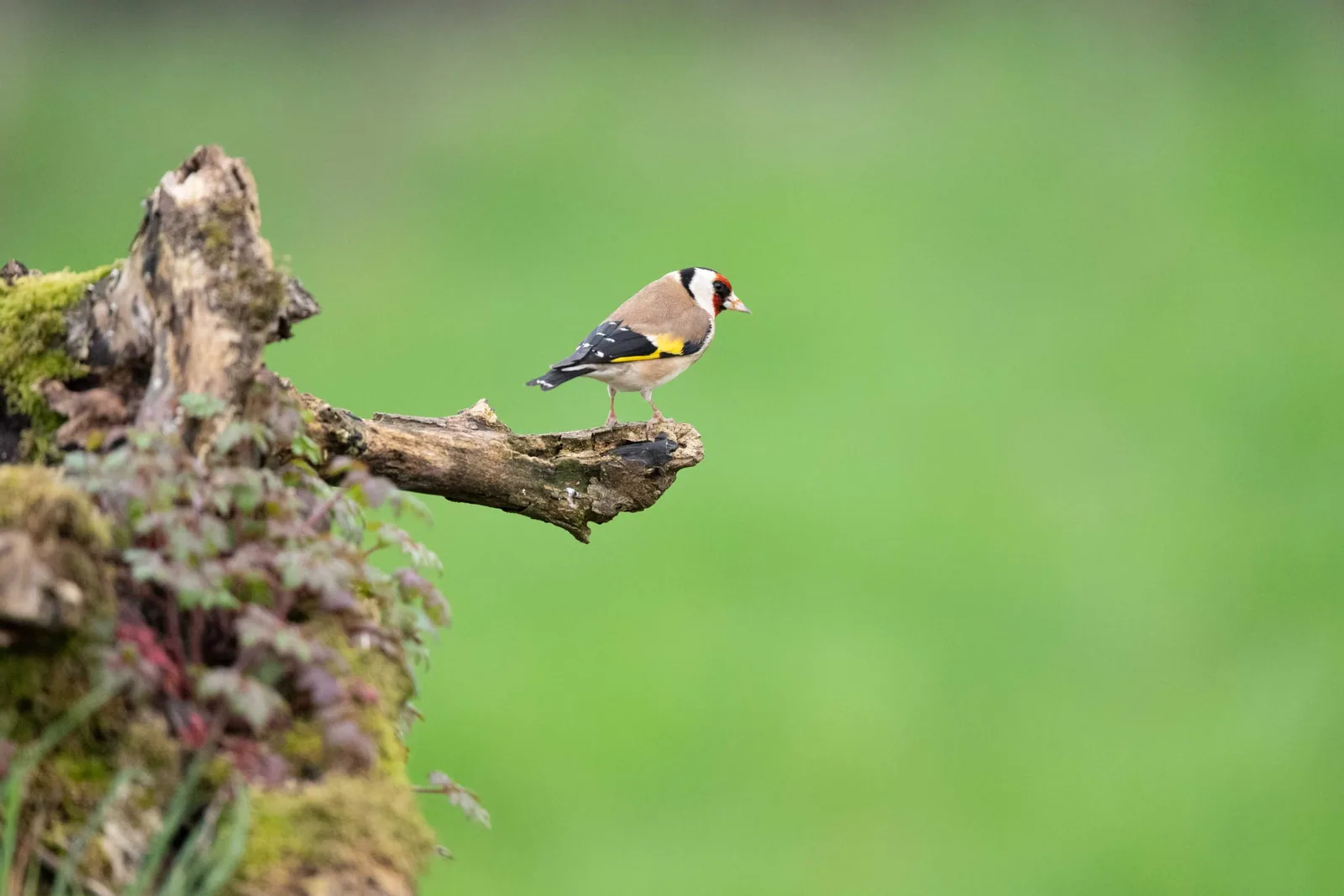
In Australia it is not a rare visitor from Europe. It is an introduced species, established in parts of the south-east, with records across jurisdictions including the ACT, NSW, Queensland, South Australia, Tasmania and Victoria. Distribution is patchy and locally variable.1, 2
It favours open and semi-open country: parklands, paddocks, roadside edges, weedy grasslands, disturbed areas and gardens that offer seed-rich plants.1, 3
Diet and feeding habits
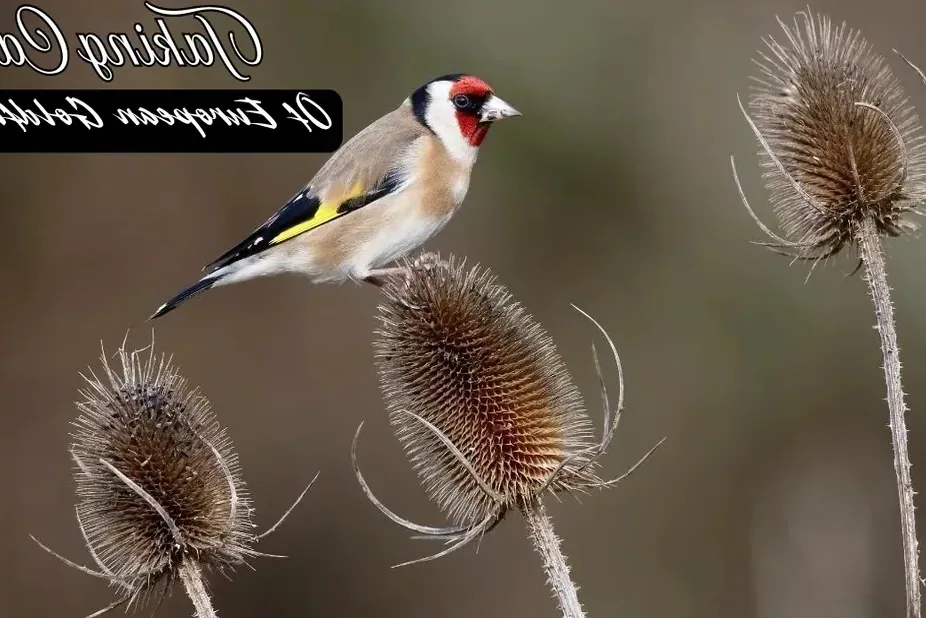
Goldfinches are built for fine seed. Their pointed bill picks small seeds from the tight heads of thistles and similar plants, and flocks will linger where seed heads have been left standing.1, 4
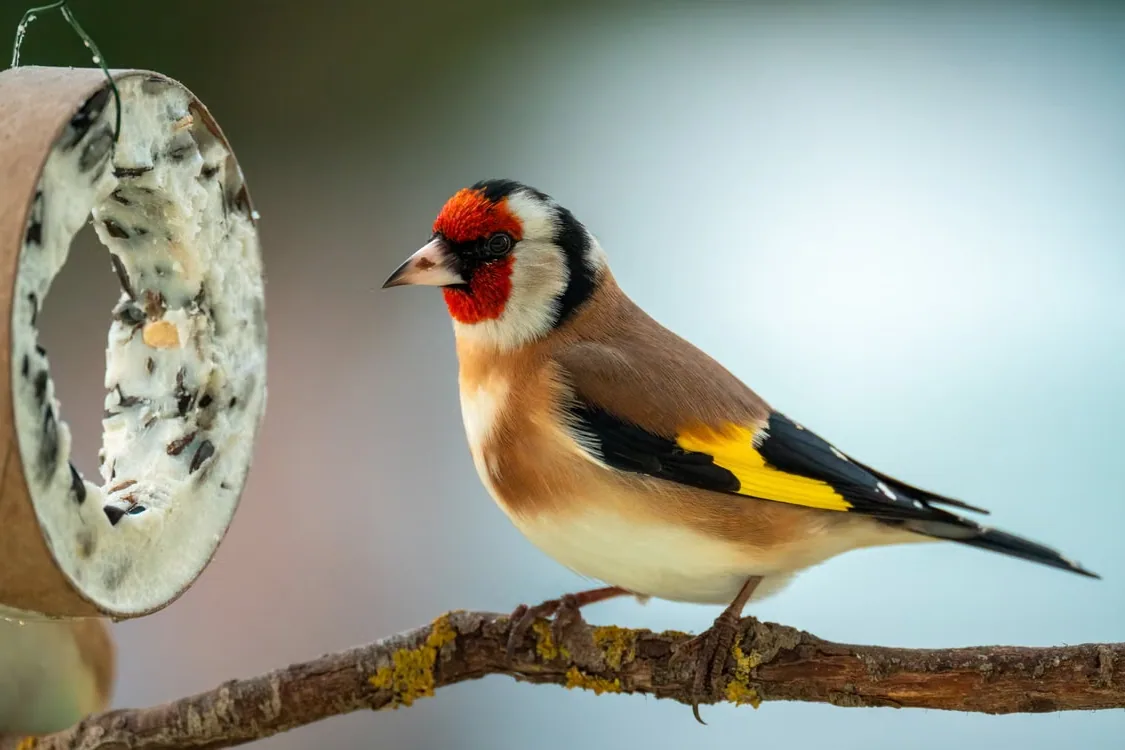
They also take insects and other small invertebrates, particularly in warmer months and around breeding, when growing chicks need extra protein.1, 5
If you want to attract them to your yard (without creating problems)
- Offer clean water in a shallow dish, refreshed often. Birds find water quickly, especially in dry spells.
- Keep some seed heads standing rather than deadheading everything at once. Goldfinches readily use teasels, thistles and other seed-bearing stems.4
- Avoid pesticides where possible. They reduce insect food and can ripple through the whole garden food web.
Important: In Australia, many thistles and other seed-head favourites can be declared weeds in some areas. Aim for locally appropriate, non-invasive plants, and follow local council or state guidance.
Breeding season and nesting behaviour
Breeding timing varies with climate and location. In south-eastern Australia, breeding activity is often reported from spring into early summer, with nests typically built in shrubs or introduced trees, tucked into outer foliage where leaves break up the outline.1
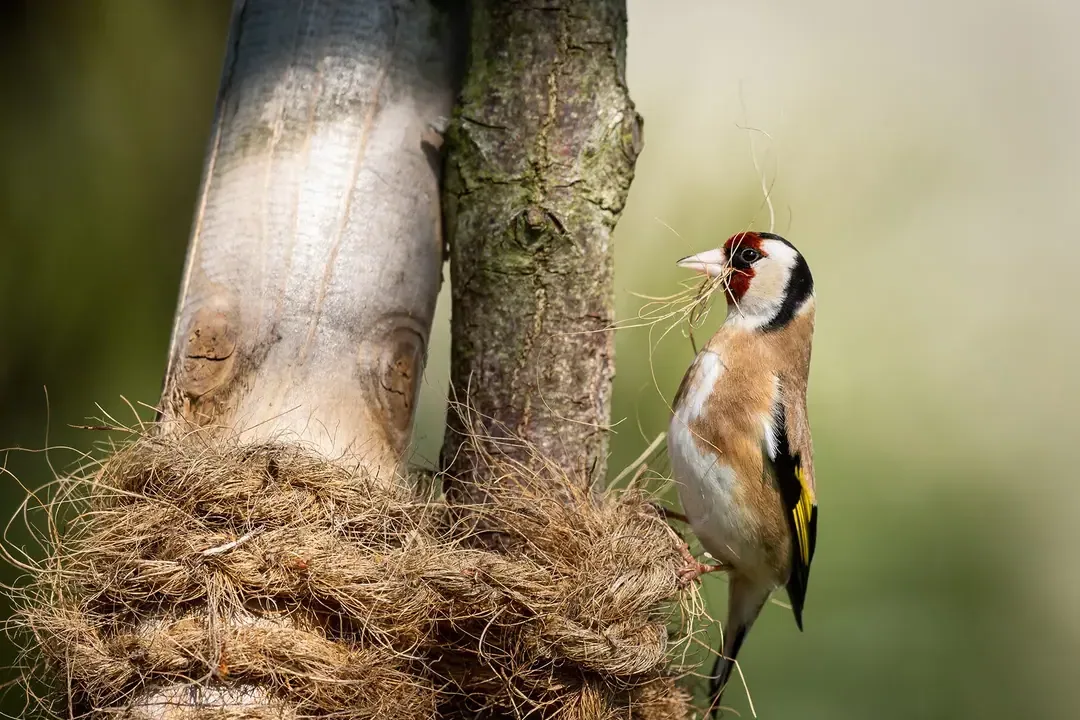
Clutch size is commonly 4 to 6 eggs, and the cycle is quick. Incubation runs around two weeks, and fledging can follow a couple of weeks after hatching, depending on conditions.5
Do European Goldfinches migrate?
Across their broad native range, European Goldfinches show a mix of strategies: some populations are largely resident, while others shift seasonally, often moving south or to lower elevations in colder months.6
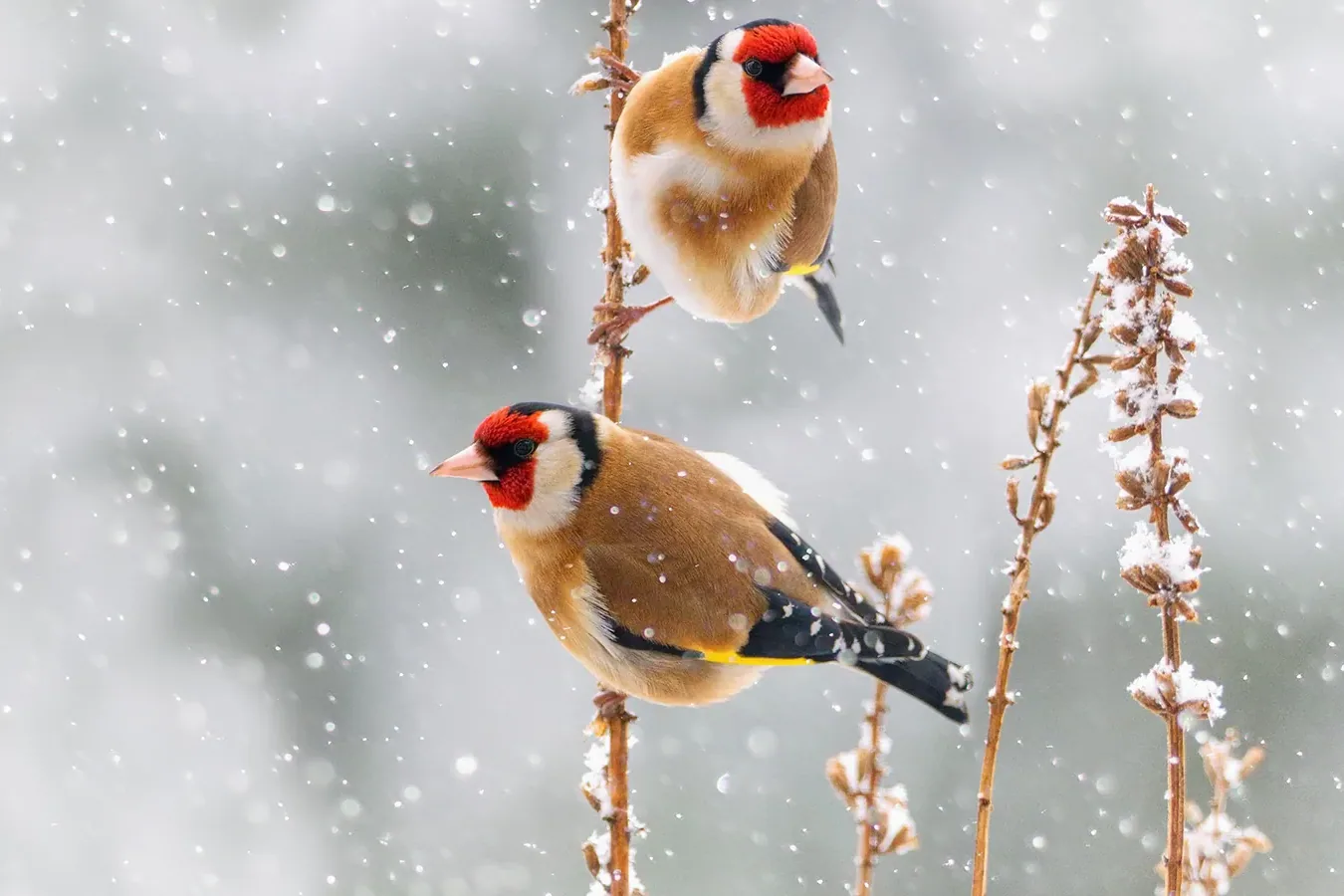
In Australia, movements are more likely to be local and seasonal than long-distance migration. Surveys around Canberra, for example, note changing numbers through the year, with flocks appearing more often at certain times after breeding.3
Conservation status: global versus local reality
Globally the European Goldfinch is listed by the IUCN as "Least Concern". That category reflects the species as a whole across its worldwide range, not what may be happening in any one region.7
In the UK, long-term monitoring shows that farmland bird species respond very differently to environmental change. Goldfinch numbers have more than doubled relative to 1970 levels in the UK farmland bird indicators, even as many other species have declined.8
In Australia the more relevant point is that the European Goldfinch is introduced. Its presence can intersect with weed dynamics and habitat change, and local abundance can rise or fall with development and land use.1, 3
Keeping European Goldfinches as pets (Australia): a reality check
You will sometimes see the European Goldfinch described as an easy, low-care pet. In Australia that framing is misleading, and acting on it can put you on the wrong side of the law.
Bringing live birds into Australia is tightly controlled for biosecurity and environmental reasons. Any legal import pathway generally involves permits, and the species must be eligible under federal environment law (the Live Import List) as well as meeting biosecurity conditions.9, 10
Even where keeping finches is legal, and that varies by state and territory and by species, good welfare is not "low care". A finch's needs are quiet but precise: an appropriate diet, space for flight, shelter from temperature extremes, hygiene, and protection from stress and predators.
If you are considering any bird as a pet, check your state or territory rules first, and speak with an avian vet about husbandry before you buy or adopt.
References
- Grasslands (Ecolinc, Victoria), European Goldfinch (Carduelis carduelis) field guide
- Australian Faunal Directory, Carduelis carduelis (European Goldfinch) distribution (introduced)
- Canberra Ornithologists Group, European Goldfinch in the ACT region (habitat, seasonal numbers, breeding timing)
- RSPB, How to provide natural food for birds (notes on goldfinches using teasel/thistle/dandelion seeds)
- Tarvin Community Woodland Trust, Goldfinch breeding notes (clutch size and timing; seed and insect use for young)
- The Wildlife Trusts (UK), Goldfinch profile (identification, size, diet, seasonal flocking and movements)
- IUCN Red List of Threatened Species, European Goldfinch (Carduelis carduelis) listing
- UK Government (GOV.UK), Wild bird populations in the UK and England (includes long-term trends showing goldfinch increases in farmland indicators)
- Australian Government DAFF, Importing your pet bird (biosecurity process; Live Import List eligibility)
- Australian Government DCCEEW, Live Import List (rules on what can be imported live)

Dog lover and writer at My Pets Australia, sharing practical breed guides and care advice for Australian pet owners.