Essential Guide to Pet Dental Care: Tips for Keeping Your Pet's Teeth Healthy
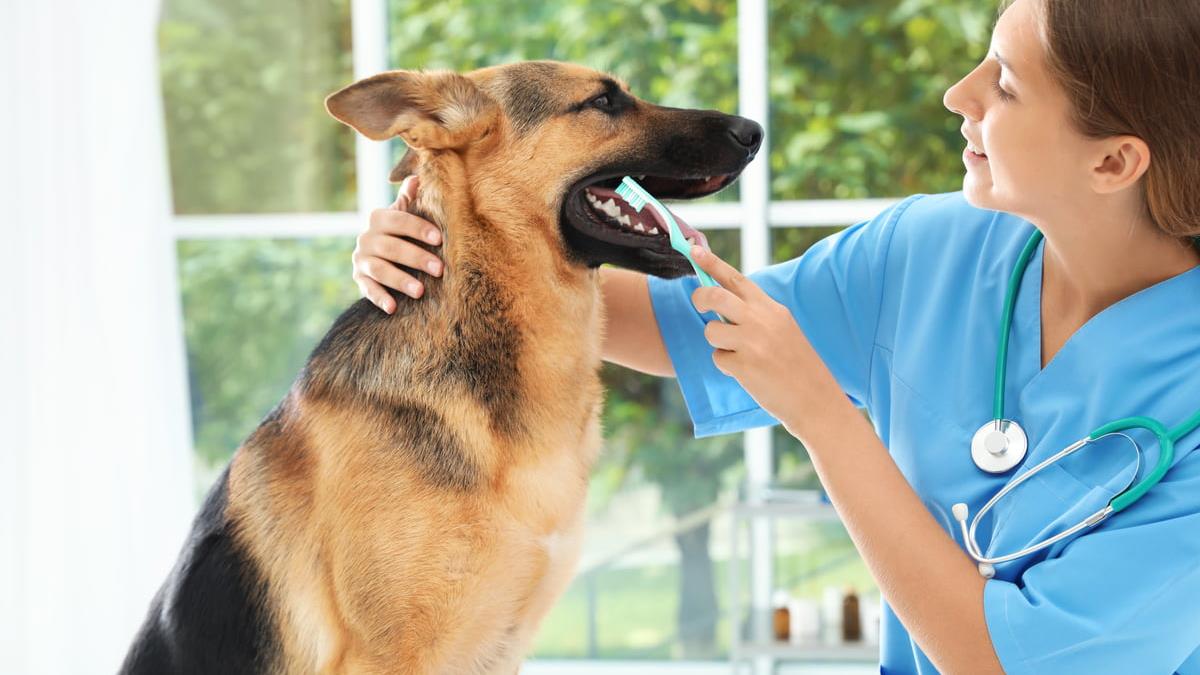
Dental disease is one of the most common health problems vets see in dogs and cats, and it is easy to miss because it usually develops quietly under the gumline. Left alone, it changes how a pet eats, plays, and copes from day to day, and by two or three years of age most pets already show some degree of it.1 The good news is that the single most useful thing you can do at home, plaque control, is cheap, simple, and genuinely effective. This guide covers what is normal in a pet's mouth, what is not, and what actually helps. It is written for Australian owners, so the diet and bones advice follows RSPCA guidance.
What is happening in the mouth
Plaque is a soft bacterial film that forms on teeth all the time. If it is not removed, it mineralises into calculus (tartar), which gives bacteria a protected surface to thrive against the gums. The usual path is gingivitis first (inflamed gums), then periodontal disease as the tissues and bone supporting the teeth start to break down.1 This is why clean-looking teeth can be misleading: the most important trouble often sits under the gumline, where you cannot see it.1, 2
Dental disease is genuinely widespread. By around age two to three, most pets already show some degree of periodontal disease, which is one reason vets take oral checks seriously even in young animals.1, 3
Signs of dental pain or disease
Pets rarely announce tooth pain. More often the signs are small and steady:
- Persistent bad breath (not just the usual odour after dinner)
- Red, swollen, or bleeding gums
- Visible tartar, especially on the back teeth
- Drooling, pawing at the mouth, or chewing on one side
- Reluctance to eat, dropping food, or preferring soft food
- Loose teeth, facial swelling, or discharge around a tooth (urgent)
If you notice these, book a vet visit. Dental disease tends to progress rather than settle, and earlier treatment is usually simpler.1
Vet dental checks and professional cleaning
A proper dental assessment is more than a glance. Vets look for gum inflammation, fractured teeth, resorptive lesions (common in cats), and signs that infection has moved deeper. When there is concern, the next step is often a dental procedure under anaesthesia so the whole mouth can be examined safely and thoroughly, including under the gumline.1, 2
Professional cleaning removes plaque and tartar above and below the gumline, then polishes the teeth to slow the re-attachment of plaque. It also allows full assessment (often with dental X-rays) and treatment such as extractions when a tooth cannot be saved.1, 2
Be wary of anaesthesia-free dentistry. It can make teeth look whiter, but it cannot safely clean beneath the gumline or properly assess disease. Veterinary guidelines describe it as inappropriate, partly because it risks stress and injury and may delay real treatment.2
There is no single perfect schedule for checks. Many pets benefit from a dental check at least yearly, while small breeds, flat-faced breeds, and pets with crowded teeth may need closer monitoring. Your vet will base the timing on what they see in your pet's mouth and how quickly tartar returns.1, 2
At-home care that genuinely helps
Daily brushing is the most effective home method for removing plaque before it hardens into tartar. Brushing does not remove existing calculus, which needs professional scaling once it is hard, but it slows down what comes next.1, 4 For most pets you only need to brush the outer (cheek-side) surfaces, aiming along the gumline where plaque gathers first.1
Getting started is easier if you build the habit slowly:
- Go slowly. Begin by touching the muzzle and lifting the lip for a second, then stop.
- Use pet toothpaste only. Human toothpaste can be unsafe if swallowed.
- Build the habit. A few gentle strokes on the outer teeth is a good first week.
- Keep it short. Thirty seconds done often beats three minutes done rarely.
Dental chews, wipes, and water additives can help, but results vary. A useful shortcut is the Veterinary Oral Health Council (VOHC) Seal of Acceptance, which indicates a product has met set standards for reducing plaque and/or tartar when used as directed.5, 6 Treat these as support acts rather than replacements for brushing, especially in pets already showing gum inflammation.1, 4
Diet, chewing, and bones in Australia
Regular dry kibble can help a little in some pets, but it is not a substitute for brushing or professional care. Specially designed dental diets can be more effective because they are made to change how the tooth penetrates the kibble and how plaque builds, though they still work best as part of an overall routine.4, 6
Chewing can reduce some surface plaque, and many dogs love it, but bones and very hard chew items can also fracture teeth, cause blockages, and introduce bacteria. Australian RSPCA advice is cautious: bones and raw meat are not recommended, and if owners choose to offer bones, they should be raw, appropriate to the dog, and supervised, never cooked bones, which can splinter and cause serious injury.7, 8
A few things worth knowing
- Bad breath is not just normal. Occasional odour happens, but persistent halitosis commonly points to dental disease.1
- Tartar is not a sign of strong teeth. It is hardened plaque, a warning sign rather than armour.1
- Pets hide pain. Many keep eating while living with dental pain, and the changes are often subtle until disease is advanced.1
- Know the numbers. Adult dogs usually have 42 teeth and adult cats 30, which helps when you are checking for broken teeth, retained baby teeth, or gaps that should not be there.9
The bottom line
Good dental care is quiet work: a quick look at the gums, a steady brushing habit, and timely vet dentistry when home care cannot reach the problem. If you are only going to do one thing, make it plaque control. Everything else becomes easier from there.1
References
- Merck Veterinary Manual (Professional Version): Periodontal Disease in Small Animals
- American Animal Hospital Association (AAHA): 2019 Dental Care Guidelines, Nonanesthetic Dentistry
- Australian Veterinary Association (AVA) / Vet Voice: Dental disease in 80% of dogs and cats over age 3
- AAHA: 2019 Dental Care Guidelines, Recommending home oral hygiene and products
- Veterinary Oral Health Council (VOHC): About the VOHC
- VOHC: Accepted Products
- RSPCA Knowledgebase: What should I feed my dog?
- RSPCA Knowledgebase: What should I feed my puppy?
- dvm360 (Proceedings): Dental anatomy and formulas (adult dog 42, adult cat 30)

Dog lover and writer at My Pets Australia, sharing practical breed guides and care advice for Australian pet owners.