Essential Bird Care Tips for Australian Bird Owners
A well kept bird is bright, busy and full of character, and for a lot of Australian households a budgie or cockatiel is the first companion animal that really earns its keep on personality alone. Most people reach for a care guide at the same moment: a bird is about to come home, or is already here, and the basics need sorting out. Those basics come down to good food, clean air, safe housing and regular vet care. The one thing to keep front of mind is that birds are light bodied with very efficient lungs, so small problems can escalate fast, which makes a calm, steady routine worth getting right from day one.
Choosing the right bird
Pick the bird that fits the life you already live, not the one you hope to have later. Size, noise, mess and lifespan all shape the day to day reality, so it pays to be honest about what you can offer before a bird arrives.
- Space: birds need room to climb, hop and fully extend their wings. Bigger parrots need substantially larger housing and more time out of the enclosure.
- Noise: many parrots are naturally loud at dawn and dusk. This is normal behaviour rather than a fault to be trained out.
- Time: most pet birds need daily social contact and enrichment to avoid boredom and stress behaviours.1
- Lifespan: many parrots can live for decades. Plan for housing changes, travel, and who will care for the bird if your circumstances shift.
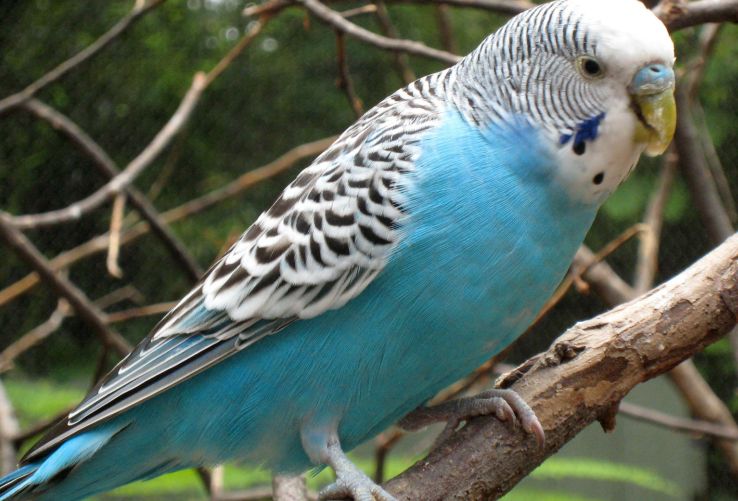
Budgerigars and cockatiels are common starter birds because they are small and adaptable, but they still need thoughtful food, clean air and daily stimulation. Rainbow lorikeets are striking and busy, yet their diet is specialised. They are built for nectar and pollen, with fruit and other foods playing a smaller role.7
Housing and environment
A cage is not just a container. It is where your bird eats, sleeps, climbs and watches the house move around it, so aim for the largest enclosure you can reasonably fit and prioritise width for movement.
- Bar spacing: choose spacing that prevents head entrapment and escapes. This varies by species and size.
- Perches: offer several perches of different diameters and textures to support healthy feet. Avoid relying on a single smooth dowel.
- Food and water placement: keep bowls away from favourite toilet perches to reduce contamination.
Birds benefit from an environment that changes gently: fresh branches from bird safe species, foraging options, and toys rotated to stay interesting.1, 2
Position matters too. Choose a spot with steady light and household presence but without constant disturbance. Avoid kitchens and anywhere fumes may build up. Keep the enclosure out of draughts, away from direct sun through glass, and protected from sudden temperature swings. If the cage is outside or in an aviary, make sure there is reliable shade and shelter from wind and rain.1
Diet and nutrition
Seeds are not a complete diet, and this is the single most common thing owners get wrong. Many illnesses seen in pet birds trace back to long term nutritional imbalance. All seed diets are a classic culprit, often too high in fat and too low in key nutrients including vitamin A, with flow on effects across skin, feathers, immunity and more.3, 4
For many commonly kept parrots, a quality formulated diet (pellets) plus a wide range of vegetables is a practical foundation, with seeds and nuts used sparingly as treats or training rewards.3, 8
Lorikeets need a different menu. In the wild they mostly take nectar and pollen, with fruit, seeds and insects making up a smaller portion.7 In captivity they generally need a dedicated lorikeet nectar diet and careful hygiene, because wet foods spoil quickly.6
Routine and hygiene round out the picture:
- Fresh water daily: clean bowls and refresh water every day. Some birds foul open bowls quickly, so hygiene matters.2, 6
- Fresh foods first: offer vegetables and other fresh foods early in the day, then remove anything that is wilting or spoiling.
- Store food properly: mouldy or poorly stored seed, and pet grade peanuts, can be dangerous. Keep feed dry, sealed and in date.3
Health and veterinary care
Birds are skilled at masking illness, so the warning signs are usually subtle. Watch for a quieter bird, less interest in food, fluffed feathers for long periods, altered droppings, tail bobbing with each breath, or sitting low and still. Nutritional disorders are common, especially in birds eating mostly seed, and can contribute to poor feather quality and chronic skin or respiratory issues.3, 4
Find an avian experienced veterinarian before you need one. Routine checks help catch weight loss, diet issues and early disease. If your bird becomes suddenly unwell, treat it as urgent, because birds can deteriorate quickly.
Behaviour, training and enrichment
Most companion bird species are social by nature. In the wild they often live in pairs or groups, and they spend much of the day moving, calling, feeding and searching for food.1 In the home that same wiring shows up as a need for company, routine and things to do. Learn your bird's baseline. The small details, such as posture, feathers held sleek or fluffed, where they choose to sit, and how they eat, often tell you more than any single sound.
Bonding works best when you do not force it. Move slowly and predictably, sit near the cage, talk softly, and offer a favourite food through the bars. Let the bird choose to approach. Trust is built from dozens of uneventful, safe interactions.
Simple, practical behaviours like a calm step up onto a hand held perch make daily care easier and reduce stress during transport or vet visits. Use positive reinforcement, such as a small treat or favourite food, and keep sessions short. Enrichment is not decoration either. It is how you give a captive bird the chance to forage, chew, shred, manipulate and explore.
- Foraging: hide part of the daily food in paper, cardboard or safe foraging toys.
- Rotation: swap toys regularly so the cage stays mentally alive.
- Natural materials: add bird safe branches and chewable items to support normal chewing and beak wear.1, 2
Grooming and maintenance
Many birds bathe readily when given the option. Offer a shallow dish of clean water, or a gentle mist if your bird tolerates it. Consistent access to bathing supports feather condition and comfort.2 If feathers look persistently ragged, greasy or broken, or if the bird is over preening, book a vet check. Feather damage is often a symptom rather than a standalone issue.
Healthy birds usually maintain their beak through daily use, chewing and climbing, so provide appropriate perches and chew items. If nails become overgrown or the beak looks cracked, misshapen or flaky, have an avian vet assess it rather than trying to fix it at home.
Safety and precautions
Some household hazards act fast and silently. Birds are extremely sensitive to airborne toxins, and fumes from overheated non stick cookware and other PTFE coated items can be deadly, sometimes within minutes. Keep birds well away from kitchens during cooking, avoid overheating non stick surfaces, and consider switching to bird safer alternatives if you cannot control the exposure risk.9
- Air quality: avoid smoke, strong aerosols and harsh cleaning fumes near the cage.
- Open water, fans, windows: supervise out of cage time. Ceiling fans and open doors or windows are common causes of injury and escapes.
- Electrical cords and small gaps: birds explore with their beaks, so assume they will test anything within reach.
Biosecurity matters when wild birds and pet birds overlap. If you notice clusters of sick or dead wild birds, do not handle them. Record the location and report it via the Emergency Animal Disease Hotline (1800 675 888).10
The bottom line
Good bird care looks quiet from the outside: clean water, good food, safe air, room to move and steady companionship. Over time these small choices add up. A bird that feels safe will eat well, sleep deeply and use its space with confidence, bright eyed, busy and unmistakably itself.
References
- RSPCA Australia, How to help your pet bird have a good life
- RSPCA Knowledgebase, How should I care for my birds?
- Merck Veterinary Manual, Nutritional Disorders of Pet Birds (Bird Owners)
- Merck Veterinary Manual, Nutritional Diseases of Pet Birds (Professional)
- Merck Veterinary Manual, Management of Pet Birds
- Merck Veterinary Manual, Feeding a Pet Bird
- BirdLife Australia, Rainbow Lorikeet (bird profile)
- Animal Welfare League Queensland (AWLQ), Birds (care and feeding guidance)
- Tree of Life Exotic Pet Medical Center, Teflon (PTFE) Toxicity in Birds
- Australian Government Department of Agriculture, Fisheries and Forestry (DAFF), Vets and bird flu

Dog lover and writer at My Pets Australia, sharing practical breed guides and care advice for Australian pet owners.