English Springer Spaniel
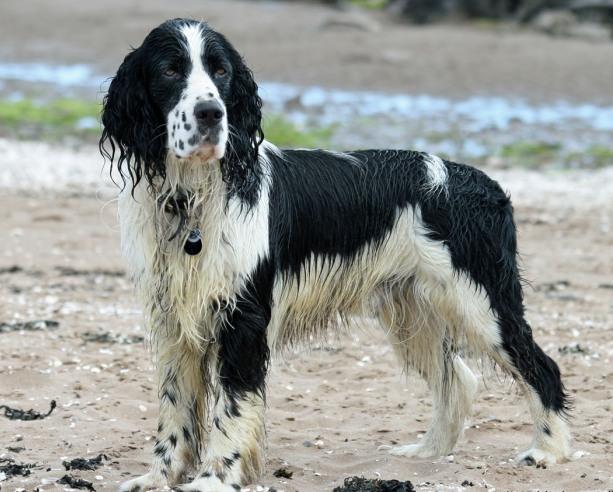
The English Springer Spaniel is a medium gundog bred to work close to people for long hours, moving through scrub and wet grass with its nose down and tail level. That heritage still shows in modern pets: they are athletic, bright, affectionate, and genuinely good company for an active household. Most are merry, sociable dogs that want to be part of whatever is happening. They are also a real commitment, because a Springer that does not get enough movement and mental work will go looking for its own, and you will not like what it finds.1, 2
History and Origin
The Springer earned its name at work. It developed over centuries as a versatile land spaniel, used to "spring" game from cover for hunters, first for nets and later for guns. By the late 1800s, spaniel types were being separated by size and purpose, and the English Springer Spaniel was recognised as a distinct breed in the early 1900s.2, 3
Despite the name, the breed comes from the United Kingdom, not Spain. In Australia you will see Springers in the field, in obedience and agility rings, and sprawled on verandahs after a long walk, still very much a working dog at heart even when the work is family life.1, 2
Appearance and Physical Characteristics
Springers are built for endurance rather than bulk: athletic shoulders, a deep chest, and a stride meant to cover ground without fuss. They stand around 51 cm at the withers and commonly weigh about 18 to 23 kg, though healthy range varies with build and conditioning.1, 4
The coat is close and weather-resistant with moderate feathering on the ears, legs and body. That is practical insulation for wet paddocks and bracken, but it collects burrs and grass seeds if you do not keep an eye on it. Common colours include liver and white, black and white, and either with tan markings. The long, hanging ears are part of the look and part of the care, because reduced airflow can leave them more prone to irritation and infection.1, 4
Temperament and Personality
The classic Springer temperament is "merry" and people-focused: alert, sociable, and keen to join in. Many are gentle with children when appropriately supervised, and they often do well with other dogs, especially when they have been thoughtfully socialised from puppyhood.3
They are also busy-minded. A Springer left under-stimulated may invent its own activities, whether digging, chewing, counter-surfing, or pacing the fence line. This is less about misbehaviour and more about a breed shaped for sustained, purposeful movement and problem-solving. They notice movement and sound and will announce a visitor, but they are not bred for guarding, and most will alert you and then look to you for what happens next.2, 3
Is an English Springer Spaniel Right for You?
Be honest about your daily rhythm before you commit. This breed suits people who like routine walks, training, and a dog that wants to be involved in everything. If your week has little room for that, honestly this is not the dog for you.
- Time: plan for meaningful activity every day, not just weekends2
- Noise and excitement: many Springers are naturally enthusiastic, so calm behaviour needs to be taught early
- Grooming tolerance: expect regular brushing and ear care3, 4
- Training style: choose reward-based methods and, if needed, a qualified trainer who works the same way5
If you are comparing breeds, consider whether you want a dog from working lines or show lines. Either can make a good pet, but energy levels and intensity differ, and you will feel that difference on a wet Tuesday when the dog still wants to run.
Training and Exercise
These dogs are not a "one short walk and done" breed. Many adult Springers need more than two hours of activity each day, especially from working lines, so think of exercise as a mix of steady movement, bursts of speed, and time to sniff and search.2
Good daily outlets often include:
- long walks with time to explore safely, on lead or in secure areas
- retrieve games kept structured, so they do not become frantic
- scent work and food puzzles
- training sessions broken into short, clear blocks
Springers are typically highly trainable, with a quick eye for patterns and routines. They respond best to reward-based training: clear markers, consistent cues, and reinforcement for the behaviour you want repeated. Harsh or aversive techniques can increase stress and risk fallout behaviours, which is why veterinary behaviour experts recommend reward-based methods for training and behaviour modification.5
Early priorities that pay off for life include recall (especially around birds, smells and moving distractions), loose-lead walking, settling calmly indoors, and gentle handling practice for ears, feet, nails and grooming. Puppies need careful, age-appropriate exercise to protect developing joints, and your vet can help you match activity to growth stage and body condition.6
Health and Lifespan
Springers often live 10 years or more, with many reaching the low teens on good care. No breed is problem-free, and there are a few conditions worth knowing about.2, 3
- Hip dysplasia and other joint issues, which can contribute to pain and arthritis over time6
- Ear disease (otitis), which can be more common in dogs with long, hanging ears4
- Inherited eye conditions, which is why reputable breeders screen and provide health documentation3
If you are buying a puppy, ask the breeder what health testing they do and request evidence, not just verbal reassurance. If you are adopting, talk to your vet early about a baseline exam, weight management, and an exercise plan that supports joints rather than punishing them.
Grooming and Care
A Springer's coat is manageable, but it is not maintenance-free. Weekly brushing, more during shedding seasons, helps prevent mats in the feathering and makes it easier to spot grass seeds, ticks and small skin problems early.3, 4
- Brush and comb: focus on the ears, chest, belly, backs of legs, and tail feathering
- Ear checks: look for redness, odour, discharge, or frequent head-shaking, and ask your vet about safe cleaning
- Nails: regular trims to keep the feet comfortable and movement efficient
- Coat tidying: occasional trimming around the feet and feathering, with a professional groomer if you prefer
A Few Things Worth Knowing
- Breed type is gundog (spaniel), and the country of origin is the United Kingdom despite the name.1
- In the field the Springer quarters through cover to flush birds into flight, then retrieves when trained for it. That pattern of move, search, return, repeat is easy to recreate at home through scent games and structured off-lead time.2, 3
- They make alert watchdogs but not guard dogs, so expect a warning rather than a defender.2
The Bottom Line
The English Springer Spaniel is a steady, athletic dog designed for long days with people. Give them movement, scent work, and calm, consistent training, and they settle into family life with a bright, easy presence. Short-change the basics and they will keep searching for something to do, because that is what they were made for.2, 3
References
- Dogs Australia (ANKC) · English Springer Spaniel breed standard
- The Kennel Club (UK) · English Springer Spaniel (breed information)
- American Kennel Club (AKC) · Is the English Springer Spaniel the right fit for you?
- PDSA · English Springer Spaniel (breed information and common health issues)
- American Veterinary Society of Animal Behavior (AVSAB) · Position statements (including Humane Dog Training)
- RSPCA Australia · What is hip dysplasia?

Dog lover and writer at My Pets Australia, sharing practical breed guides and care advice for Australian pet owners.