Dutch Warmblood
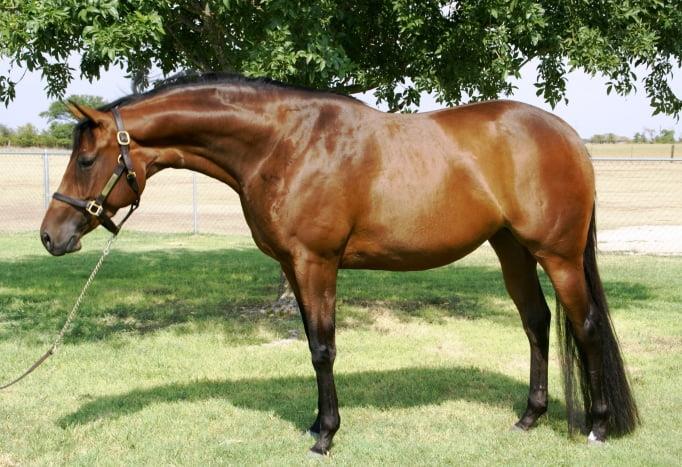
The Dutch Warmblood, registered through the KWPN (the Royal Warmblood Studbook of the Netherlands), is one of the world's leading sport horses: tall, athletic, and bred to move. People look them up when they want something elastic enough for dressage, careful enough to jump, and steady enough to live with day to day. What sets the breed apart is not a single look but a breeding program with clear goals, strict selection, and a long paper trail. Two Dutch Warmbloods can appear similar and still differ in breeding direction, veterinary screening and temperament, so the pedigree behind the horse matters as much as the horse in front of you.1
Dutch Warmblood at a Glance
- Origin: The Netherlands, registered through the KWPN (Royal Warmblood Studbook of the Netherlands).1
- Typical height: Commonly around 15 to 17 hands, with many sitting near 16.2 hands.2
- Typical weight: Often around 550 to 600 kg, varying by type and build.2
- Colours: Bay, chestnut, black and grey are common, and white markings occur.2
- Common uses: Dressage and show jumping most often, also eventing, driving and other sport disciplines.1
- Typical lifespan: Often 25 years or more with good care.2
History and Origin
The modern Dutch sport horse is a product of changing priorities. As breeding goals shifted away from farm and carriage work towards performance riding, Dutch mares were matched with selected stallions from other European lines to produce horses suited to the emerging international sport disciplines. Over time the KWPN formalised this into a structured breeding program with clear selection steps and ongoing evaluation, focused on jumpers, dressage horses and related types under defined breeding goals.2
This is why "Dutch Warmblood" is best understood as a studbook rather than a single closed breed. In everyday riding talk it means a modern European sport horse with an uphill frame, elastic movement and scope over a fence. In practice it usually means a horse registered, or eligible to be registered, with the KWPN, one of the world's major sport-horse studbooks.1
Appearance and Physical Characteristics
A typical Dutch Warmblood is a tall, athletic horse with a longer outline, a neck that tends to come up from the shoulder, and hindquarters built to sit and push. Under saddle, many are known for a big, elastic trot and a canter with enough jump to package for collected work or open up to cover ground. Type varies with breeding direction, training and the individual horse's build:
- Dressage-leaning lines: more expression in the trot, more potential to "sit", and a tendency towards sensitivity.
- Jumping-leaning lines: quicker reflexes, carefulness, scope, and a canter that carries rhythm and power.
Temperament and Personality
Dutch Warmbloods are bred for rideability, which is the trait that keeps them useful for sport. Most are trainable, forward and manageable, though individuals vary and breeding direction shapes the tendency. Dressage lines can be sharper and finer-skinned, while jumping lines often bring quick reflexes and carefulness. None of this is a personality guarantee, so judge the horse in front of you rather than the label.2
The KWPN Breeding and Selection System
The KWPN selection process is not a single yes or no moment. It is staged, and it keeps collecting information as a stallion's career and offspring develop, covering conformation, movement, veterinary findings, performance and, later, how the offspring actually turn out.3
Before a stallion can progress, the KWPN requires specific veterinary examinations, including radiographic screening and other checks, along with additional requirements around soundness and suitability for breeding. The details vary with the program and year, but the intent is consistent: reduce the odds of breeding forward unsoundness and poor functionality.3 Stallion approval also involves performance evaluation of natural sport ability and temperament, using structured assessments and experienced riders' input. The KWPN has adjusted how young stallions move through testing in recent years, including changes scheduled from 2025 for certain spring tests for three-year-olds.4
Early promise still has to hold up once foals are on the ground. The KWPN conducts offspring inspections at multiple stages, including foal age and later years, building a picture of what a stallion reliably produces in movement, conformation and sport talent. Final decisions on long-term approval can come later, once there is enough progeny data to judge fairly.5
Training and Exercise
Dutch Warmbloods are bred to be athletes, and many respond best to training that is steady, specific and fair. The goal is not to hold the movement together but to organise it: rhythm first, then balance, then power. When the basics settle, the flash tends to appear on its own.
- Short, clear sessions suit many young horses better than long drilling.
- Strength before difficulty: build the back and hindquarters gradually before asking for big collection or big fences.
- Variety matters: hacking, poles, hill work and turnout help keep bodies and minds steady.
Health and Lifespan
Dutch Warmbloods are often robust as a population, but that is not the same as being immune to trouble. As large, athletic sport horses they can be vulnerable to the same problems seen across performance horses, especially where training load, footing, nutrition, shoeing and genetics intersect. With good care many live 25 years or more.2
Practical watch-points for many sport horses include:
- Orthopaedic wear and injury: joint and soft-tissue strains can accumulate with jumping and collected work.
- Colic risk: a concern for all horses, where management, forage access and routine changes all matter.
- Hoof and laminitis risk: influenced by diet, weight, endocrine status and pasture management.
If you are assessing a purchase, a thorough pre-purchase exam, including imaging where appropriate, is usually more useful than leaning on breed reputation alone.
Diet and Nutrition
Keep feeding ordinary and consistent. Most Dutch Warmbloods do well on normal, high-quality horse management: plenty of forage, thoughtful conditioning, regular hoof care, dental checks, and vaccinations and worming appropriate to your region.2
- Forage first: good pasture and quality hay as the base of the ration.
- Concentrates as needed: add hard feed for workload, growth or body condition, then reassess regularly.
- Supplements: only where they solve a real problem, such as a confirmed dietary gap.
Is a Dutch Warmblood Right for You?
These are purpose-bred sport horses, and they suit riders with a genuine sport goal and the time, budget and facilities to support an athlete. If you want a competitive dressage or jumping partner and can commit to steady, structured work, a well-chosen Dutch Warmblood is hard to beat. If you want a low-maintenance paddock companion, this is more horse and more program than you need.
In Australia you will see imported KWPN horses, locally bred horses carrying KWPN bloodlines, and Australian Warmbloods registered through Australian organisations. The Australian Warmblood Horse Association (AWHA) is one long-standing national body and a full member of the World Breeding Federation for Sport Horses (WBFSH), which supports pedigree recognition and connection to international sport-horse breeding systems.9
A Few Things Worth Knowing
- Totilas (KWPN) is a widely recognised Grand Prix dressage stallion from the Netherlands.6
- Valegro (Dutch Warmblood) is a world champion dressage gelding ridden by Charlotte Dujardin. He died in December 2025.7
- Nino des Buissonnets often appears in lists of top sport horses, but he is recorded as Selle Français in the FEI database, not a Dutch Warmblood.8
The Bottom Line
A good Dutch Warmblood is easy to recognise in motion: a ground-covering walk, a trot that swings through the body, and a canter that feels like it can lift the shoulders and wait. The breeding program stacks the odds in your favour, but the individual horse still tells the truth through soundness, rideability and what it does every day when the work is ordinary.
References
- KWPN (Royal Warmblood Studbook of the Netherlands), official site
- PetMD: Dutch Warmblood (updated 20 September 2024)
- KWPN: Stallion selection (selection program overview and veterinary requirements)
- KWPN: Stallion performance testing
- KWPN: Offspring inspections
- Totilas (Dutch Warmblood/KWPN), overview
- Valegro (Dutch Warmblood), overview
- FEI horse database: Nino Des Buissonnets (studbook listed as SF)
- Australian Warmblood Horse Association (AWHA): About us (WBFSH membership and objectives)

Dog lover and writer at My Pets Australia, sharing practical breed guides and care advice for Australian pet owners.