Dutch Shepherd Dog
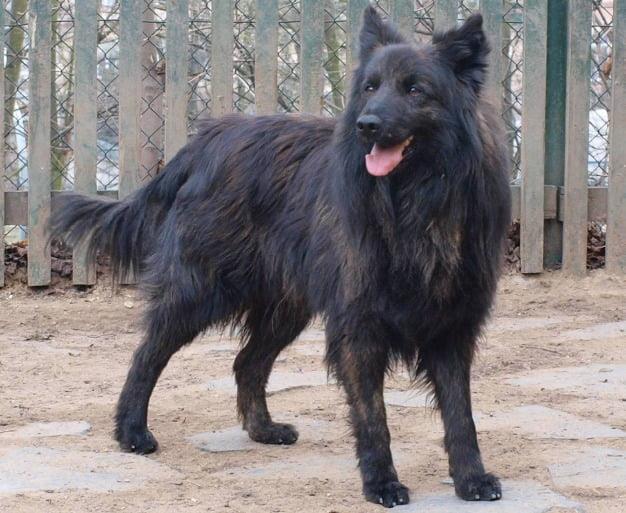
The Dutch Shepherd (Hollandse Herdershond) is a medium-sized, athletic herding dog from the Netherlands, bred to trot all day, turn on a coin and stay switched on without being told. Get one that suits your life and you have a steady, capable partner that learns fast and handles real work with quiet focus. It is also a genuinely high-drive dog, and a bored one will invent its own jobs: digging, pacing, barking and dismantling the garden. What follows is a plain snapshot of size, coat, temperament, training and the health checks worth asking about, grounded in recognised breed standards rather than internet folklore.1, 2
Quick facts: Dutch Shepherd (Hollandse Herdershond)
- Size: Medium-sized, middle-weighted, athletic build.1
- Height (at withers): Dogs 57 to 62 cm; bitches 55 to 60 cm.1
- Coat varieties: Short-haired, long-haired, and rough- or wire-haired.1
- Colour: Brindle (gold or silver bases are typical in standards). A black mask is preferred; heavy white markings are undesirable.1
- Temperament (in plain terms): Loyal, reliable, alert, active, able to work closely with a handler while also thinking independently.1
- Typical roles: Herding, and a long history in service work such as police, search and tracking and related disciplines, depending on training and lines.1
History and Origin
The Dutch Shepherd developed in the Netherlands as a general-purpose farm and herding dog, expected to trot all day, turn quickly, and stay attentive without constant direction. The first breed standard dates to 12 June 1898, and the modern standard still leans heavily towards a functional working animal rather than a decorative one.1
Appearance and Physical Characteristics
A Dutch Shepherd should look like a dog built to move: well-muscled, balanced, and made for endurance. The body is slightly longer than tall, suiting a steady trotting gait over distance.1
Coat types
- Short-haired: Hard, close-fitting coat with a woolly undercoat; a visible ruff, breeches and a feathered tail are expected.2
- Long-haired: Long, straight, close-lying hair (harsh to the touch) with undercoat; the tail is heavily coated.2
- Rough- or wire-haired: Dense, harsh, tousled coat with undercoat; facial furnishings (beard and moustache) and distinct eyebrows are part of the type.1
Colour: correcting a common misconception
You will often see Dutch Shepherds described as coming in "black" or "blue with tan points". In the Dogs Australia breed standard, the accepted pattern is brindle (on a golden or silver base), with too much black considered undesirable and heavy white markings discouraged.1
Temperament and Personality
The breed standard describes a dog that is very loyal and reliable, always alert and watchful, active, intelligent, persistent, and prepared to be obedient, while still able to deal independently with tasks given to it.1
In everyday life, that usually means a dog that notices everything and learns quickly. It can be steady with its people, but it is rarely a park-bench snoozer by default. If the environment is flat and predictable, the dog tends to make its own stimulation: digging, pacing, barking, dismantling the garden, or rehearsing fence-line patrols.
Is a Dutch Shepherd Right for You?
This is not a casual purchase. The Dutch Shepherd is at its best when life includes training, structure, and a job that uses its nose and brain. If you have the time and interest for daily physical work and daily thinking work, and you want a dog that stays close and learns fast, it can be an excellent match. If you want a low-maintenance pet that will settle for a short walk and a quiet afternoon, honestly, look elsewhere. A powerful, under-stimulated working dog becomes a problem for the whole household.
Training and Exercise
Dutch Shepherds are typically easiest to live with when they get both daily physical work and daily thinking work. Long, slow exercise (walking, trotting beside a jogger, hiking) suits their build and original purpose, but mental strain matters just as much: training sessions, scent games, structured obedience, tracking, and sport foundations.
Training approach that suits the breed
- Start early and keep it consistent. This breed quickly learns patterns, good and bad.
- Reward-based training works well. Short sessions, clear criteria, calm repetition.
- Socialisation is not optional. Aim for neutral, controlled exposure to people, dogs, surfaces, sounds, vehicles, and handling.
Hot-weather exercise: an Australian reality check
Across much of Australia, the biggest training mistake is simply working the dog too hard in heat. Plan sessions early or late, watch for heavy panting, drooling, weakness, vomiting or collapse, and treat suspected heat stress as urgent: cool the dog with cool (not icy) water, move it to shade or air conditioning, and contact your vet promptly.3
Health and Lifespan
Dutch Shepherds are often described as hardy, but no active working breed is immune to inherited conditions. The sensible approach is to choose breeders who test and can show results, and to keep your own dog lean and well-conditioned.
Commonly discussed issues
- Hip and elbow dysplasia: Ask about radiographic screening and documented results. Proper positioning and (often) sedation for quality films are part of reliable assessment.4
- Eye disease: Breed communities commonly use formal eye examination schemes; ask what eye testing has been done in the line and how often dogs are rechecked over time.5
If you are buying a puppy, it is reasonable to ask for copies of hip, elbow and eye results for the parents, plus a plain explanation of what those results mean for risk. That is not a promise of perfection, just informed odds.
Grooming and Care
Grooming is mostly about coat type and season. All varieties benefit from regular brushing to lift out dead undercoat and reduce matting and skin irritation.
- Short-haired: Usually the lowest-effort: weekly brushing, more during seasonal shedding.
- Long-haired: Brush several times a week, paying attention behind the ears, feathering, and breeches.
- Rough- or wire-haired: The Dogs Australia standard notes the wire coat should be hand-plucked on average twice a year (rather than clipped, if you want to maintain texture).1
Bathe only as needed. Nails, ears and teeth are the quiet maintenance that keeps a working dog comfortable.
A Few Things Worth Knowing
- In Australia, Dogs Australia publishes the breed standard describing size, coat varieties, brindle colour requirements, and the temperament expected of a functional shepherd dog.1
- Internationally, the Fédération Cynologique Internationale (FCI) lists the Dutch Shepherd Dog (Hollandse Herdershond) as a recognised breed with three coat varieties.6
- In the United States, the Dutch Shepherd appears in the American Kennel Club's Foundation Stock Service (FSS), a recording system used as breeds work towards full AKC recognition; FSS breeds are not eligible for AKC registration.7
The Bottom Line
The Dutch Shepherd is a capable, observant, athletic dog that rewards owners who give it work. Include training, structure, and a job that uses its nose and brain, and you will likely find a partner that stays close, learns fast, and handles real work with quiet focus. Skip that, and you will spend your time managing a frustrated dog instead of enjoying a good one.1
References
- Dogs Australia (ANKC): Dutch Shepherd Dog breed standard
- Fédération Cynologique Internationale (FCI): Dutch Shepherd Dog (Hollandse Herdershond) listing
- RSPCA NSW: Heat stress in pets (signs and first aid)
- Orthopedic Foundation for Animals (OFA): Hip screening procedures (radiographs and positioning)
- British Veterinary Association / Kennel Club: Eye Scheme information
- United Kennel Club (UKC): Dutch Shepherd breed standard
- American Kennel Club (AKC): Foundation Stock Service (what it is and how it relates to recognition)
- American Kennel Club (AKC): Foundation Stock Service breeds (general FSS notes)
- World Small Animal Veterinary Association (WSAVA): Global Nutrition Guidelines

Dog lover and writer at My Pets Australia, sharing practical breed guides and care advice for Australian pet owners.