Discovering Warmblood Horse Breeds: A Comprehensive Guide
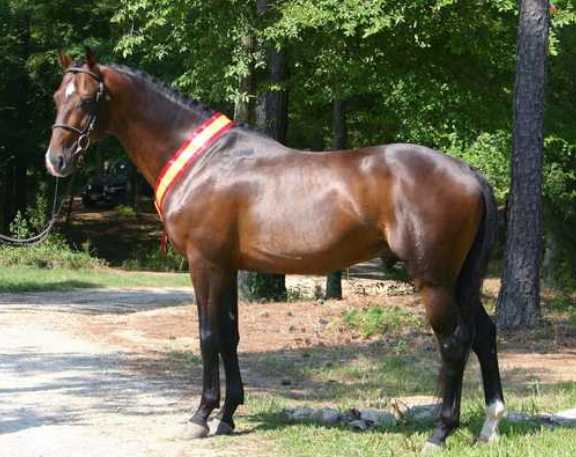
Warmbloods are the horses you see winning at the top of dressage, showjumping, and eventing, bred for generations to move well, jump cleanly, and keep their heads under pressure. The word describes a type, not a single breed: European sport horses built by crossing lighter "hot-blood" lines like Thoroughbred and Arabian with heavier, calmer foundation stock, then selecting hard for athletic ability and rideability. They come in a range of sizes, colours, and temperaments, registered through studbooks such as the Hanoverian, Dutch Warmblood (KWPN), Holsteiner, Trakehner, and Oldenburg. If you want a genuine sport partner with power and trainability, a warmblood is a strong choice. It is also a serious commitment of time, fitness work, and money.
History and Origin
Warmblood breeding took shape across mainland Europe, in regions that needed a versatile horse for farm and carriage work and later for cavalry. As agriculture mechanised, many programs shifted their focus toward sport, keeping the same careful selection but aiming it at rideability, jumping technique, and expressive gaits.
The strongest influence today is performance-based selection. Stallions and mares are assessed, often with veterinary screening and performance testing, and only the horses that move, jump, and cope well with training are favoured for breeding. That is why warmbloods sit in the middle of the horse spectrum: more power and bone than racing types, usually more speed and elasticity than draught breeds.
Appearance and Physical Characteristics
Warmbloods are commonly seen around 15.2 to 17.2 hands, though there is real variation by studbook and bloodline. The build tends to be:
- Balanced and athletic, with a deep girth and good length of rein.
- Well-muscled through the hindquarter, built for carrying power rather than sprinting.
- Elastic in movement, often with clear rhythm and noticeable suspension, especially in dressage-bred lines.
Coat colours span the usual range: bay, chestnut, brown, black, and grey. Colour is not what makes a warmblood. The purpose-bred frame and way of going is.
Temperament and Personality
Warmbloods are often described as calm, intelligent, and willing. In practice, "rideable" means the horse can concentrate, accept correction, and recover from surprises without staying anxious. It does not mean every warmblood is beginner-safe, or that they all share the same sensitivity.
Many warmbloods mature a little later than lighter breeds. Given consistent handling, fair boundaries, and regular work, they tend to become steady, dependable partners. Poorly managed, they can still turn tense, strong, or sour, especially when pain or overfacing is part of the picture.
Is a Warmblood Right for You?
These horses reward riders who can offer routine, patience, and honest schooling. Their conformation and training temperament suit disciplines built on repetition and precision, which is why they dominate many English sports:
- Dressage, for expressive gaits and trainability.
- Showjumping, for power, technique, and carefulness.
- Eventing, especially at lower and mid levels; top levels often include more Thoroughbred blood for speed and endurance.
- Hunting and pleasure riding, when selected for sensible minds and soundness.
Be honest about what a sport horse costs to keep sound: farrier, dental, vet, feed, and enough of your week to keep it fit and worked. A warmblood is not a low-input paddock companion, and a green or sensitive one is not a first horse. Matched to the right rider and job, it will stay sounder, train more smoothly, and settle into the work. Mismatched, it can mean frustration, vet bills, and a horse that never quite finds its feet.
Training and Exercise
Warmbloods thrive on routine that still has variety inside it. They do best when fitness is built patiently and work stays clear and fair: good warm-ups, frequent walk breaks, and enough turnout to let the body decompress. A practical weekly rhythm for many adult warmbloods in work mixes:
- flatwork focused on rhythm, straightness, and strength
- pole work or small jumping schools, suitable even for dressage horses when appropriate
- easy hacks for aerobic fitness and mental freshness
- rest days or very light days
If behaviour changes suddenly, such as napping, bucking, or reluctance to go forward, assume discomfort first. Check saddle fit, feet, and back before you escalate the training.
Health and Lifespan
Many horses live well into their 20s, and some into their 30s, but lifespan depends heavily on workload, hoof care, dental care, pasture management, and injury history. A sensible expectation for a well-managed sport horse is often somewhere in the 20 to 30 year range, with performance longevity varying by discipline and intensity.
Warmbloods are not fragile by default, but their sport-horse build and selective breeding mean a few issues come up often enough to keep on your radar:
- Developmental joint disease (osteochondrosis/OCD) is reported in warmblood populations, and is part of why many studbooks and buyers rely on screening radiographs.3
- Degenerative joint wear and lameness can develop over time in horses doing intensive jumping or collected dressage work, especially if conditioning, surfaces, and farriery are inconsistent.
- Colic is a risk for all horses. Consistent forage intake, clean water, and avoiding sudden diet change are the quiet basics that matter most.4
Preventative care that actually helps:
- Hooves: regular farrier visits, with attention to balance and workload.
- Teeth: routine dental checks, especially for a horse in a bit and doing contact work.
- Parasites: a vet-guided worming strategy and paddock hygiene, including manure removal.1
- Vaccination: follow a veterinarian's program suited to your region and risk. In Australia, tetanus and strangles cover is standard for most horses.5, 7, 8
Diet and Nutrition
Most warmbloods do best when forage is the foundation. Good quality hay or pasture supports gut health, steadier energy, and more consistent behaviour under saddle. Concentrates and hard feed are best treated as tools: useful for horses in heavier work, but easy to overdo. A few principles hold up for most horses:
- Forage first: prioritise hay and pasture, then add energy only if workload demands it.
- Small, consistent feeds: sudden changes and large grain meals increase digestive risk.4
- Water and salt: constant access to clean water, and salt to support hydration, especially in heat and work.
- Adjust to the individual: body condition, temperament, ulcer history, and workload matter more than breed labels.
If you are feeding for competition, it is worth asking your vet or an equine nutritionist to check that the diet meets energy needs without pushing starch too high.
Grooming and Care
Grooming is less about shine and more about observation. A few minutes of steady brushing can reveal early heat, swelling, rubs, rain scald, or a tender back before it becomes a lameness problem.
- Daily check: eyes, legs, hooves, appetite, manure, and attitude.
- Seasonal shedding: grooming increases during coat change; avoid overheating under rugs and make sure shade and shelter are available.
- Housing: turnout matters for joints, gut motility, and mental steadiness; stabling needs ventilation and safe space.1
A Few Things Worth Knowing
- Warmblood is a type, not a breed. Different studbooks have different assessment standards and breeding goals.
- One of the best-known warmbloods is Valegro, a Dutch Warmblood gelding ridden by Charlotte Dujardin, who won major titles including Olympic gold medals in 2012 and 2016.2, 6
- Records for individual horses can be summarised differently depending on the source. For competition history, the most reliable trail is usually official federation reporting and event results.
The Bottom Line
Warmbloods earned their place at the top of English sport through generations of selection for movement, jump, and a workable mind. For a rider with the time, budget, and schooling to match, they make honest, capable partners across dressage, showjumping, and eventing. They are not a shortcut and not a low-maintenance option. Choose one for the job you actually ride, keep it sound with steady management, and it can stay with you for decades.
References
- RSPCA NSW, How to Care for Your Horse
- FEI, Charlotte Dujardin becomes first Briton to lead world dressage rankings (Valegro)
- Equine Veterinary Journal (PubMed), Prevalence and heritability of osteochondrosis in Swedish Warmblood horses
- MSD Veterinary Manual, Overview of colic in horses
- American Association of Equine Practitioners (AAEP), Vaccination Guidelines
- FEI, Dujardin and Valegro win Freestyle gold (World Equestrian Games 2014)
- Zoetis Australia, Equivac 2in1 (tetanus/strangles) product information
- Virbac Australia, Routine vaccination in horses (tetanus and strangles)

Dog lover and writer at My Pets Australia, sharing practical breed guides and care advice for Australian pet owners.