Discovering the World of Pony Club: A Guide for Enthusiasts
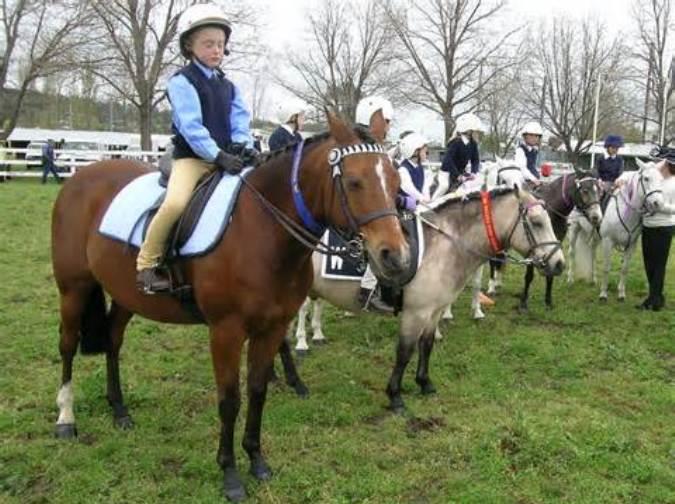
Pony Club is community sport built around horses, teaching kids and adults to ride while also teaching them how to look after the animal underneath them. In Australia it runs as a volunteer network of local clubs, backed by state bodies and a national organisation, with a clear certificate pathway and competitions that stretch from a local gymkhana all the way to a national championships. Most people find it through a first membership question: is my child ready, what happens at a rally, what will we need to bring. This guide sticks to the practical realities behind the glossy photos. It is a genuinely good way to learn horsemanship, and it also asks for regular time from the whole family.1, 2
What Pony Club Australia is
Pony Club Australia (PCA) is the national organisation that supports Pony Club activities across the country through state and territory bodies and their local clubs. It is best understood as regular grassroots sport: rally days, coaching, horse care education, and a structured set of certificates that help riders progress in both riding and horsemanship. The emphasis on horse management, not just time in the saddle, is what sets it apart from a standard riding lesson.1, 2
A brief history in Australia
The Pony Club idea began in England in 1929 and spread quickly. In Australia, the first recorded Pony Club was formed at Ingleburn, New South Wales, in 1939.2
Individual states then formed their own associations. Pony Club NSW, for example, lists its establishment year as 1946, which shows how the movement grew from scattered local clubs into state-wide structures.3
How Pony Club is structured
Pony Club is layered, so daily life feels local while the rules and education stay reasonably consistent.
- Local clubs run rally days, coaching, certificate work, and local events.
- State and territory bodies coordinate competition pathways, coaching support, and administration, often through zone or area structures.3, 4
- Pony Club Australia provides national education and accreditation, national-level competitions, and shared standards and resources.1
Volunteers sit at every level. Parents and community members commonly help with administration, events, and the practical routines that keep horses and riders safe and organised on busy days.
What happens at a typical rally day
A rally day usually starts quietly, with the checks that make riding safer. Horses are looked over, tack is checked, and riders are expected to be properly dressed and ready before they mount. Many clubs run a formal gear check at the start of mounted activities and at events.6
Mounted sessions depend on the club, its facilities and its instructors, but commonly include flatwork for position and control, pole work, jumping skills, games, or discipline-specific training. Alongside the riding there is steady attention to horse management: grooming, saddlery care, feeding basics, and safe handling.
Activities and competitions
Pony Club is not a single discipline. Across Australia the activities can include dressage, showjumping, eventing and sporting-style days, plus education-focused competitions such as quiz.5
At the national level, PCA runs a biennial National Championships that brings teams together across multiple disciplines, including Dressage, Showjumping, Eventing, Mounted Games, Tetrathlon, Quiz and Formal Gymkhana.5
The proficiency certificates
Progress at Pony Club is measured through proficiency certificates. PCA describes eight levels: E as an optional entry level, then D, D*, C, C*, K, B and A. They are designed to build skills step by step, covering riding and horse management rather than riding alone.7
State bodies align with this national structure. Pony Club Victoria, for example, sets out the same sequence and notes that the A Certificate is recognised internationally.8
Safety: what to expect and what to check
Horses are large, quick animals with their own balance and reflexes, so safety is treated as routine rather than a special announcement. Check the gear, fit the helmet, keep spaces clear, and do not rush when you are tired or flustered.
Common safety practices
- Gear checks at rally days and events, with attention to stitching, leather condition and correct fit.6
- Helmet requirements using approved equestrian standards, correctly fitted and fastened whenever mounted.6
- Clear expectations on clothing and footwear so riders can move safely around horses and gear.
Gear rules do change, so it is worth confirming what your club follows right now. Some clubs note updates such as the new gear rules that came into effect in December 2022 and direct members to the current national gear rules page.6
Who can join, and what you need
Requirements and fees vary by state and club, so the club you plan to ride with is always the best source. As a starting point, expect to need:
- Regular access to a suitable horse or pony. Ownership is not always required, but access usually is.
- An approved riding helmet and safe boots.
- A willingness to help. Pony Club runs on volunteer time, and parents or guardians are often part of the day-to-day machinery.
PCA's club network and "about" information is a practical place to look before you contact a local club directly.1
Realistic expectations
Pony Club has been part of the early riding life of many accomplished equestrians, including riders who later competed at elite levels. Most members, though, are not aiming for a podium. The more common outcome is quieter: a young rider who can catch and tack up safely, ride with control, look after a horse's daily needs, and stay calm in a busy environment.
The bottom line
Pony Club rewards steady attendance more than natural talent. You turn up regularly, learn the small habits that protect horses and people, and gradually collect skills that hold together under pressure. A good club feels steady: clear rules, kind correction, and a calm insistence on doing the basics properly.
References
- Pony Club Australia, About us
- Pony Club Australia, Our history (includes first recorded Australian Pony Club at Ingleburn, NSW in 1939)
- Pony Club NSW, About (established 1946; overview of activities)
- Pony Club Association of South Australia, Structure (state executive council and zones)
- Pony Club Australia, 2025 National Championships (biennial event; disciplines)
- Wamboin Pony Club, Gear check (notes on gear checks, helmet standards, and reference to national gear rules updates)
- Pony Club Australia, Education and accreditation: Proficiency certificates (E, D, D*, C, C*, K, B, A)
- Pony Club Victoria, Certificates (certificate sequence; A Certificate international recognition)

Dog lover and writer at My Pets Australia, sharing practical breed guides and care advice for Australian pet owners.