Discovering the Pharaoh Hound: A Comprehensive Guide to This Ancient Breed
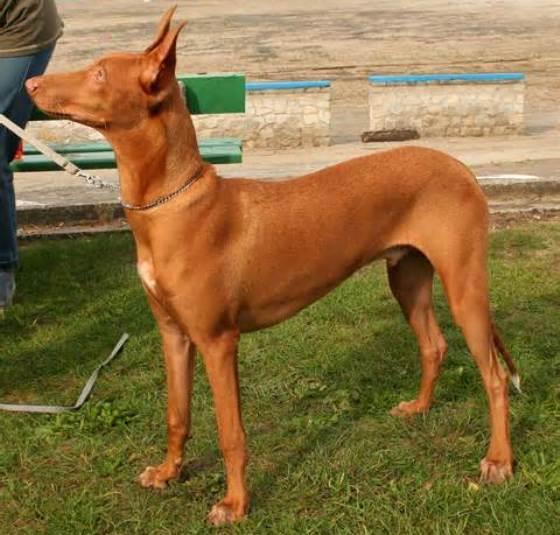
The Pharaoh Hound is a lean, ancient-looking sighthound that lounges on the sofa like a sculpture and then turns into a blur the instant something small and fast moves. Bred in Malta to hunt rabbits across rocky country, it is quick, sharp-eyed, affectionate with its people and genuinely elegant to watch. It is also a rare breed in Australia, so most people meet the look before they meet the reality. That reality is a fast, independent-minded working dog with a strong pull towards anything that runs. This guide covers what the breed actually is, where it comes from, and what daily life with one tends to require.
At a glance
- Size: Medium
- Height: Dogs ideally 56 to 63.5 cm; bitches ideally 53.5 to 61 cm1
- Coat: Short, glossy, no feathering
- Colour: Tan or rich tan with limited white markings (for example a white tail tip is strongly desired)1, 2
- Temperament (typical): Alert, intelligent, friendly, affectionate, playful1, 3
- Lifespan: Commonly around 12 to 14 years, individuals vary6
History and Origin
In Malta, the breed is called the Kelb tal-Fenek, which means "rabbit dog", and the name describes the job exactly. These dogs worked rugged terrain hunting rabbits, using sight, scent and their large ears to a marked degree when working close.5, 4 Internationally, the Fédération Cynologique Internationale (FCI) lists the country of origin as Malta and places the breed in Group 5 (Spitz and primitive types), "Primitive type".3
One popular story is worth correcting. The breed is often said to descend directly from the dogs painted on ancient Egyptian tomb walls. The resemblance is real and the tale persists, but the officially recognised breed is tied to Malta in kennel records, not to proven ancient Egyptian ancestry.3, 4 In Australia, state canine councils publish the local breed standard that describes the ideal dog and the traits breeders aim to preserve.1
Appearance and Physical Characteristics
A Pharaoh Hound is medium sized, clean-lined and built for speed, with free, easy movement and an alert expression. The head is long and lean with only a slight stop, and the eyes are amber, blending with the coat.1 The coat is short and glossy, ranging from fine and close to slightly harsh. Colour is tan or rich tan, with specific white markings permitted, such as a white chest "star" and a white tail tip; other white is undesirable.1, 2
The breed has one signature quirk: it blushes. When aroused or excited, the ears and nose can flush pink. It is a normal, well-documented feature in breed descriptions, not a sign of illness on its own.6
Temperament and Personality
Pharaoh Hounds are typically friendly and affectionate with their people, playful, and quick to notice anything changing around them. They are also independent-minded, less interested in repetition for its own sake than in what the moment offers.1 The defining behavioural feature for most households is prey drive. Many Pharaoh Hounds will chase if a small animal bolts, even a dog that is otherwise gentle at home. That is not aggression; it is a hunting pattern switched on by movement, and it needs managing rather than correcting.
With children, the breed tends to do best with calm handling, predictable routines and enough space to retreat when things get loud. With other pets, early and ongoing socialisation matters, and even then caution is sensible around smaller animals because the chase can be instinctive and very fast.
Is a Pharaoh Hound Right for You?
This is a dog that rewards an active household and quietly punishes a passive one. It suits people who enjoy daily activity, can train kindly and consistently, and have the fencing to let a fast dog run safely. If you want a low-energy companion that will happily skip a walk, this is not the breed. If you can meet its movement and management needs, it is an elegant, affectionate and rare companion with a very practical working-dog brain.
Training and Exercise
Short, upbeat training sessions land better than long drills. Reward-based methods help hold focus, and real-life practice at doors, gates, greetings and recall on a long line matters far more than perfect obedience in the lounge room. Pharaoh Hounds are built for speed and need daily movement plus regular chances to run. A brisk lead walk helps, but many dogs also need a secure area for a proper sprint, or a structured dog sport such as lure coursing where it is available.
- Essential safety note: because of prey drive, off-lead time is usually only safe in a fully enclosed space with reliable fencing and gates.
Health and Lifespan
Pharaoh Hounds are generally considered a healthy breed, with a commonly cited lifespan of around 12 to 14 years. As with all breeds, individuals vary, and outcomes are shaped by genetics, diet, exercise, dental care and timely veterinary checks.6 Rather than assuming any one condition is common, ask breeders what health screening they do and what they see in their lines. Your local vet can guide you on sensible monitoring for joints, skin, ears, teeth and weight across life stages.
Grooming and Care
The short coat is low maintenance. A weekly brush or rub-down usually removes loose hair and keeps the coat glossy. Add routine nail trimming, ear checks (especially after dusty runs), and regular dental care.
Diet and Nutrition
Feed a complete and balanced diet suited to your dog's life stage and activity level. The most practical way to judge whether you are feeding the right amount is to track body condition over time, since excess weight quietly loads the joints and makes heat and exercise harder to tolerate.7
- If you are unsure, ask your vet to score your dog's body condition and help set a target weight range.
- Adjust portions when activity changes (season, injury, moving house), not just when the bowl looks empty.
The Bottom Line
The Pharaoh Hound is stillness followed by sudden precision, a rare sighthound with genuine elegance and a working brain. In the right home, one that enjoys daily activity, trains kindly and manages prey drive with good fencing and habits, it is a rewarding companion. In the wrong one, that speed and independence become a daily problem. Match the dog to your lifestyle honestly and it will repay you for well over a decade.
References
- Dogs NSW (ANKC affiliate), Pharaoh Hound breed standard
- The Kennel Club (UK), Pharaoh Hound breed standard
- Fédération Cynologique Internationale (FCI), Pharaoh Hound (No. 248) breed listing
- Pharaoh Hound, overview of the Kelb tal-Fenek and traditional rabbit hunting use (Wikipedia)
- FCI Standard No. 248 (republished), Pharaoh Hound utilisation and temperament summary
- The Spruce Pets, Pharaoh Hound breed characteristics (including the blushing trait and typical lifespan)
- WSAVA, Global Nutrition Guidelines (including body condition scoring resources)

Dog lover and writer at My Pets Australia, sharing practical breed guides and care advice for Australian pet owners.