Discovering the Oldenburger Horse: A Comprehensive Guide
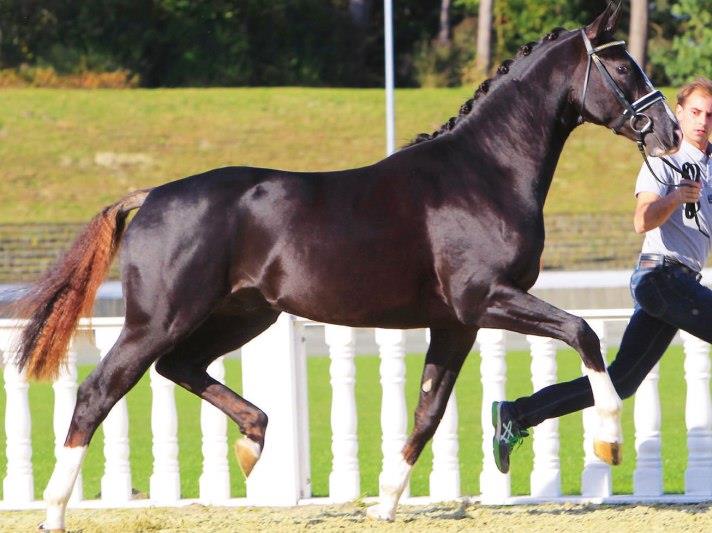
The Oldenburger is a modern German warmblood bred for sport, and at its best it is a genuinely impressive ride: tall, powerful, and blessed with the elastic, swinging movement that dressage judges reward. It is not a fixed "type" so much as a studbook, a breeding programme selected over generations for rideability, scope, and a calm working temperament. That combination of size and trainability is exactly why so many riders go looking for one. It is also a serious commitment, because a big athletic horse needs consistent work, careful management, and an experienced hand to come good.
At a Glance
- Origin: Lower Saxony, the historic Oldenburg region of Germany.1, 2
- Typical height: around 16 to 17 hands, with many sitting in the 16.2 to 17 hh range.3, 4
- Build: tall, substantial sport-horse frame with a strong neck and hindquarters, and a more athletic outline in modern lines.1, 4
- Common colours: bay, black and chestnut, with grey or brown in some lines.3, 4
- Temperament: generally calm, trainable and workmanlike when well handled and correctly started, though individuals vary.3
- Common uses: dressage, showjumping and general sport-horse work, with some in eventing.1
- Typical lifespan: often into the mid-20s with good care, with 20 to 30 years a sensible working range rather than a promise.3
History and Origin
Oldenburg breeding began as a practical answer to a practical need. In north-west Germany, farmers and coach owners wanted heavier, hard-working horses for farm and carriage duties, and the region became known for producing large, impressive coach horses made to pull with strength and stay sound on hard roads.1
The Oldenburger Verband, the Oldenburg Horse Breeding Association, traces a key part of the early foundation to Count Anton Gunther von Oldenburg (1583 to 1667), who promoted and refined breeding in the area using imported bloodlines from across Europe and beyond.2
Breeding goals shifted with the world around them. As agriculture mechanised and carriage horses fell out of demand, Oldenburgers were steadily reshaped into modern sport horses, with selection emphasising movement, rideability and jumping ability.1
Appearance and Physical Characteristics
An Oldenburger tends to carry a quietly imposing presence in the arena: long lines, a strong topline, and a hindquarter built to sit and push. The modern sport type is typically tall and substantial without looking coarse, designed to carry power through a supple back and produce expressive, elastic gaits.1, 4
Coat colour is not the point of the breed, but the familiar shades of bay, black, chestnut and sometimes grey are common in the studbook population.3, 4
Temperament and Personality
Oldenburgers are often described as calm and willing, with a steady, trainable feel that suits riders who like a horse to meet the work without fuss. That said, warmblood still means athletic. They do best when handling is consistent, the routine is predictable, and the workload makes sense for the horse's age and fitness.3
Well managed, they settle into herd life and stable routines easily. Poorly managed, with too much feed for too little work, rushed training, or long gaps between rides, they can become dull, fizzy, or sore in the way any large sport horse can.
Is an Oldenburger Right for You?
Be honest about the job you actually have for the horse. Most modern Oldenburg breeding is aimed at performance sport, especially dressage and showjumping. In dressage, the appeal is the swing through the back and the ability to sit and carry. In jumping, it is scope and careful technique when the horse is correctly produced.1
Some Oldenburgers do event, but many lines are bred more for power and movement than for the faster, lighter gallop that top-level eventing rewards. Judge the individual horse rather than the studbook label. This is a large, slow-maturing sport horse that needs regular work, steady management, and a rider with enough experience to bring it along. If you have the time, the facilities, and the budget for that, it can be a superb partner. If you want a low-maintenance paddock companion, it is not the horse for you.
Training and Exercise
Early handling and socialisation
Large, slow-maturing sport horses benefit from calm, steady early education: leading, tying, feet handling, basic ground manners, and short sessions that end before the youngster is mentally or physically tired. The aim is not to "make" the horse early, but to make the next step easy.
What tends to work best
Oldenburgers usually respond well to clear, consistent cues and plenty of repetition without drilling. Quiet transitions, straightness, and correct rhythm build the body they will need later. Variety matters, so mix arena work, poles, small hills and hacks, because it develops joints, tendons and attention without the strain of constant circles.
Daily movement
Like most horses, they do best with regular movement through the day, turnout where possible, plus a workload that matches their conditioning. A fit, sound Oldenburger is usually the product of patient weeks rather than heroic single sessions.
Health and Lifespan
Oldenburgers are generally robust, but no sport-horse population is free of health risk. They share the common warmblood concerns, especially developmental orthopaedic disease such as osteochondrosis and osteochondritis dissecans (often shortened to OC or OCD) and other joint-related problems that can appear in young horses and later performance careers. Studies in warmblood and other horse populations report meaningful prevalence, and OC is widely recognised as a common issue of young horses in general.5, 6
This does not make the breed unsound by design. It means sensible selection and management matter:
- Ask for a clear veterinary history and consider pre-purchase X-rays appropriate to the horse's age and intended job.
- Bring young horses along steadily, with turnout and varied work rather than heavy schooling too early.
- Keep body condition moderate, since excess weight and rapid growth are not friends of joints.
A practical expectation for many well cared-for horses is a lifespan into the mid-20s, with some living longer. Management, workload, injury history, and dental care often matter more than the breed label.3
Grooming and Care
Oldenburgers do not need exotic grooming, but their size means you notice quickly if you fall behind. Regular brushing lifts sweat and dust, helps you spot rubs or swelling early, and keeps the skin healthy through seasonal coat changes. Hooves still need the usual routine: cleaning, appropriate trimming or shoeing, and prompt attention to any cracks or heat.
Diet and Nutrition
Oldenburgers are large, athletic horses, but the basics stay ordinary: plenty of good-quality roughage, clean water, and changes made gradually. Australian state agriculture guidance emphasises frequent feeding rather than one large daily feed, plenty of roughage, and constant access to clean water.7
If you are increasing concentrates for work, do it thoughtfully and reassess body condition regularly. Many warmbloods hold weight easily when their work drops but their feed stays the same.
Quick feeding checks
- Base the ration on forage, meaning pasture or hay, then add concentrates only as needed for condition and workload.7
- Change feeds gradually over about a week to reduce the risk of digestive upset.8
- Keep water available at all times, because dehydration increases colic risk.8
A Few Things Worth Knowing
- The Oldenburger is a studbook rather than a fixed type, so two horses with the same papers can differ a great deal in build and way of moving.
- A well documented modern example is Weihegold OLD, an Oldenburg-bred dressage mare ridden by Isabell Werth and widely recognised for top-level success in international dressage.9
- The name comes from the historic Oldenburg region in Lower Saxony, not from a single founding stallion.1, 2
The Bottom Line
The Oldenburger is best seen as a studbook shaped by careful selection: a tall, powerful warmblood built for sport, usually calm enough to train well, and athletic enough to demand thoughtful management. If you are choosing one, look past the label and into the details, meaning conformation, rideability, health history, and whether the horse's way of moving suits the work you actually plan to do.
References
- Oldenburger (horse breed), overview and history (Wikipedia)
- History, Oldenburger Pferdezuchtverband e.V. (Oldenburger Verband)
- Oldenburg traits and characteristics, Horse Illustrated
- Oldenburg, American Museum of Natural History (Ology)
- Equine hospital data and osteochondrosis prevalence and heredity in Swedish Warmblood horses, Equine Veterinary Journal (PubMed record)
- Heritability and prevalence of osteochondrosis lesions in yearling Thoroughbreds, open-access paper (PMC)
- Feed requirements of horses, Agriculture Victoria
- Feeding horses, Department of Primary Industries, Queensland
- Weihegold OLD, breed and competition notes (Wikipedia, German)

Dog lover and writer at My Pets Australia, sharing practical breed guides and care advice for Australian pet owners.