Discovering the Mangalarga Horse: A Comprehensive Guide
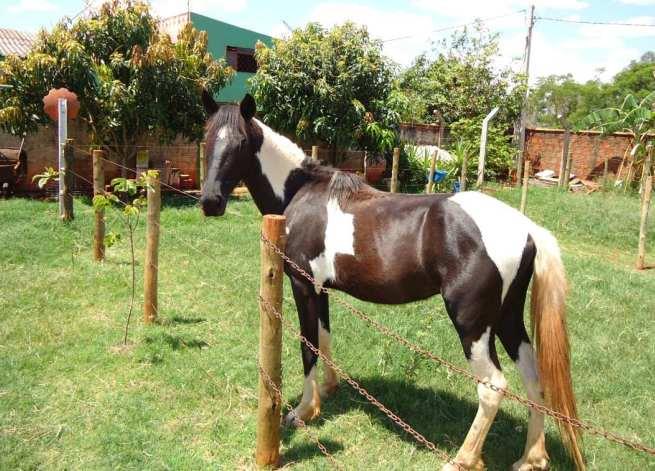
The Mangalarga is a Brazilian riding horse bred for one practical job: carrying a rider comfortably over long hours in the saddle. Its calling card is the marcha, a smooth four-beat ambling gait that trades the jolt of a trot for a ride you can sit in all day. It is a versatile, willing horse that suits pleasure riding, trail work and long distances. One thing catches people out before they buy: "Mangalarga" and "Mangalarga Marchador" are related but separate breeds, and that distinction matters on paperwork. Beyond that, it is a straightforward horse that rewards steady, ordinary care.
History and Origin
The breed traces to 19th-century Brazil, where breeders crossed imported Iberian stallions, including Alter Real and Lusitano-type horses, with local mares to produce a comfortable, useful mount suited to distance and daily work.1, 2 Much of the commonly cited origin is linked to Francisco Gabriel Junqueira, the Baron of Alfenas, who is frequently named in breed histories as a foundational figure in early development.1, 2
Historically "Mangalarga" was a broader type that later separated into distinct breeds, each with its own studbook and breeder organisation. Today the Mangalarga and the Mangalarga Marchador are treated as different breeds, shaped by different bloodlines and selection priorities over time.1 If you are dealing with paperwork, imports or competition eligibility, check the registry name on the horse's documents rather than what people call it at the agistment paddock.
Appearance and Physical Characteristics
A typical Mangalarga presents as a balanced saddle horse with a neat head, strong back and limbs built to travel. Most stand around 14.2 to 16 hands, though this varies by line and registry, so measure the individual horse rather than trusting a bloodline reputation.1 Common coat colours are bay, chestnut, black and grey, with other solid colours occurring depending on registry rules.1
Many carry an abundant mane and tail, though that shifts with bloodline and management. Quoted height and weight ranges are a starting point, not a guarantee: nutrition, age, training and genetics all move the dial. If you are choosing a horse for a specific rider or purpose, look at bone, hoof quality and overall soundness first, then reach for the tape measure.
The Marcha Gait
The marcha is the reason most riders go looking for a Mangalarga-type horse. It is an ambling four-beat gait that reduces the bounce of a trot and carries a rider over long distances with less jarring through the back and joints.2 In the Mangalarga Marchador it is commonly described in two forms, marcha batida and marcha picada, both four-beat but with different footfall timing and feel. A Marchador is also described as not trotting as its normal way of going under saddle.2
Temperament and Personality
Well-bred, well-handled individuals are often described as steady and willing, which fits a horse developed to be ridden often by a wide range of people. Temperament is never only the breed, though. Early handling, rider skill, pain, saddle fit and feeding management can all change a horse's behaviour dramatically, so judge the animal in front of you.
Is a Mangalarga Right for You?
If you want a comfortable horse for long trail miles and daily riding, the Mangalarga is a sensible choice. The smooth gait is genuinely easier on your body than a trotting horse over distance, and the temperament suits riders who want a willing, uncomplicated partner. It is also a serious commitment of time, land and money, as any horse is. Before buying, be honest about your riding hours, your access to good hoof and dental care, and whether you can keep a distance horse in regular work. If those boxes are ticked, this is a breed that pays back consistent handling.
Training and Exercise
The marcha is a trained and maintained way of going, so the basics carry the weight: straightness, rhythm and relaxation. Quiet, consistent schooling produces better gait quality than drilling. If the gait deteriorates, check the simple culprits first, feet, teeth, saddle fit and overall comfort, before deciding the horse is being difficult.
For fitness, think in long lines rather than short bursts. These horses are usually at their best with regular, moderate work: steady trail miles, hill work and good transitions that build strength without rushing.
Health and Lifespan
Many horses live well into their 20s and beyond with thoughtful care. What matters most is the unglamorous routine: parasite control suited to your region, vaccination advice from your vet, dental checks and consistent hoof care.
Some sources note genetic and population-structure concerns in parts of the Mangalarga family, including reports of higher inbreeding in at least one related population. For buyers that is a reminder to ask about pedigree, soundness history and breeding goals, not just colour and movement.1
Grooming and Care
Regular grooming is less about polish and more about noticing quiet changes: heat in a leg, a rub line under the saddle, a new lump, a shift in body condition. For horses with a heavier mane and tail, gentle detangling and clean, dry skin under thick hair helps prevent irritation. Hooves still set the tone for everything, gait quality included, since a smooth ride turns rough quickly when a horse is footsore or unbalanced.
Diet and Nutrition
Start with forage. Most horses should receive the bulk of their diet as pasture or hay, with hard feed added only when body condition, work or life stage requires it.3, 4 As a widely used guide, aim for around 1.5 to 2% of bodyweight per day on a dry matter basis in forage, adjusting for the horse's condition, workload and pasture quality.3, 4
- Change feed gradually over about a week or more, especially when swapping hay types or bringing in new hard feed.4
- Feed by weight, not by the scoop, because different feeds weigh very differently.4
- Keep water and salt available, particularly in hot weather or when work increases.3
A Few Things Worth Knowing
- "Mangalarga" and "Mangalarga Marchador" are separate breeds with separate studbooks; the registry name on the documents is what counts.1
- The Mangalarga Marchador was declared a national horse breed of Brazil under Law 12.975/2014.6
- The Marchador is registered and promoted by the ABCCMM, the Brazilian breeder association for the breed.5
The Bottom Line
The Mangalarga's appeal is straightforward: a comfortable, practical riding horse shaped by distance and daily use. When the marcha is supported by correct basics, sound feet, steady fitness and simple nutrition, the breed's signature smoothness stops being marketing and becomes an everyday experience.
References
- Mangalarga (breed overview and history)
- Mangalarga Marchador (gaits, origin, breed notes)
- Merck Veterinary Manual: Nutritional requirements of horses and other equids
- Rutgers NJAES: The Basics of Equine Nutrition (FS038)
- ABCCMM: Associacao Brasileira dos Criadores do Cavalo Mangalarga Marchador (about the registry)
- CFMV (Brazil): Law declaring the Mangalarga Marchador a national horse breed (Law 12.975/2014)
- Utah State University Extension: Equine nutrition, Forages
- eXtension Horses: Common feeding programs for horses

Dog lover and writer at My Pets Australia, sharing practical breed guides and care advice for Australian pet owners.