Discovering the Majestic Lipizzan Horses: History, Characteristics, and Care
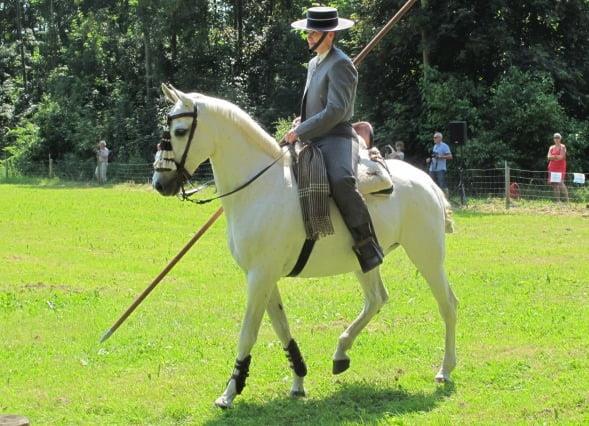
The Lipizzan is a compact, powerful European "baroque" horse best known for the classical dressage performed at the Spanish Riding School in Vienna, including the dramatic "airs above the ground". They are intelligent, trainable, slow to mature, and often stay active well into old age. The one thing that trips people up is colour: many Lipizzans are born dark and only lighten to the famous pale grey over years. Their fame comes from high-school horsemanship, but their day-to-day needs are ordinary horse needs, good forage, steady handling, sound feet, and an eye on digestive health.1, 2
Lipizzan at a glance
- Height: commonly about 14.2 to 15.2 hh, some lines are taller.2
- Weight: varies with height, build, and condition. Many adults sit roughly in the 450 to 600 kg range, individuals can be lighter or heavier.
- Coat: usually grey, many are born dark and lighten with age.
- Type: baroque, compact body, strong hindquarters, arched neck, tough feet.
- Known for: classical dressage ("high school" movements) and carriage work.2
History and Origin
The breed took shape in the Habsburg Empire from the late 1500s, centred on the stud at Lipica (Lipizza) in what is today Slovenia. Archduke Charles II is closely tied to the establishment of the stud and the early breeding program, which drew on Spanish horses alongside local Karst stock and other imported bloodlines over time.1, 3
The aim was never a delicate showpiece. It was a horse that could serve the court and the cavalry, strong through the back and quarters, balanced, and able to collect, qualities that later became a natural fit for classical dressage.2
Lipizzans are most famously associated with the Spanish Riding School in Vienna, where they demonstrate traditional classical dressage. The training is slow, systematic, and built around strength, balance, and longevity rather than quick results. The School traces its tradition back centuries, and it remains a major reason the breed is recognised worldwide, not because Lipizzans are the only horses capable of the work, but because they were bred and managed for it, generation after generation.2, 4
Like many European studs, Lipizzan breeding stock has been repeatedly displaced by conflict. In the closing weeks of World War II, a large group of horses including Lipizzans at Hostau (Hostouň) was moved out of danger during a U.S.-led action known as Operation Cowboy, later popularised in retellings and film. Popular accounts often simplify the details, but the broad point holds: the breed survived because people kept relocating, documenting, and rebuilding breeding programs when war repeatedly broke them apart.2, 5, 6
Appearance and Physical Characteristics
A typical adult Lipizzan looks compact and densely built rather than rangy. The neck is often arched, the chest deep, the croup broad, and the hindquarters notably strong, all useful for the sitting, lifting work of collected movements. Heads tend to be clean-cut with a straight or slightly convex profile, and the feet are often described as small but tough.2
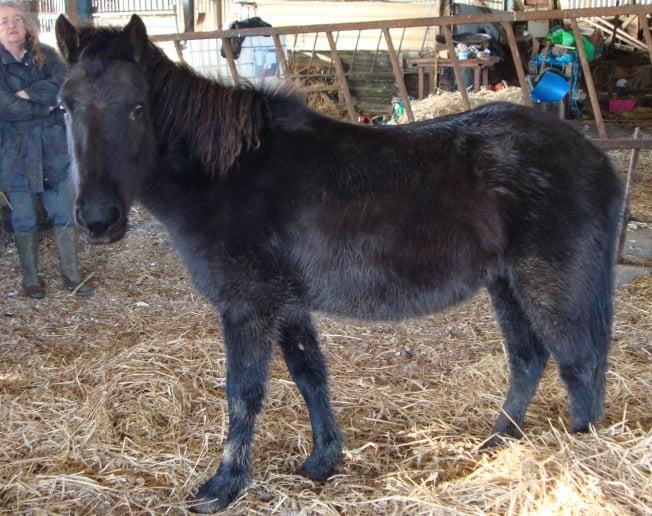
Coat colour causes the most confusion. Many Lipizzans are born dark, often bay, brown, or near-black, and progressively lighten as the grey gene expresses with age, sometimes reaching a near-white appearance later in life.2
Temperament and Personality
Lipizzans are widely described as intelligent, trainable horses that mature slowly and tend to stay active well into older age compared with many breeds. Individual temperament still varies with bloodline, early handling, and day-to-day management, so it is worth assessing the horse in front of you rather than relying on reputation alone.2
Is a Lipizzan Right for You?
This is a horse for someone who values patience. Lipizzans are often labelled "slow to mature", and in practical terms that means the best results come from progressive conditioning over months and years, not from drilling advanced collection too early. If you want quick wins or a horse you can push hard young, this is not the breed. If you want a sound, willing, long-lived partner for classical dressage, driving, or steady long-term work, they suit the job well. As with any horse, it is a serious commitment of time, money, and daily care.2
Training and Exercise
Patient timelines are the whole game with a Lipizzan. The aim is to develop straightness, suppleness, and strength gradually, so the horse can carry itself into collected work without strain.2
- Young horses: focus on good handling, calm exposure, basic responses, and short sessions that end before fatigue.
- Adults in work: steady schooling mixed with hacking, turnout, and varied surfaces to support soundness.
- Minds need work too: frequent, predictable routines and clear aids usually suit the breed's traditional training style.
Health and Lifespan
Many Lipizzans have a reputation for longevity, and it is not unusual to hear of horses remaining active into their 20s, with some living into their 30s given good care and good luck. Across horses generally, an often-cited typical lifespan range is around 25 to 30 years, with wide variation by management and health history.2, 7
Like other horses, Lipizzans are vulnerable to everyday equine problems rather than exotic breed-only diseases. Digestive upset and colic remain a major concern in any stable, especially where feeding is inconsistent, high in starch, or changes abruptly. The simplest protective habits are the boring ones: plenty of forage, clean water, and gradual feed changes.8
Practical colic-risk habits that help:
- Keep forage (hay or pasture) as the foundation of the diet.8
- Make feed changes gradually rather than overnight.8
- Split hard feed into smaller meals where possible, and keep the routine consistent.8
- Watch for reduced appetite, fewer droppings, flank-watching, pawing, or repeated lying down, and call a vet early.
Grooming and Care
Grooming a Lipizzan is about consistency, not mystery. Regular brushing lifts dirt and sweat, helps you spot rubs or skin trouble early, and keeps the coat lying flat. Grey horses show stains readily, so many owners rely on frequent spot-cleaning rather than constant full bathing.
Hoof care is where the breed's "tough feet" reputation can mislead. Even a strong foot needs routine trims, an appropriate workload, and footing that is not endlessly wet or filthy. The best-looking movement in the world collapses quickly if the horse is sore in its feet.
Diet and Nutrition
A Lipizzan's diet works best when it looks like a plain horse diet: pasture and good-quality hay as the base, with concentrates added only to meet genuine energy needs for work, growth, pregnancy, or poor pasture conditions. Over-feeding hard feed is a common way to buy trouble, behavioural fizz, weight gain, and digestive strain, without improving performance. If you are unsure, a vet or equine nutritionist can help you match feed to body condition, workload, and pasture quality.
Biosecurity in Australia: Hendra virus
If you keep horses in areas where flying-foxes are present, Hendra virus risk management is part of responsible horse care. Australian state agriculture authorities consistently recommend vaccination as an effective way to reduce risk to horses and people, alongside practical steps such as keeping feed and water away from areas where flying-foxes feed or roost, and isolating sick horses promptly while waiting for veterinary advice.9, 10
The Bottom Line
The Lipizzan is a rare thing, a horse bred for one demanding job over centuries and still doing it. For a patient owner who wants a sound, willing, long-lived partner and does not need fast results, it is hard to fault. The care itself is ordinary horse care done properly: forage-first feeding, consistent grooming, sound feet, and in flying-fox country, sensible Hendra precautions.
References
- Lipica Stud Farm, Breeding herd (Lipizzan developed at Lipica since 1580)
- Lipizzan (overview of history, characteristics, colour, maturity and longevity)
- Lipica Stud Farm, History of Lipica (foundation details and early records)
- Spanish Riding School, 460 years of classical horsemanship (official timeline)
- Operation Cowboy (World War II operation involving horse rescue)
- United States Lipizzan Federation, Breed history
- WebMD, How long do horses live? (general lifespan range)
- Merck Veterinary Manual, Overview of colic in horses
- Agriculture Victoria, Hendra virus (horse vaccination and risk-reduction advice)
- PIRSA (SA Government), Hendra virus guidance for horse owners

Dog lover and writer at My Pets Australia, sharing practical breed guides and care advice for Australian pet owners.