Discovering the Lowchen: A Guide to the Little Lion Dog
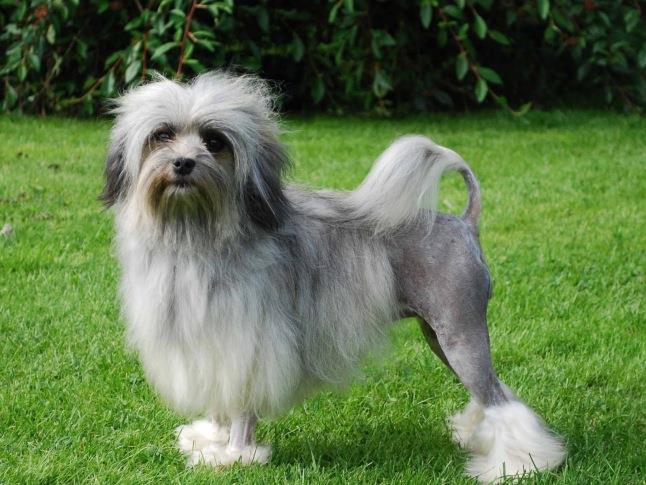
The Löwchen, or "little lion dog", is a small companion breed known for its bright, confident personality and the traditional lion clip that gives it its name. It is affectionate, quick to learn, and light on its feet, the kind of dog that tracks the household closely and settles nearby once it feels at home. It sheds very little, which appeals to a lot of people. It is also a real grooming commitment, and its happiest homes are the ones that can offer company, gentle training, and steady daily routine.1, 2
History and Origin
The name comes from German: Löwchen means "little lion". The Kennel Club describes the breed as thought to be French in origin, and places it within the broader Bichon family of small companion dogs. The traditional clip, with the mane left long, the hindquarters clipped, and the tail left plumed, created the lion-like silhouette that appears again and again in breed descriptions.3
In modern life the lion trim is mostly tradition, and a show-ring requirement in some contexts, rather than something the dog needs for comfort. Pet dogs can be kept in easier, shorter trims if owners prefer, as long as coat care stays consistent.1
Appearance and Physical Characteristics
This is a small dog, typically around 25 to 33 cm at the shoulder and 4 to 8 kg, with the range varying by sex, lines, and condition. The coat is long, wavy, and single, meaning there is no undercoat. That makes it low shedding, but prone to matting if it is neglected.1, 2
Löwchens come in any colour or combination of colours. The "no merle" claim you sometimes see is not reliable across all standards and clubs, so it is best treated as breeder and registry specific.2, 3
Temperament and Personality
The Löwchen is a companion breed in the old sense of the word, a small dog that watches daily life closely, follows along, and settles once it feels safe. Many are sociable and upbeat with familiar people, then a little more measured with strangers until they have had a moment to read the room.3, 4
They are often described as lively rather than frantic. When their needs are met, the energy tends to arrive in short, bright bursts, then a long, contented sprawl on a cool patch of floor. Alert and confident for its size, this is a small dog with a fair amount of presence.3
Families, children, and other pets
Löwchens can suit family life, but they are still small dogs with fine bones and quick feet, so calm handling matters. With young children, the safest pattern is always supervised play, short sessions, and a clear rest zone the dog can retreat to without being followed.3
With other animals, early socialisation helps. Many live well with other dogs and cats when introductions are steady and controlled, and when the household routines do not leave the dog isolated for long stretches.3
Is a Löwchen Right for You?
The honest deciding factor here is coat care. A Löwchen suits people who want a small dog with presence and low shedding, and who can commit to regular grooming rather than treating it as optional. If you like the classic lion trim, plan for frequent clip maintenance. If nobody in the household has the time or patience for consistent brushing, this is not the right breed.
Because the Löwchen is bred for companionship, it also suits homes where someone is around a good part of the day, or where the dog is taught to cope with alone time from the start. A quiet apartment with an engaged owner works well. A home where the dog would be left alone for long stretches does not.3
Training and Exercise
Löwchens are typically quick to learn, especially when training feels like a game and rewards come often. Keep sessions short and stop while the dog still wants more. That is how you get the bright, springy attention this breed is known for.3, 4
What usually works best
- Positive reinforcement: food, play, or praise, whatever the dog values most.
- Early socialisation: gentle exposure to surfaces, noises, visitors, grooming tools, and calm dogs.
- Polite-alert behaviour: teach a "thank you" cue for barking, then redirect to a settle.
Exercise and enrichment
Most Löwchens do not need extreme mileage, but they do need daily movement and something to think about. Many do well with up to about an hour a day, split into walks and play, plus a bit of training or puzzle work. A walk, a sniffy wander, and a few minutes of scent games can be enough to take the edge off that alert little brain.3
- Short walks with time to sniff
- Fetch in a small yard or hallway
- Simple agility or balance games at home
- Puzzle feeders and "find it" treat scatters
Health and Lifespan
The breed is often described as generally healthy, with many dogs living into the early teens. Expect a typical lifespan around 12 to 14 years, with some sources citing slightly wider ranges depending on population and care. Individual variation is influenced by genetics, diet, dental care, and weight management.1, 2
Conditions that come up in small breeds, including Löwchens
- Luxating patella (kneecap slip): can range from mild skipping to more serious cases needing surgery.
- Dental disease: small mouths often crowd teeth, which can increase plaque retention if home care is inconsistent.
Good breeders health-test, and good owners keep weight steady and book regular veterinary checks. If you are choosing a puppy, ask what health screening has been done in the line and what problems the breeder is actively selecting against.4
Dental care is worth doing early, because the most damaging disease sits below the gumline. Home brushing helps slow plaque build-up between vet visits, and routine dental checks catch problems before they turn into extractions.5
Grooming and Care
This is the part that decides whether the breed is a fit. The Löwchen's coat is long and silky, and because it is single-coated it can look airy while still tangling close to the skin. Low shedding does not mean low maintenance. Skipping brushing is how mats appear, often behind the ears, in the armpits, and along the collar line.1
A practical grooming routine
- Brush and comb: several times a week for pet trims, closer to daily if keeping a longer coat or a lion trim.1
- Professional grooming: many owners book every 4 to 8 weeks depending on clip style and coat condition.1
- Check ears, nails, and feet: build it into the routine so it is normal, not a wrestling match.
If you like the classic lion trim, plan for more frequent clip maintenance. If you prefer a simpler teddy or short trim, you will still need regular grooming to prevent matting and keep the skin healthy.1
Diet and Nutrition
Choose a complete and balanced diet appropriate for small dogs and your dog's life stage, then adjust portions to maintain a lean body condition. In a breed where joints and teeth can be pressure points, carrying extra weight rarely ends well.4
If you are changing foods, do it gradually. If you are unsure about portions, your vet can help you set a target weight and a feeding plan that fits your dog's activity and desexing status.
A Few Things Worth Knowing
- The lion trim is tradition and show ring, not a comfort requirement. Pet dogs can wear easier trims.1
- Because the breed is bred for companionship, some individuals struggle if left alone suddenly or for long periods. Build independence early with short absences, calm returns, a safe rest space, and enrichment that does not rely on constant human attention.3
- Low shedding is not the same as hypoallergenic, and it is not the same as low effort. The coat still needs consistent work.1
The Bottom Line
A Löwchen suits people who want a small dog with presence: bright eyes, light-footed confidence, and a steady desire to be part of the household. The trade-off is coat care. If you can commit to grooming, gentle training, and daily companionship, the little lion tends to settle in quietly and stay close for years.1, 3
References

Dog lover and writer at My Pets Australia, sharing practical breed guides and care advice for Australian pet owners.