Discovering the Konik Horse: A Guide to Its History, Characteristics, and Care
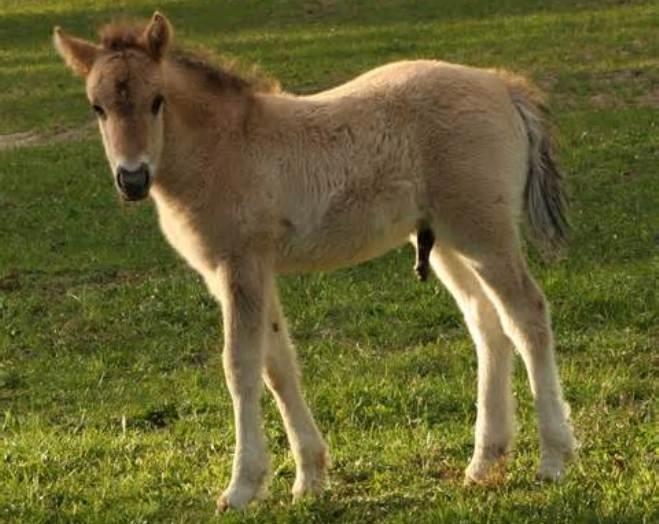
The Konik is a small, strong Polish horse built by generations of life outdoors, and its reputation for toughness is largely earned. Standing around 13 to 14 hands with a dun, or "mouse-grey", coat, a dark dorsal stripe and a heavy winter shag, it thrives on turnout, fibre and company rather than fuss. Koniks are often kept in herds and are widely used for conservation grazing, where a steady appetite and hard feet matter more than speed. People usually come looking for one when weighing up a hardy, low-input horse for light riding or driving, or after spotting a "rewilding" herd in a reserve. It is a genuinely low-drama horse, but it is still a horse, with the farrier, vet and feed management that involves.1, 2
Konik horse at a glance
- Height: usually 130 to 140 cm at the withers (about 13 to 14 hands)2
- Weight: commonly around 350 to 450 kg (varies with condition and type)1
- Typical colour: dun/"mouse-grey" with primitive markings (dorsal stripe, often leg barring)1
- Coat: thickens noticeably in winter, sleeker in summer1
- Mane and tail: usually thick and fairly long1
- Temperament: generally calm, hardy and adaptable, best in stable social groups2, 3
- Lifespan: many domestic horses live about 25 to 30 years with good care (ponies and smaller types often do well)4
- Diet style: grazing and browsing, fibre-first feeding suits them best5, 6
- Common uses: conservation grazing, driving, leisure riding, herd living in open systems1, 3
History and Origin
"Konik" is Polish for "small horse", and the breed developed in Poland from tough local horses associated with the Biłgoraj region. In the early 20th century, breeders and researchers took a close interest in these small dun horses because they resembled historical descriptions of the tarpan, a wild horse type that had disappeared from Europe.1, 7
Professor Tadeusz Vetulani is often linked with the Konik story. In 1936 he established a reserve-based breeding project in the Białowieża Forest, hoping that keeping horses in natural conditions would preserve, and even "rebuild", primitive traits. That experiment became famous, though modern summaries note it contributed only a minor share to today's overall Konik population.1, 7
One important modern correction is worth making. Koniks are sometimes described as "direct descendants" of tarpans, but genetic work and breed histories do not support that simple line. The Konik is best understood as a hardy domestic breed and landrace selected for a tarpan-like phenotype (appearance and survivability), rather than a surviving wild horse.1, 7
Where Koniks live today
Koniks turn up in European nature reserves for a practical reason: they cope well in herd systems and spend long hours grazing, which can help keep grasslands open and slow the return of dense scrub in some landscapes. They are well known in high-profile "rewilding" style projects, including the Oostvaardersplassen in the Netherlands.3
In practice this kind of management needs careful planning. Free-ranging or semi-feral herds still require monitoring, clear welfare thresholds, and a plan for feed shortages, disease risk and population control, especially in fenced reserves where animals cannot simply move on when conditions deteriorate.3
Appearance and Physical Characteristics
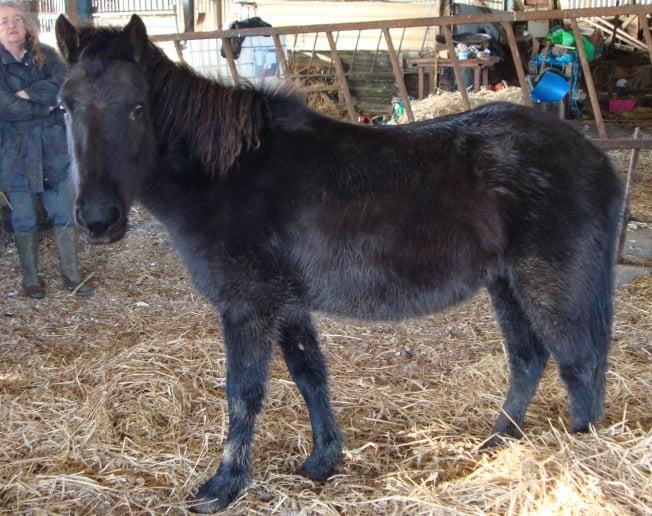
Koniks are compact and sturdy, built for thrift rather than speed. The classic coat is blue dun, often called "mouse-grey", usually with a dark dorsal stripe and, in many animals, faint zebra-like bars on the legs. The neck tends to be set low, the chest deep, and the overall outline solid and functional.1, 2
Seasonal coat changes can be dramatic. In winter the coat becomes dense and shaggy, with thick mane hair. In summer it lies flatter and shorter, and the markings can look sharper against the coat colour.1
Temperament and Personality
Most Koniks are steady and sensible, especially when raised with consistent handling. In herd-kept settings their social structure matters: they read movement, spacing and routine closely, and they do best when introductions and changes are managed calmly rather than rushed.2, 5
Even a quiet breed can become difficult if its basic needs are mismatched, whether that is too much rich feed, too little movement, or a social life that is constantly disrupted. Koniks tend to look after themselves well when their set-up lets them graze, walk and rest the way horses are built to do.5, 6
Training and Exercise
Koniks are often kept as low-input horses, but good manners still come from early handling and clear, consistent boundaries. Short sessions repeated often usually land better than long drilling, especially for a horse that has been living outdoors in a herd and is used to making its own small decisions all day.
Daily movement matters more than "work". If your Konik lives on pasture with room to roam, much of the baseline exercise is already happening. Under saddle or in harness, keep the workload appropriate to their size and build, and build fitness gradually as you would with any horse.
Diet and Nutrition
Koniks evolved under leaner conditions than many modern pleasure horses, so keep the feeding simple and fibre-first. For most individuals the safest starting point is a forage-based diet: grazing on well-managed pasture, plus hay when pasture is limited, with clean water always available.5, 6
- Prioritise forage: pasture and/or hay should form the bulk of the diet.5, 6
- Use hard feed carefully: concentrates and sugary treats can create more problems than they solve in easy-keeping types, so only add what the horse genuinely needs for workload and condition, with veterinary or nutrition advice.6
- Watch body condition: obesity increases health risks in all horses, so adjust calories while keeping fibre volume sensible.5
Health and Lifespan
With good management, many domestic horses live roughly 25 to 30 years. Individual lifespan varies with genetics, injury history, dental care, parasite burden and simple luck.4
Hooves, teeth, and the everyday checks that prevent drama
Koniks are often described as tough, but they still need the basics. Regular hoof care, dental checks, and fast action when a horse looks "off" are the difference between a small issue and a long recovery.8
- Hooves: unshod horses often need trimming about every 6 to 8 weeks (individual needs vary).8
- Teeth: have teeth checked at least annually once mature, and younger horses in work may need more frequent checks.8
- Know colic red flags: acute abdominal pain is an urgent veterinary issue.8
Parasites and deworming
Modern horse parasite control is moving away from routine "dose everyone every few weeks" and towards targeted treatment using faecal egg counts, which helps reduce unnecessary chemical use and slows resistance. Your vet can tailor a program to your region and horse age group.9
Vaccination
Vaccination needs depend on location, travel and exposure risk. Work with an equine vet on a schedule, and aim to have primary courses and boosters done well before likely exposure, for example events or agistment moves.10
Grooming and Care
Koniks carry a lot of coat in winter, so regular brushing earns its keep. It lifts dirt and dead hair and lets you notice rain scald, rubs, ticks and skin irritation early. In spring, when the coat loosens, a curry comb and steady daily grooming can make the changeover far more comfortable.
Avoid over-clipping a horse that lives outdoors unless you have a clear reason and the rugging, shelter and management to match. That dense winter coat is doing real work.
Is a Konik Right for You?
A Konik can be an excellent choice if you want a smaller, sturdy horse that thrives on turnout and routine. They are often happiest when they can live as horses: space, fibre, company and quiet handling. They are not a shortcut to "no maintenance", and they still need regular farrier and veterinary attention, but they tend to reward simple, steady care with remarkable durability.2, 8
References
- Wikipedia, Konik
- Polski Związek Hodowców Koni (Polish Horse Breeders Association), Stud-book of origin of Konik polski breed
- The Guardian, Oostvaardersplassen rewilding project (Konik horses in the reserve)
- WebMD, Lifespan of horses (average 25 to 30 years)
- RSPCA NSW, How to care for your horse (grazing time, fibre-first feeding, water access)
- RSPCA Knowledgebase, What should I feed my horse?
- Wikipedia, Tarpan (context on "breeding back" attempts and limits)
- NSW Department of Primary Industries, Caring for horses (hooves, teeth, illness signs)
- EQUITANA Melbourne, General parasite management in horses (faecal egg counts and targeted control)
- American Association of Equine Practitioners (AAEP), Principles of vaccination

Dog lover and writer at My Pets Australia, sharing practical breed guides and care advice for Australian pet owners.