Discovering the Knabstrupper: A Unique Horse Breed
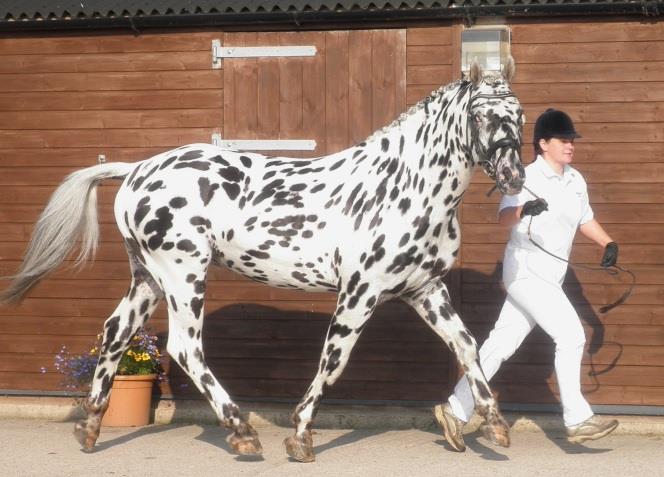
The Knabstrupper is a Danish warmblood known for one of the most striking coats in the horse world: the leopard complex spotting that ranges from bold spots on white to a soft, freckled roan. Under the pattern is a genuinely useful riding and driving horse, athletic enough for dressage, jumping and eventing, and generally calm and quick to learn. It is also a serious commitment, and the coat genetics that make the breed famous carry some real health implications worth understanding before you buy. Choose one for its movement, soundness and temperament first, and treat the spots as the bonus they are.
A quick snapshot before the detail:
- Origin: Denmark
- Height: commonly around 15 to 16 hands (about 152 to 163 cm), though individuals vary2, 3
- Weight: often around 500 to 600 kg, depending on type and condition3
- Coat: leopard complex (LP) patterns from varnish roan and blanket to full leopard spotting; not every Knabstrupper is loudly spotted5, 6
- Temperament: typically calm, willing and intelligent, with a good training response, though individuals differ3
- Common uses: dressage, showjumping, eventing, driving, vaulting and general riding2, 3
- Lifespan: often around 25 to 30 years with good care3
History and Origin
Modern Knabstruppers trace back to a spotted mare called Flaebehoppen (Flaebe's mare), kept at the Knabstrup estate in Denmark and bred from the early 1800s. Her foals carried the distinctive spotting, and early breeding drew on local Danish stock including Frederiksborger horses, shaping the riding and driving type that became recognised as the Knabstrupper.2, 4
Numbers fell sharply in the 20th century as farm mechanisation reduced the need for working horses and shrank many European breed populations. Later rebuilding included careful outcrossing in some programs, balancing coat pattern against conformation and soundness rather than chasing colour alone.2
Appearance and Physical Characteristics
Most Knabstruppers sit in the mid to larger riding-horse range, commonly around 15 to 16 hands. Build depends on the breeding direction: some are compact and baroque with a higher-set neck, while others resemble modern sport warmbloods with longer lines suited to dressage and jumping. Because of this split, the outline and movement can vary more than the coat suggests.2, 3
The spotting belongs to the leopard complex (LP) family of markings. Common patterns include:
- Leopard: white coat with distinct dark spots.
- Blanket: a white blanket over the hindquarters, sometimes spotted.
- Fewspot: very pale overall with few visible spots.
- Varnish roan: roaning with darker varnish marks over bony areas.
LP expression can change with age. Some horses progressively lose pigment through roaning and varnishing, so an adult can look quite different from its younger self.5, 6
Temperament and Personality
Knabstruppers are commonly described as trainable and steady, which is part of why they have long been used for public-facing work such as driving and performance. That said, temperament is shaped as much by handling and early education as by genetics. It is worth assessing the individual horse in front of you, especially if you are tempted to buy on colour alone.3
Is a Knabstrupper Right for You?
A well-handled Knabstrupper can suit confident beginners and families, but quiet is never guaranteed by breed. This is still a large animal and a long-term financial and time commitment, so judge the horse, not the pattern. Look for one that is:
- calm to catch, lead, tie up and handle around the feet
- consistent across different environments (arena, paddock, on a float)
- comfortable with routine grooming and basic vet and farrier work
Training and Exercise
These are athletic horses that do best with regular work and clear, calm cues. Short, consistent sessions usually beat occasional big efforts, especially for younger horses still learning balance.
Early handling and socialisation
Low-pressure exposure to floats, clippers, hoses, rugs, traffic noise and different footing helps build a horse that stays usable when the world gets busy. The goal is not to toughen them up but to make the everyday predictable.
Exercise and outlets
Many Knabstruppers suit a varied week: flatwork, small jumps, pole work, hills and long relaxed rides. Variety keeps their bodies supple and their minds settled, which matters for horses that are naturally alert and observant.
Health and Lifespan
The Knabstrupper is not defined by a single breed disease, but leopard complex genetics do matter. UC Davis notes that horses homozygous for leopard complex (LP/LP) have congenital stationary night blindness, meaning difficulty seeing in low light, and are also at increased risk of equine recurrent uveitis, a painful and potentially blinding eye disease.5, 8
This does not mean every spotted Knabstrupper will have eye trouble. It does mean coat genetics can be clinically relevant, so it is sensible to ask about eye history, request a pre-purchase exam, and discuss genetic testing where appropriate.5 With good care, many live around 25 to 30 years.3
For general preventative care:
- Vet checks: keep vaccinations, dentistry and wellness exams on a routine schedule.
- Hoof care: maintain regular farrier visits suited to the horse's growth, workload and hoof quality.
- Parasite control: use a targeted program guided by faecal egg counts and local advice, rather than constant blanket dosing.
- Eyes: seek veterinary assessment promptly for squinting, tearing, redness, cloudiness or light sensitivity.
Grooming and Care
The coat is not difficult in itself, but light areas show dirt, scurf and stains quickly. Regular grooming is more about skin health than shine: remove sweat and grit, check for rubs under tack, and keep an eye on pasterns during wet weather.
During seasonal shedding, a shedding blade and steady daily grooming can reduce itchiness and help you spot small problems early (ticks, rain scald, girth galls) before they become bigger ones.
Diet and Nutrition
Feed the horse you have, not the colour. A Knabstrupper's foundation should be forage, pasture and hay, with energy and protein adjusted up or down based on condition and workload. As a practical guide, Agriculture Victoria notes that many horses can consume around 1.5 to 2% of body weight per day in dry feed (dry matter), which helps when budgeting forage and deciding whether concentrates are needed at all.7
A few simple checks prevent common problems:
- Keep fibre front and centre: sudden grain increases raise colic and laminitis risk in any breed.
- Avoid dusty or mouldy hay: it can irritate airways and reduce overall intake.
- Use body condition scoring: adjust feed to hold steady condition rather than chasing weight swings.
- Fresh water and salt access: non-negotiable, especially in hot weather or harder work.
A Few Things Worth Knowing
- The look can be dramatic (large clear spots on white) or subtle (roaning with mottled skin), so two Knabstruppers can look nothing alike.2, 3
- Some lines are bred toward a lighter sport-horse type and others toward a heavier baroque style, which changes movement and build.3
- The name is sometimes written as Knabstrup.
The Bottom Line
The Knabstrupper is best understood as a capable riding horse that happens to wear one of the most distinctive coats around. Choose one for its movement, soundness and temperament first, and enjoy the spots as a bonus. If you are buying or breeding, take the LP-linked eye risks seriously, ask good questions, and let veterinary advice guide the fine details.5
References
- Knabstrupper Association of Denmark (official site)
- Knabstrupper (breed overview and history)
- PetMD: Knabstrupper (height, weight, lifespan overview)
- Knab.dk: Knabstrupper history (Flaebe and early foundation lines)
- UC Davis Veterinary Genetics Laboratory: Leopard Complex, CSNB and uveitis
- Leopard complex (LP gene background and pattern range)
- Agriculture Victoria: Feed requirements of horses
- UC Davis VGL: Leopard complex (LP) and ERU risk research summary
- PubMed: Congenital stationary night blindness association with leopard complex (research paper)

Dog lover and writer at My Pets Australia, sharing practical breed guides and care advice for Australian pet owners.