Discovering the Japanese Chin: A Guide to This Elegant Breed
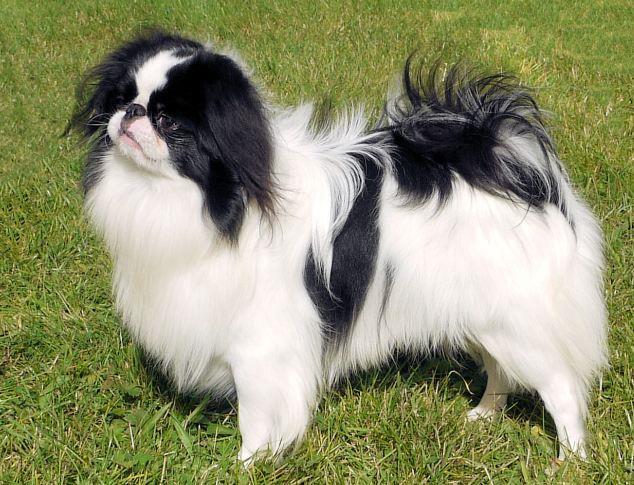
The Japanese Chin is a toy companion dog: light, ornate, and happiest in close company. It is alert indoors, fond of a warm lap, and content with short walks rather than long hikes, which makes it a natural fit for flats and quiet homes. The broad head, short muzzle and profuse silky coat give it an unmistakable look. It is also a flat-faced breed, so breathing comfort and eye care need a bit of attention. The notes below cover what the Chin is known for, where it can struggle, and what daily care actually involves.
History and Origin
The Japanese Chin is a long-established toy breed developed as a companion, and it is recognised under formal breed standards in Australia and the UK. Those standards set out the breed's ideal form and describe it firmly as a companion-focused dog rather than a working one.1, 3
Appearance and Physical Characteristics
The Chin is built on contrasts: a broad head and short muzzle above a fine-boned, "cobby" body, dressed in a soft coat that falls straight and light. The coat is profuse, long and silky with feathering on the ears, legs and tail, and the high-set tail plumes over the back. The gait is described as stylish and straight, with lift rather than speed.1, 3
- Size: Toy breed; standards describe an ideal weight around 1.8 to 3.2 kg (4 to 7 lb), though pet dogs may fall outside this range1, 2
- Coat: Profuse, long, soft and straight, with a silky texture and feathering1, 3
- Colours: Black-and-white or red-and-white (red includes shades such as sable, lemon or orange). Tricolour is not accepted in the ANKC or Kennel Club standard1, 3
Those prominent eyes are part of the charm and also a practical thing to watch. Keep an eye out for squinting, redness, discharge, or frequent pawing at the face, since small dogs can hide discomfort until it becomes a bigger problem.5
Temperament and Personality
Japanese Chins are people-centred little dogs. They tend to stay close, move neatly through indoor spaces, and prefer gentle attention over rough play. Many are playful in short bursts and then settle again, which suits living rooms far better than paddocks.4 They are typically affectionate, bright, and well matched to calm indoor life.4
Is a Japanese Chin Right for You?
The Chin suits people who like close companionship and quiet routines, and who do not need a dog for long walks or acres of space. They can do well with respectful children, but their size makes them vulnerable to clumsy handling, so the question is less "good with kids" and more "good with calm, supervised interactions". For multi-pet homes, early introductions and steady routines usually matter more than breed reputation. The flat face also means you are signing up for ongoing attention to breathing comfort and eye health, which is worth knowing before you commit.
Training and Exercise
Training is usually straightforward when it stays light and consistent. Short sessions suit them best: a couple of minutes of focus, a break, then another small ask. Reward what you want to see, ignore what you can safely ignore, and keep your household rules steady.
Exercise needs are generally modest. Many Chins are content with a couple of short walks and indoor play, but they are still dogs and benefit from sniffing, exploring, and learning the neighbourhood at their own pace.4
Heat and breathing: the flat-faced reality
Japanese Chins are brachycephalic (flat-faced). That anatomy can make cooling and efficient airflow harder, especially in warm weather or with extra weight, which matters in an Australian summer. Noisy breathing at rest, struggling on gentle walks, or repeated gagging or coughing warrants a veterinary check rather than being written off as "normal for the breed".5, 6, 7
Health and Lifespan
The Japanese Chin is often described as fairly healthy overall, and many live around 10 to 12 years, with some living longer; individual outcomes vary with breeding and care.4, 5 The common problems in the breed cluster around the knees, eyes, airway and heart, areas where small structure and short faces can come with trade-offs.5, 8
Commonly reported concerns
- Luxating patella (slipping kneecaps): common in toy breeds; may show up as skipping, hopping, or intermittent lameness8
- Eye disease: including cataracts and other eye problems; prominent eyes can be more easily irritated or injured8
- Heart murmurs and heart disease: reported in the breed; many are manageable when picked up early at routine checks8
- Brachycephalic airway issues: snoring or snorting may occur, but laboured breathing and heat intolerance are red flags5, 6
- GM2 gangliosidosis: a serious inherited neurological condition; responsible breeders use screening and health programs to reduce risk5, 8
Preventive care that matters
Plan for routine veterinary checks, dental care (small mouths crowd quickly), parasite prevention, and vaccinations appropriate to your dog's lifestyle and local risks. In Australia, vets commonly refer to "core" vaccines (often grouped as C3), with additional vaccines based on exposure, and your clinic will advise what fits your dog.9
Grooming and Care
The Chin's coat looks extravagant but is usually manageable with regular, gentle brushing. Aim for a few sessions a week, working through the feathering on ears, legs and tail where tangles like to form. Bathe as needed, then dry thoroughly, especially around the chest and under the arms where dampness can linger.
Keep nails short, check ears, and make tooth brushing part of the household rhythm. Small breeds are prone to dental disease, and prevention is far easier than treatment under anaesthetic later on.4
Diet and Nutrition
Extra weight makes everything harder for a Japanese Chin, including the knees, breathing and heat tolerance. Choose a complete, balanced diet suited to toy breeds, measure meals, and be sparing with treats. If you are unsure what "healthy" looks like on your individual dog, ask your vet to show you how to assess body condition and adjust portions calmly over a few weeks.
The Bottom Line
A well-bred Japanese Chin suits people who want close companionship and quiet routines: a small shadow in the hallway, a warm presence on the sofa, and a dog that does not need acres, just steady care. Put your effort into breathing comfort, eye and dental health, and keeping the coat brushed, and the rest of the breed tends to fall into place.
References
- Dogs Australia (ANKC), Japanese Chin breed standard
- Dogs Queensland, Japanese Chin breed standard
- The Kennel Club (UK), Japanese Chin breed standard
- PetMD, Japanese Chin: health and care
- Japanese Chin Club of America, Chin health
- The Kennel Club (UK), Brachycephalic breathing problems (BOAS)
- ICECDogs, Position statement on noisy breathing in brachycephalic dogs
- Japanese Chin Club of America, Health testing guidance (eyes, heart, patellas)
- RSPCA Pet Insurance (Australia), Vaccinations for your pet (core vs non-core)

Dog lover and writer at My Pets Australia, sharing practical breed guides and care advice for Australian pet owners.