Discovering the Enigmatic New Guinea Singing Dog: A Comprehensive Guide
The New Guinea Singing Dog is a rare, primitive canid from the highlands of New Guinea, best known for a modulated howl that can sound almost flute-like next to the flatter howl of an ordinary dog. People search for it after hearing that famous "singing", or because they are trying to work out what it actually is: a dog breed, a wild animal, or something in between. That question matters, because it changes what is realistic to expect in temperament, training, and availability. It is a genuinely fascinating animal with a real conservation story behind it. It is also, for almost everyone reading this, not a pet.
At a Glance
- Size: Small to medium, compact and agile
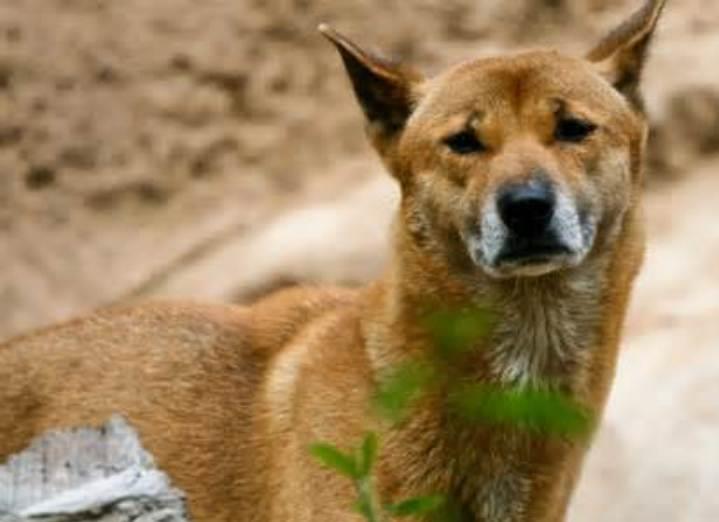
- Coat: Short to medium, dense, often reddish-brown with lighter markings
- Notable trait: Distinctive, modulated howls (the "singing")
- Temperament: Alert, independent, wary with strangers, bonds through consistent handling
- Activity level: High, needs daily exercise and mental work
- Availability: Rare, mostly in managed conservation or specialist settings rather than ordinary pet homes
History and Origin
The New Guinea Singing Dog (NGSD) is a rare population of dogs tied to the highlands of New Guinea.1, 2 Its taxonomic status is still argued over in the scientific literature. You will see it described as a distinct taxon, or as part of the domestic dog and dingo lineage, and that disagreement mostly reflects how hard it is to draw clean lines between "wild", "feral", and "ancient domestic" canids in this region.3, 4
NGSDs came to wider scientific attention in the mid-1900s, after dogs were collected from the highlands and sent to Australia, where early descriptions and later research built a picture of a distinctive, primitive-looking population.4 Because the terrain is rugged and much of the region is remote, sightings and collections were historically rare. That scarcity shaped the captive population too. Many NGSDs outside New Guinea descend from a very small number of founders, which has real consequences for genetic diversity and long-term health management.2
The "Singing": What Those Vocalisations Are
The singing is not a trained trick, and on its own it is not a sign of happiness or sadness. It is a form of vocal communication, howls that shift in pitch and carry distinctive modulation, seen in this population and described in behavioural studies and modern summaries of NGSD biology.2, 4 Like other canids, they may vocalise more in certain contexts such as arousal, separation, a response to other sounds, or territorial and contact calling. Treat it as communication, not as a reliable window into how the dog feels.
What the Genetics Revealed
The "singing dog" story is not just museum history. In 2020 a major genomic study compared captive NGSDs with New Guinea Highland wild dogs and found the two extremely closely related, supporting the view that the Highland wild dogs are the wild source population aligned with NGSD ancestry.1, 5
The same work noted that captive NGSDs and the Highland wild dogs are not genetically identical. Captive NGSDs come from a small founder base, which brings inbreeding pressure, while the Highland dogs show signs of admixture and a different population history in the wild.1, 5 In plain terms, there is evidence of closely related wild highland dogs still in New Guinea, and that has real implications for conservation and for the genetic management of the captive population.1, 2
Appearance and Physical Characteristics
Most descriptions emphasise a compact, athletic dog with a wedge-shaped head, pricked ears, and a dense coat suited to cooler highland conditions. Coat colour is commonly reddish-brown with lighter markings, though variation exists.4 They are often called fox-like at a glance, but they are still dogs, built to move lightly over steep ground, with a body that reads as spare and efficient rather than bulky.4
Temperament and Personality
NGSDs are highly alert, quick to notice change, and more independent than most modern companion breeds. That independence is not stubbornness so much as a behavioural style shaped by selection pressures very different from those that produced, say, a gundog bred to work closely with people.4 Common patterns reported in managed settings include:
- Wariness with strangers and a preference for predictable routines
- High curiosity and a strong drive to explore
- Strong motivation to chase moving animals, which makes small pets a risk without strict management
- A talent for escaping, since many are adept climbers, diggers, and fence-testers
Is a New Guinea Singing Dog Right for You?
For most households, honestly, no. Not because they are bad, but because their rarity, behavioural profile, and welfare needs make them a poor match for typical suburban life. Where they are kept under human care, it is usually in specialist or conservation-minded settings with robust containment, experienced handlers, and a strong focus on welfare and genetic stewardship.1, 2
In Australia there is also the legal question. NGSDs sit close to the dingo and wild-dog lineage, and keeping animals of that type is regulated at the state and territory level, often requiring a permit and sometimes prohibited outright. If you were ever seriously considering one, ownership would depend on your state's law, and you would need to check with your state wildlife or agriculture authority first. If what draws you is the look and the independence, a more realistic path is a dog from a reputable rescue or breeder whose temperament and needs can be clearly assessed, then building training and enrichment around that individual.
Training and Exercise
Training goes best when it is calm, consistent, and reward-based. Harsh methods tend to create avoidance and defensive behaviour, especially in a dog that already leans towards caution in unfamiliar situations. For high-drive, primitive-type dogs the essentials are less about teaching tricks and more about building safe patterns:
- Secure containment: roofed runs, dig-proof boundaries, and double gates where possible
- Realistic recall: long lines and enclosed areas for practice, never an assumption of off-lead reliability
- Daily outlets: long walks, structured scent games, scatter feeding, and problem-solving enrichment
- Early, careful socialisation: gradual exposure to people, dogs, surfaces, and sounds, always kept under threshold
Health and Lifespan
You will sometimes see claims that NGSDs have no breed-specific health issues. That is too absolute. Any small, rare, founder-based population can carry inherited risks, and the limited gene pool in captivity is well recognised in conservation discussions.1, 2 Rather than assuming they are trouble-free, treat them like any other dog with added genetic management considerations: regular veterinary checks, dental care, parasite control, and a diet that keeps them lean and well-muscled.
Grooming and Care
Coat care is usually straightforward. A weekly brush removes loose hair and helps you notice skin problems early, and you can increase brushing during seasonal shedding. Do not skip the quiet basics:
- Nail trims, especially for dogs that do not naturally wear their nails down
- Regular ear checks
- Dental care, with home brushing where possible plus veterinary advice
Diet and Nutrition
Feed a complete and balanced diet suited to the dog's life stage, and keep body condition lean. In an active dog the calories can creep up faster than the fitness does, especially when treats are doing a lot of the training work. Some human foods are consistently dangerous to dogs. In Australia, RSPCA guidance and state animal welfare advice commonly list risks including chocolate, grapes, raisins and sultanas, and alliums such as onion and garlic.6, 7, 8
The Bottom Line
The New Guinea Singing Dog is a rare, ancient canid with a distinctive voice and a genuine conservation story, not a suburban companion. Most people who admire it will never be in a position to keep one, and in Australia the law makes that even less likely. Appreciate it for what it is, and if you want a dog with a similar look and independent streak, choose a well-matched rescue or breeder dog instead.
References
- Surbakti S, Parker HG, McIntyre JK, et al. (2020). New Guinea highland wild dogs are the original New Guinea singing dogs. Proceedings of the National Academy of Sciences.
- National Institutes of Health (NIH) (2020). Scientists use genomics to discover an ancient dog species that may teach us about human vocalization.
- PubMed record: Surbakti S, Parker HG, McIntyre JK, et al. (2020). New Guinea highland wild dogs are the original New Guinea singing dogs.
- Koler-Matznick J, Brisbin IL, Feinstein M, Bulmer S (2003). An updated description of the New Guinea singing dog (Canis hallstromi, Troughton 1957). Journal of Zoology.
- NIH Intramural Research Program (2020). Scientists use genomics to discover an ancient dog species that may teach us about human vocalization.
- RSPCA Australia. Household dangers to your pet (toxic foods and other hazards).
- Agriculture Victoria (Animal Welfare Victoria). Human foods to avoid for cats and dogs.
- RSPCA Pet Insurance. What fruit and vegetables to avoid feeding your dog.

Dog lover and writer at My Pets Australia, sharing practical breed guides and care advice for Australian pet owners.