Discovering the Dogue de Bordeaux: A Comprehensive Guide to This Majestic Breed
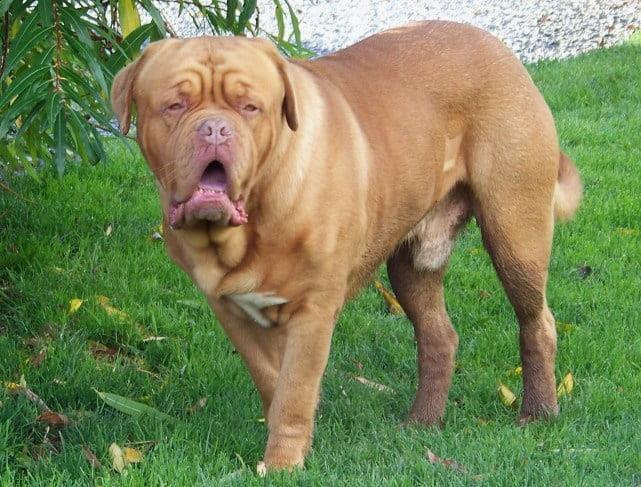
The Dogue de Bordeaux is a French mastiff, a heavy, low-set guardian breed with a famously wrinkled head and a calm, watchful presence that fills a doorway. People love the breed for exactly that: steady temperament, deep loyalty, and a dog that stays close to its people. It is also a genuinely large animal, with breed standards setting minimum weights of 50 kg for males and 45 kg for females.1 Most Australians look one up while weighing a big guardian breed, wondering how large they really get, whether they suit family life, and what health issues might shape the years ahead. Those are the right questions, because with a dog this strong the small misunderstandings become practical ones around housing, training, insurance, travel, and everyday safety.
History and Origin
The Dogue de Bordeaux is a French mastiff breed long associated with guarding and working roles. Historical accounts describe use in guarding property and handling large animals. The exact details vary across sources, and some of the popular stories are difficult to verify cleanly. What stays consistent across the record is the outline: a powerful, low-set dog built for presence and force.
Appearance and Physical Characteristics
This is a big, muscular dog with a massive head. Males typically stand about 60 to 68 cm at the withers and females about 58 to 66 cm.1 Breed standards set minimum weights of 50 kg for males and 45 kg for females, and many adults are heavier when in good condition.1 The coat is fine, short, and soft to the touch, low-fuss but not no-maintenance.1 Colour runs through fawn shades from mahogany to isabella, and the mask may be black, brown, or absent depending on the standard.1
Temperament and Personality
A well-raised Dogue de Bordeaux is usually calm and observant, moving through the house in a heavy, economical way. They are not frenetic, but they are physical: leaning, barging, and using the whole body in close quarters is common in young dogs and untrained adults. They are widely described as loyal and protective, and the same steadiness that makes them feel reassuring can also read as stubbornness. The breed responds best to patient consistency rather than force, because once a Dogue decides to plant its feet you are negotiating with a lot of muscle and momentum.6
Many Dogues live peacefully with children, but size changes the risk. A friendly bump can still knock a small child over, so supervision matters, especially around food, doorways, and excited greetings. With other pets, early and well-managed socialisation helps. Some individuals can be pushy or intense with unfamiliar dogs, so assume you will need training, structure, and careful introductions rather than relying on good nature alone.6
Is a Dogue de Bordeaux Right for You?
Be honest about the scale of the animal before you commit. When people choose between an apartment and a house, the deciding factor is rarely yard size and more often whether you can manage a large dog safely: lifts, stairs, narrow hallways, shared entrances, and close neighbours. Space helps, but structure matters more. If you can provide calm routine, handle a 50-plus kilogram dog safely, and budget for veterinary care over the whole of its life, the Dogue can be an unusually devoted companion. If you cannot commit to consistent training and the medical costs a heavy brachycephalic breed can bring, this is not the dog to start with.
Training and Exercise
This is a dog that needs to be taught how to move through the world quietly: how to wait at thresholds, walk on a loose lead, settle on a mat, and be handled by strangers without escalation. Those are not party tricks, they are safety rails on a very strong animal.
- Start early: it is far easier to teach manners to a puppy than to retrofit them onto a 50-plus kilogram adolescent.7
- Keep sessions short: a few minutes repeated often works better than long drills.
- Use reward-based methods: aim for calm repetition and clear consequences, such as access to things they want, rather than harsh corrections.
- Socialise for neutrality: practise being around people and dogs without having to greet them.
Most Dogues do well with daily walks and time to sniff, combined with brief play and basic training for mental work. They are not endurance athletes, and heavy pounding exercise in heat is a poor match for a large, short-muzzled dog, a real consideration through an Australian summer.
Health and Lifespan
The Dogue de Bordeaux is a brachycephalic, or short-nosed, breed. That head shape is part of the appeal, but it also raises the likelihood of breathing compromise and heat intolerance, particularly in warm weather or during exertion.8 Lifespan is often reported around 5 to 8 years in general breed references, though some datasets report longer averages, which may reflect differences in population and veterinary access.4, 5
Some dogs are merely noisy, others genuinely struggle. Signs that deserve a vet conversation include loud breathing at rest, collapsing after excitement, repeated gagging or regurgitation, and obvious exercise intolerance. Heat can tip a struggling airway into an emergency much faster than people expect.8
Large, deep-chested dogs are also at higher risk of gastric dilatation-volvulus (GDV, or bloat), a life-threatening emergency where the stomach distends and may twist. Risk reduction is never perfect, but common veterinary guidance includes feeding multiple smaller meals, limiting hard exercise immediately after eating, and discussing preventative gastropexy with your vet for at-risk breeds.3 Like many heavy breeds, Dogues are commonly discussed in the context of hip and elbow dysplasia and certain cardiac conditions. The practical response is boring but effective: keep them lean, build fitness gradually, and choose breeders who health test and can show results.
Grooming and Care
The coat is short and straightforward, and weekly brushing usually keeps it in good order. The higher-maintenance parts are the wrinkles, the ears, and the mouth. Many Dogues drool, sometimes dramatically, and the skin folds can trap moisture and grime, so gentle cleaning and drying helps prevent irritation.6
Diet and Nutrition
Feed a complete and balanced diet suited to a large breed, and judge body condition rather than trusting the number on the scales alone. Overweight Dogues carry extra strain through the joints and can find breathing even harder. For GDV risk, common recommendations include splitting food into two or more meals and avoiding vigorous activity around mealtimes, alongside discussing individual risk factors with your vet.3
A Few Things Worth Knowing
- The breed reached a wide audience through the 1989 film Turner & Hooch, where the dog Hooch is a Dogue de Bordeaux.9
- The short muzzle that gives the breed its look is also the source of its heat and breathing risks, so the two cannot be separated.
- Weight minimums in the standard are just that, minimums. Many healthy adults are heavier.1
The Bottom Line
A good Dogue de Bordeaux has a quiet gravity about it: steady, physical, and very close to its people. It is also a breed where health planning, thoughtful training, and realistic lifestyle choices matter from day one. If you can provide calm structure, handle a large dog safely, and budget for veterinary care, the Dogue can be a deeply devoted companion with a watchful presence that fills a doorway.
References
- Dogs SA (ANKC) breed standard: Dogue de Bordeaux
- The Kennel Club (UK): Dogue de Bordeaux breed standard
- Cornell University College of Veterinary Medicine: Gastric dilatation volvulus (GDV) / bloat
- PetMD: Dogue de Bordeaux (health and care overview)
- Royal Canin: Dogue de Bordeaux (breed overview)
- Vetstreet: Dogue de Bordeaux
- American Kennel Club: Dogue de Bordeaux facts (training and size notes)
- RSPCA Australia Knowledgebase: Brachycephalic (flat-faced) dogs and BOAS
- Wikipedia: Turner & Hooch (Hooch identified as a Dogue de Bordeaux)

Dog lover and writer at My Pets Australia, sharing practical breed guides and care advice for Australian pet owners.