Discovering the Cleveland Bay Horse: A Comprehensive Guide
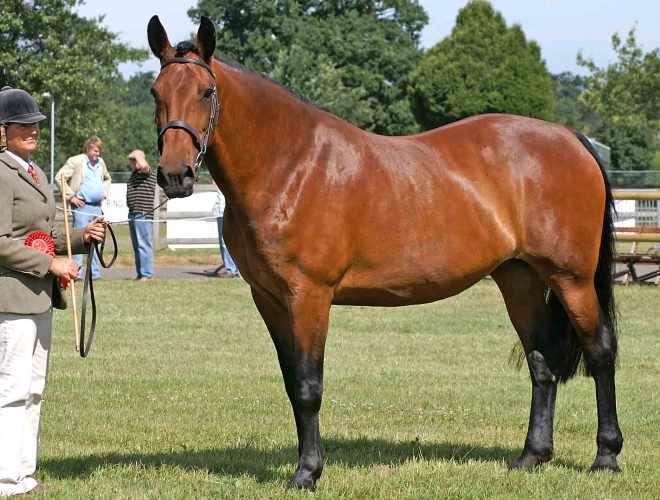
The Cleveland Bay is England's oldest established horse breed, a deep-bodied, clean-legged bay that was built to work in harness and under saddle and still does both today. It is best known for a distinctive look, bay with black points and almost no white, and for a calm, sensible temperament that makes it a genuine all-rounder. Most people meet one at ceremonial events, because Cleveland Bays still pull carriages at the Royal Mews. It is also a rare breed, conservation-listed in the UK, so a true purebred is not easy to come by. This guide covers what defines the breed, how it developed in Yorkshire, and the everyday care that keeps a big, durable horse sound.
History and Origin
The Cleveland Bay developed in north-east England, in the Cleveland district of Yorkshire. Long before modern roads and engines, tough horses were needed to carry goods between towns and across rough country, and the ancestors of the breed are often associated with pack work and the old nickname "Chapman horse".1, 4 Over time these practical local horses were refined for harness work. Breed organisations describe infusions from imported Barb horses and Iberian types shaping the developing Cleveland Bay, adding quality while keeping the strength and stamina needed for work.4, 6 The Cleveland Bay Horse Society was established in the 1880s and has long been central to maintaining the studbook and promoting the breed's survival and standards.6
Appearance and Physical Characteristics
A Cleveland Bay reads at a glance as a powerful, practical horse with the outline of a quality hunter: deep through the girth, strong over the back, and built to carry weight and keep moving on long days. Clean legs with little to no feather, and dense bone, are part of the working heritage.2, 6 Typical height is about 16.0 to 16.2 hands, though many sources describe a broader 16 to 17 hands.2, 3
The colour rules are a hallmark rather than a loose description. Traditional standards specify a bay coat with black legs, mane and tail. White is tightly limited, often only a small star is acceptable, and larger white markings are generally not permitted under classic studbook expectations.2, 3
Temperament and Personality
Most Cleveland Bays are sensible, steady horses: the sort that settles into routine, learns patterns quickly, and copes well with the predictable noise and repetition that harness work demands. That does not make them dull, it is more a quiet reliability, especially in horses handled consistently from a young age.3, 8
Is a Cleveland Bay Right for You?
A well-brought-up Cleveland Bay suits a wide range of riders and drivers, but it is still a large, powerful animal. It usually does best with someone who values steady basics: clear boundaries, calm repetition, and correct fit and conditioning rather than speed or sharpness.8 Purebreds are also genuinely scarce, so many people access the breed through part-breds, which are widely used in sport horse breeding.7, 8 In Australia, remember that any imported horse is subject to biosecurity and quarantine requirements, so check availability locally before setting your heart on one.
Training and Exercise
Cleveland Bays respond well to consistent handling and clear, incremental training. Early, low-stress exposure to different places, surfaces and equipment matters, because calm repetition builds predictable responses when the work gets bigger and noisier, especially in harness.8 They are often happiest with a mix of steady conditioning and purposeful skill work. For many horses that looks like:
- long, low-intensity ridden work to build fitness and soundness
- shorter schooling sessions for responsiveness and balance
- groundwork and in-hand work to keep manners sharp
- driving work, where appropriate, that builds straightness and strength progressively
Health and Lifespan
There is no single "Cleveland Bay-only" health problem that defines the breed, but the usual big-horse rules apply: feet, weight and joints decide how long a working life stays comfortable. Good farriery, sensible conditioning, and avoiding chronic overfeeding are the unglamorous foundations.8
- Routine veterinary care and appropriate vaccination and parasite control for your region.
- Regular dental checks, especially as the horse ages.
- Consistent hoof care, with trim and shoeing intervals matched to growth and workload.
- Body condition monitoring, aiming for fit rather than "well covered".
Grooming and Care
The coat is usually straightforward to manage, but regular grooming does more than polish bay hair. It lets you notice small changes: heat in a leg, a rub under harness, a new swelling, or a patch of rain scald starting under the saddle area. With a breed prized for clean legs and hard feet, those small checks add up.2, 3
Diet and Nutrition
Most Cleveland Bays do well on a forage-first diet, adjusted to workload, climate and individual metabolism. The aim is steady energy and strong hoof-and-bone support without pushing the horse into unnecessary weight gain.8
- Base: good-quality pasture and/or hay.
- Add only what is needed: concentrate feeds for higher workloads, or a balancer or mineral support where forage is lacking.
- Keep water and salt available: especially in hot weather or during heavier work.
A Few Things Worth Knowing
- The Cleveland Bay is a rare breed with active conservation effort around it. In the UK it appears on the Rare Breeds Survival Trust's equine watchlist, reflecting ongoing concern about population size and long-term genetic diversity.5
- Cleveland Bays are still used as carriage horses at the Royal Mews, alongside the Windsor Greys. Their steady way of going and suitability for harness work keeps them in that very public, highly managed world.9
- Common uses today include driving, both ceremonial and competitive, riding, and sport horse breeding, often via part-breds.7, 8
The Bottom Line
The Cleveland Bay is a strong, level-headed, versatile horse with a long working history and a look that is unmistakable once you know the colour rules. For the right owner, someone who values steady basics over sharpness, it is a rewarding all-rounder in the saddle or in harness. The main practical hurdle is scarcity: this is a conservation-listed rare breed, so a true purebred takes patience to find, and part-breds are the more realistic route for many people.
References
- Wikipedia, Cleveland Bay
- The Cleveland Bay Horse Society (UK), Breed standards
- The Livestock Conservancy, Cleveland Bay Horse
- Cleveland Bay Horse Society of North America, The Cleveland Bay Horse
- Rare Breeds Survival Trust, Equine watchlist
- The Cleveland Bay Horse Society (UK), About
- Horse & Hound, Cleveland Bay horse factfile
- Mad Barn, Cleveland Bay horse breed profile
- Wikipedia, Royal Mews

Dog lover and writer at My Pets Australia, sharing practical breed guides and care advice for Australian pet owners.