Discover the Majestic Estrela Mountain Dog: A Comprehensive Guide
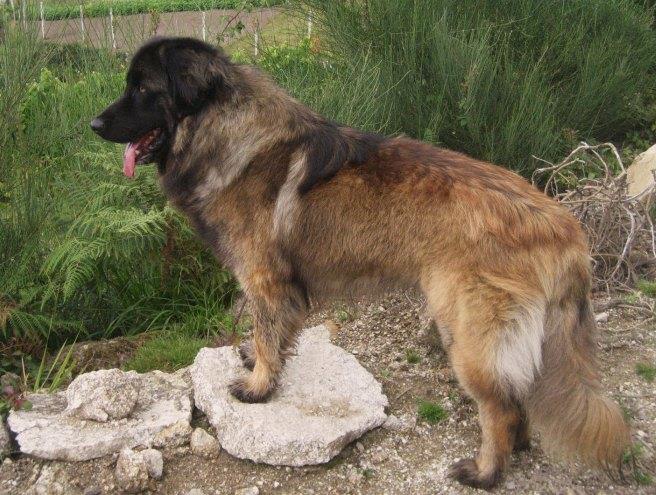
The Estrela Mountain Dog is a large Portuguese livestock guardian, calm in the home, watchful on the property, and big enough to deter trouble without being frantic or sharp. People usually find the breed when they want exactly that: a steady presence that takes its work seriously and stays loyal to its own family. It is also a serious commitment. An adult Estrela is strong, independent-minded, and naturally wary of strangers, so the gap between a settled companion and a difficult housemate comes down to early training, thoughtful socialisation, and realistic living space.4, 5
Quick breed snapshot
- Origin: Serra da Estrela (Estrela Mountains), Portugal.1
- Traditional role: livestock guardian and property watch dog, also used for draught work in its home region.1
- Size (breed standard): males 65 to 73 cm, females 62 to 69 cm at the withers, with a small tolerance.2
- Coat: short or long, dense and weather-resistant for mountain conditions.1
- Typical temperament: loyal to its own people, aloof or wary with strangers, alert and self-willed but trainable.4
History and Origin
The Estrela Mountain Dog (Cão da Serra da Estrela) developed in Portugal's high country, where flocks moved with the seasons and dogs had to work far from any human direction. Official summaries describe the breed's origins as "lost in time", which is a plain way of saying it is old, rural, and shaped by work rather than paperwork.1, 6 The job was simple and relentless: stay with the animals, notice what does not belong, and hold the line until the threat passes. That heritage still shows today as patience, steadiness, and a tendency to make its own decisions when something feels off.4
Appearance and Physical Characteristics
The Estrela is a large, powerfully built guardian with heavy bone, a strong neck and shoulders, and movement that should look easy rather than lumbering. According to the Australian national breed standard (Dogs Australia), males are typically 65 to 73 cm at the withers and females 62 to 69 cm.2
There are two recognised coat varieties, short-haired and long-haired. Both are built for harsh weather, with a dense undercoat and a tougher outer coat, and the long-haired dogs carry more feathering on areas like the neck, tail, and backs of the legs.1 Typical colours include yellow, fawn and grey (including wolf-grey tones), and brindle. A darker facial mask is considered typical, especially in brindle dogs, and small white markings may be allowed in limited areas such as the feet and a small patch on the lower neck or chest, depending on the standard used.2
You will often hear that Estrelas have double rear dewclaws. Some do. Breed standards do not consistently treat it as universal, though, since rear dewclaws may be single or double, and may even be removed in some contexts. It is better to think of rear dewclaws as a feature you might see, not a guarantee.7
Temperament and Personality
The Estrela is typically devoted to its family and reserved with people it does not know. Good examples are calm and observant, spending long stretches doing very little, until something changes and the dog is suddenly all posture and presence.4 Because the breed was developed to work at distance, it is often self-willed. That is not stubbornness for its own sake, it is a dog weighing the moment and choosing what matters. Training works best when it is clear, consistent, and worth the dog's attention.4
Many Estrelas settle well in family homes, but the basics matter: supervision with small children, simply due to the dog's size and strength, and careful, early introductions to other animals. A livestock guardian's instinct is to manage space and movement, and without guidance that can turn pushy or overprotective in a suburban setting.4, 5
Is an Estrela Mountain Dog Right for You?
This is a working guardian in a large body, and it suits a specific home. You want secure fencing, room to move, and the time to socialise a big dog properly from puppyhood. If you are after an easygoing pet that greets every visitor like a friend, this is not that breed. If you want a calm, loyal dog that will watch over your family and property, and you are ready to put in the early work, the Estrela can be an excellent fit.4, 5
Training and Exercise
Start early. The goal is not to train the guarding out of them, it is to shape it into something predictable and safe. Socialisation should be steady and low-drama: plenty of normal visitors, calm walks past fences and front gates, and regular handling so grooming and vet checks do not become a wrestling match. Keep sessions short, use rewards the dog actually values, and be consistent about boundaries around doors, visitors, and barking, because these are exactly the places an Estrela's instincts switch on first.4
Despite the size, many Estrelas are not hyperactive. They do need routine movement and meaningful mental work, though: walking, patrolling a secure yard, and training that asks for calm focus. A bored guardian tends to invent duties, and those duties often involve the neighbours.4, 5
Health and Lifespan
Like many large breeds, Estrelas can be affected by orthopaedic issues such as hip dysplasia, and they may also be at risk of gastric dilatation-volvulus (GDV), commonly called bloat, which is a life-threatening emergency.5, 8
There is no single cause of GDV, but routine choices can help lower the risk. Common veterinary recommendations include splitting food into two or more smaller meals, discouraging rapid eating, and avoiding strenuous exercise for a period before and after meals. For high-risk dogs, ask your vet about prophylactic gastropexy, a preventative surgical procedure that helps stop the stomach twisting.8, 9
Grooming and Care
The coat is built to shed weather, not to stay pristine. Weekly brushing is usually enough to keep it in order, with more frequent grooming during seasonal shedding. Check ears, trim nails, and keep an eye out for mats in the feathered areas on long-coated dogs. A bath is occasional, not constant, since over-washing can strip the coat's natural oils.
Diet and Nutrition
Feed for steady condition, not maximum size. A large guardian carrying extra weight is harder on its joints and tires sooner in the heat, which matters in the Australian climate. Choose a complete diet appropriate for large breeds, measure portions, and adjust based on body condition rather than the label on the bag. If your dog eats quickly, a slow feeder can help pace meals, which may also be useful for dogs at risk of GDV.8, 9
A Few Things Worth Knowing
- The Estrela is recognised internationally as a distinct Portuguese breed, with two coat varieties, short-haired and long-haired, listed in official nomenclature.6, 10
- At heart it remains a mountain dog, built for weather, distance, and long hours of watchfulness.10
- The breed was also used for draught work in its home region, not only guarding.1
The Bottom Line
The Estrela Mountain Dog is a calm, loyal, capable guardian for the right home. It rewards owners who can give it space, secure fencing, and consistent early training, and it will struggle in a home that treats it like a low-maintenance family pet. Go in with realistic expectations and you get a steady, watchful companion that takes its job seriously.4, 5
References
- Estrela Mountain Dog portal, FCI Breed Standard summary (Cão da Serra da Estrela)
- Dogs Australia (ANKC), Estrela Mountain Dog breed standard
- The Kennel Club (UK), Estrela Mountain Dog breed standard
- Estrela Mountain Dog Association, Breed standard (temperament and general description)
- The Spruce Pets, Estrela Mountain Dog: breed characteristics and care
- FCI, Cão da Serra da Estrela (No. 173) breed listing and standard publication details
- United Kennel Club (UKC), Estrela Mountain Dog breed standard (including dewclaws)
- Cornell University College of Veterinary Medicine, Gastric dilatation-volvulus (GDV/bloat)
- American Animal Hospital Association (AAHA), Understanding canine bloat (GDV)
- FCI, Cão da Serra da Estrela (No. 173) nomenclature entry (coat varieties and breed status)

Dog lover and writer at My Pets Australia, sharing practical breed guides and care advice for Australian pet owners.