Dalmatian

The Dalmatian is one of the most recognisable dogs on the planet, a lean, athletic breed in a white coat scattered with black or liver spots. They are active, people-oriented and often very confident, and in the right home they make lively, affectionate companions. They are also a serious commitment. Behind the famous coat sit a few well-documented health issues and a big daily need for exercise, which is exactly why so many Dalmatians end up in the wrong hands. This guide covers what they are like to live with and what to watch for over a lifetime.
Appearance and Physical Characteristics
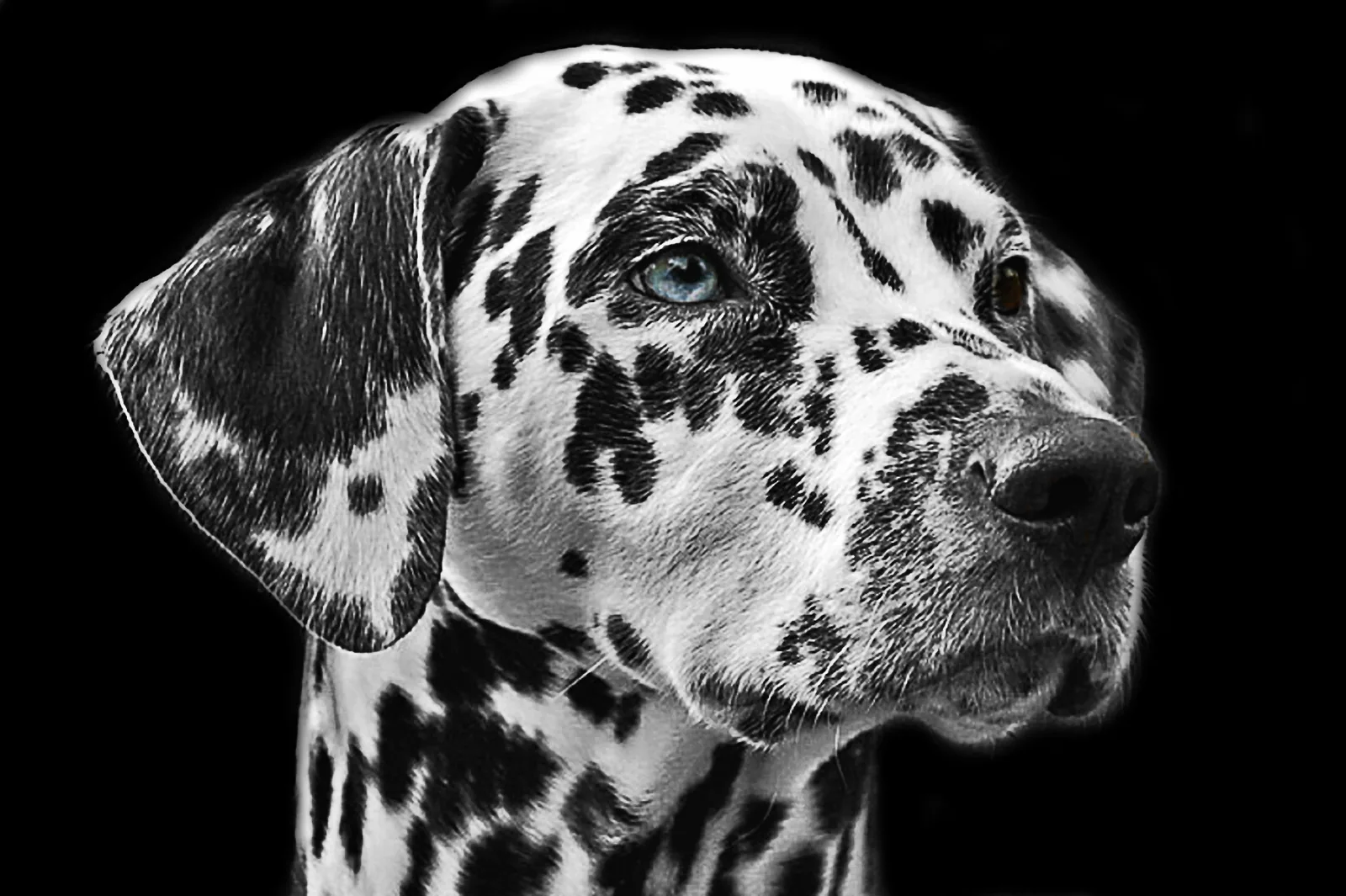
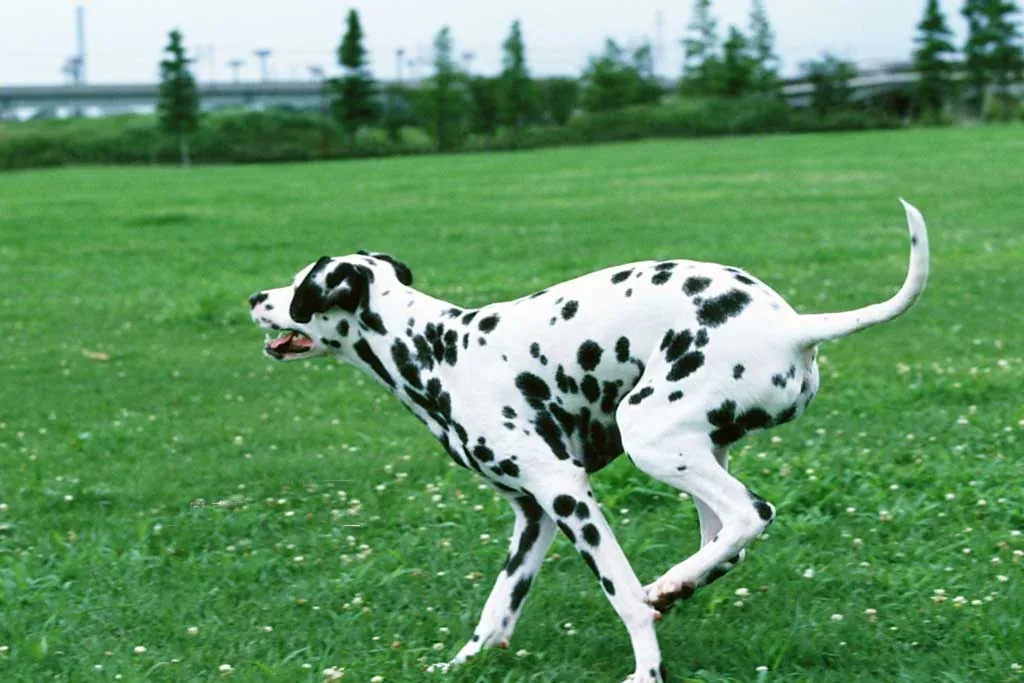
The spots do the introducing, but the build underneath is a working athlete. The breed standard gives an ideal shoulder height of 58 to 61 cm for dogs and 56 to 58 cm for bitches1. The coat is short, dense, sleek and glossy, a white ground colour marked with black or liver spots1. It is easy to care for on paper, though it sheds more than most people expect. Life expectancy is commonly around 10 to 13 years, varying with genetics, lifestyle and veterinary care.
Temperament and Personality
Dalmatians are energetic and strongly attached to their people. They tend to be confident and quick to learn, but they can also be strong-willed without steady training. Many are affectionate and playful well into adulthood. That same energy, left without an outlet, turns into invented activities you will not enjoy, so the temperament that makes them fun is the same one that makes them demanding.
Is a Dalmatian Right for You?
In the right home a Dalmatian is a great dog, but that home has to earn it. They often do well with children when they are raised with respectful handling and sensible boundaries, though their size and exuberance can be too much for toddlers. With other pets, early socialisation matters: many live peacefully with other dogs, while smaller animals can trigger chasing behaviour, especially without training and supervision. If you cannot commit to daily exercise and consistent training, this is not the breed for you.

Training and Exercise
Exercise is not optional with this breed. Dalmatians are built for steady, athletic movement and thrive with a daily outlet: brisk walks, runs suited to the dog's fitness, scent games, training sessions, and time to explore safely. Training works best when it is consistent, reward-based and calm. They are quick to learn but not always eager to repeat drills, so short sessions, clear cues and plenty of real-world practice usually land better than long, rigid routines.

Health and Lifespan
Two health issues define this breed more than any other, and neither is about the coat. The first is congenital deafness. Dalmatians are one of the breeds most strongly associated with congenital, pigment-linked deafness, which can affect one ear (hard to notice at home) or both. It is best identified with a BAER hearing test, particularly in puppies and breeding stock3, 4. When hearing is reduced, some dogs appear selective, startle more easily, or hesitate in unfamiliar settings.
The second is urate stones. Dalmatians have a well-known, breed-linked tendency to excrete higher levels of uric acid (hyperuricosuria), which can contribute to urate uroliths in the urinary tract. This is tied to a mutation affecting uric acid transport. Not every Dalmatian will form stones, but the risk is real5, 7. These stones can be painful, can recur, and in male dogs can become urgent if they obstruct the urethra. Management often focuses on hydration and specific dietary strategies, and sometimes medication, under veterinary guidance6, 8. Signs worth a prompt vet visit include straining to urinate, frequent small wees or accidents indoors, blood in the urine, licking at the genitals, and restlessness or repeated attempts to wee with little output. That last one is urgent, especially in males.
On eyesight, there is a common myth worth clearing up. Dalmatians do not have any special night vision advantage over other dogs. They see in low light the way any dog does, relying on a retina built to pick up movement and dim light better than humans, and leaning on smell, hearing, memory and facial hairs when the light is poor. So if your Dalmatian suddenly seems uneasy at night, treat it as a change worth checking rather than a breed quirk. New night-time reluctance can point to eye disease, pain, anxiety after a scare, or hearing loss that makes the world feel less predictable. Any dog can develop eye disease, and conditions such as cataracts and progressive retinal atrophy are recognised causes of vision loss. Signs that deserve prompt assessment include cloudiness or a grey or white haze in the eye, new clumsiness on stairs or in dim rooms, redness, squinting, rubbing at the face or light sensitivity, and unequal pupils or sudden vision loss. A general vet check is the first step, and they may refer you to a veterinary ophthalmologist depending on what they find.
Grooming and Care
The short coat is low-maintenance in the usual sense but not low-shedding. A quick brush once or twice a week lifts loose hair and keeps the coat glossy. Bathe only when needed, using a dog-appropriate shampoo, and keep nails, ears and teeth on a regular schedule.

Diet and Nutrition
Good nutrition supports overall health, including eye tissues, but it does not reliably improve vision in a healthy dog, and it will not reverse inherited retinal disease or cataracts. Be wary of big claims. The more useful approach is practical: keep up regular veterinary checks, protect the eyes from trauma and irritants, and act early when something changes. Diet matters more here for a different reason. Because of the urate stone risk, ask your vet before adding any supplement, and discuss dietary strategy if your Dalmatian has ever had urinary symptoms or stones.
A Few Things Worth Knowing

- Vision and hearing are easy to confuse in this breed. A dog that seems uneasy or "selective" at night may be losing hearing, not sight3, 4.
- See a vet the same day for sudden vision loss, a painful or bulging eye, or a dog straining to urinate with little output, especially a male8.
- Book soon for new night-time hesitation, new clumsiness, cloudy eyes, or persistent redness or discharge.
- Ask about BAER hearing testing in puppies or if you suspect partial deafness, and about urinary stone prevention if there is any history of symptoms or prior stones3, 4, 5, 6, 8.
The Bottom Line
A Dalmatian is a rewarding dog for an active owner who will commit to daily exercise, consistent training and sensible health screening. The coat may be what sells the breed, but the deafness and urate stone risks are what you actually plan your care around. Go in with your eyes open on both, and you have a bright, athletic companion for a decade or more.

References
- Dogs Australia (ANKC), Dalmatian breed standard
- The Kennel Club (UK), Dalmatian breed standard
- Lewis et al. (2020), Decline in prevalence of congenital sensorineural deafness in Dalmatian dogs in the UK (PubMed)
- Merck Veterinary Manual (Pet Owner Version), Deafness in dogs
- Cornell University College of Veterinary Medicine, Hyperuricosuria and hyperuricemia (HUU)
- ACVIM Consensus Statement (2016), Treatment and prevention of uroliths in dogs and cats (JVIM)
- Merck Veterinary Manual, Urolithiasis in dogs (urate stones section)
- UC Davis School of Veterinary Medicine, Hyperuricosuria (HUU) overview

Dog lover and writer at My Pets Australia, sharing practical breed guides and care advice for Australian pet owners.