Dachshund Care Guide: Essential Tips for a Happy and Healthy Pet
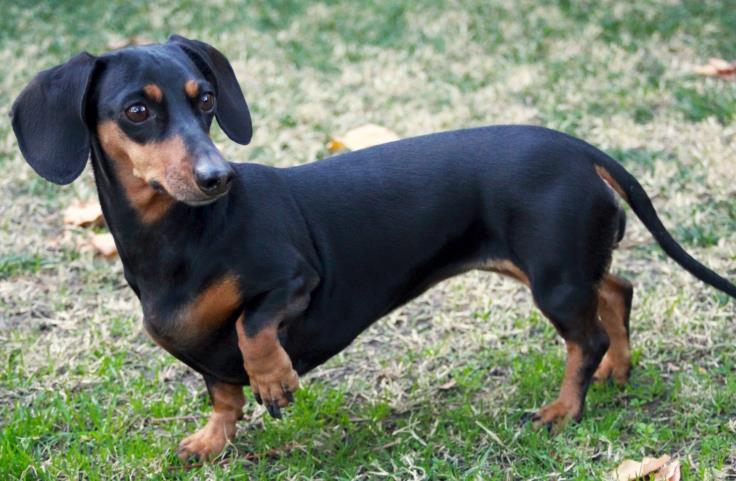
The Dachshund is the long, low German hound with a badger dog's job description and a big personality packed into a small frame. People love them for exactly that: a compact companion that likes to keep watch, follow its nose, and stay close to its people. They are confident, curious, and often very funny to live with. They are also a breed whose famous long back needs real thought, because how you lift them, feed them, and let them play can shape their comfort for years. Lead with the affection, but plan around the spine.
History and Origin
The name says what the dog was for. "Dachshund" comes from German roots meaning "badger dog", and the breed was shaped to work underground.2 Everything about the build follows that purpose: a long, low body, strong forequarters for digging, and a nose built to follow scent into tight places. It is a scent hound from Germany, and that working heritage still drives how a modern Dachshund behaves in the backyard.1, 2
Appearance and Physical Characteristics
A standing Dachshund can look a little improbable, then move with surprising speed the moment something interesting crosses the path.2 The breed comes in three coat types, smooth, long-haired, and wire-haired, and in a wide range of colours and patterns.1
Size is usually discussed as "standard" or "miniature", but real dogs do not always fit neatly into those terms. In Australian breed standards, size is often expressed as ideal weights (and in some contexts chest circumference), and the written standard is a guide, not a promise that every dog will match a single measurement.3 A smaller "Kaninchen/Rabbit" size also exists in some standards.1, 2
- Standard: ideal weight about 9 to 12 kg.3
- Miniature: ideal weight about 4.5 kg, desired maximum 5 kg.3
One safety note on colour. The well-known dapple is a mottled, marbled pattern, but breed standards used in Australia note that "double dapple" is considered unacceptable, along with some other colours and patterns listed as unacceptable in any variety.3 If you are buying a puppy, ask direct questions about coat genetics and health screening. A reputable breeder should be comfortable explaining it plainly.
Temperament and Personality
This is a small dog with real opinions. Most Dachshunds are alert and curious, with a strong interest in smells and movement. Many are confident and persistent, which can read as "stubborn" if training is rushed or inconsistent. They are often vocal watch-dogs, quick to announce a new sound at the fence line, and they usually do best with calm, steady routines rather than heavy-handed correction.1, 2
Is a Dachshund Right for You?
A Dachshund suits people who enjoy a small dog with character: a companion that likes to be close, keep watch, and follow interesting smells with quiet determination. They tend to do best in homes that can offer gentle handling, steady boundaries, and an environment set up to protect their back. That means ramps or steps, sensible play, and a lean body condition rather than a home full of high furniture to launch off. If you can commit to managing weight and movement carefully, the breed rewards it. If a hands-off dog that manages its own risks is what you want, this is not that dog.
Training and Exercise
Dachshunds were bred to work independently, and they often keep that self-directed streak. Training tends to go best when it is short, consistent, and reward-based, with tiny sessions stitched into daily life rather than long drills.
Early, gentle socialisation helps a lot. Low-pressure exposure to surfaces, sounds, visitors, handling, and friendly dogs helps many Dachshunds grow into steadier adults. You are building confidence, not testing bravery. For exercise, most Dachshunds need daily walks and sniffing time, and scent games (finding treats in the grass, simple tracking games at home) often suit them better than repetitive, high-impact jumping. If your dog is prone to launching off furniture, use ramps or steps and teach a calm "wait" before getting down.
Health and Lifespan
Dachshunds can be robust little dogs, and many live into their early-to-mid teens depending on genetics and care. The catch is that their body shape is strongly associated with spinal disease, and their small mouths can predispose them to dental trouble. Everyday choices around weight, safe movement, and dental care matter more in this breed than most people expect at first glance.
Back problems (IVDD)
Dachshunds are among the breeds predisposed to intervertebral disc disease (IVDD), a condition where discs in the spine degenerate and can compress the spinal cord. Not every Dachshund will be affected, but the risk is real enough to plan around.4 To lower strain on the spine:
- Keep your dog lean, because extra weight adds load through the back.5
- Limit repeated jumping on and off furniture, and use ramps or steps where possible.
- Lift with support under the chest and hindquarters, keeping the spine level.
- See a vet promptly for back pain, reluctance to move, weakness, or wobbliness.
Weight control
Obesity is common in pet dogs and is usually driven by too much food for the dog's needs. It can worsen mobility and quality of life, especially in a breed already managing a long spine.5 Habits that tend to work:
- Measure meals rather than free-pouring.
- Use part of the daily ration as training rewards.
- Weigh regularly and adjust early, before it creeps up.
- Ask your vet to show you what a healthy body condition looks like on your dog.
Dental care
Small dogs are often more prone to periodontal disease, and Dachshunds are frequently listed among breeds that may need more diligent dental care and professional attention.6
- Home tooth brushing is the gold standard when your dog will tolerate it.
- For chews, diets, and dental products, look for options carrying the Veterinary Oral Health Council (VOHC) Seal of Acceptance, which indicates evidence for plaque and/or tartar control when used as directed.7, 8
Grooming and Care
Grooming is simple, regular, and un-fussy, but each of the three coat types needs a slightly different rhythm.1
Smooth
A quick weekly brush, or a rub-down with a grooming mitt, usually keeps the coat tidy. They still shed, but the maintenance is light.
Long-haired
Brush a few times a week to prevent tangles behind the ears, under the chest, and around the feathering on legs and tail. Gentle, frequent grooming works better than occasional battles.
Wire-haired
Wire coats often benefit from periodic hand-stripping or trimming to keep the coat's texture and shape. A groomer familiar with wire coats can advise what suits your dog's skin and lifestyle.
A Few Things Worth Knowing
- The breed group is Hound (scent hound type), and the origin is Germany.1
- "Mini" is a size label, not a guarantee. Ask to meet the dam (and ideally the sire) and talk through adult size expectations with the breeder.
- If you have adopted, your vet can help you aim for a healthy body condition rather than chasing a number on the scales.
- Ramps and steps are not pampering for this breed. They are back protection.
The Bottom Line
A Dachshund is a small dog with a hound's nose, a watchdog's voice, and a strong wish to be near you. It is also a serious commitment to weight control and spine care. Keep the dog lean, keep the jumping down, keep up with teeth and vet checks, and you get years of a confident, characterful companion. Go in knowing the back is the part you manage for life.
References
- National Dachshund Council (Australia), ANKC Breed Standard information (Dachshund coat varieties and size notes)
- National Dachshund Council (Australia), The Dachshund (history, purpose, and overview)
- Dogs Australia, Dachshund breed standard (sizes/weights and colour notes, including unacceptable colours/patterns)
- Merck Veterinary Manual, Intervertebral Disk Disease (IVDD) in dogs
- RSPCA Australia, Ways to avoid obesity in dogs
- American Kennel Club, How to brush your dog's teeth (general dental care and note on breeds prone to periodontal disease)
- Veterinary Oral Health Council (VOHC), About the VOHC Seal of Acceptance
- VOHC, Accepted Products list (dogs)

Dog lover and writer at My Pets Australia, sharing practical breed guides and care advice for Australian pet owners.