CZECHOSLOVAKIAN WARMBLOOD
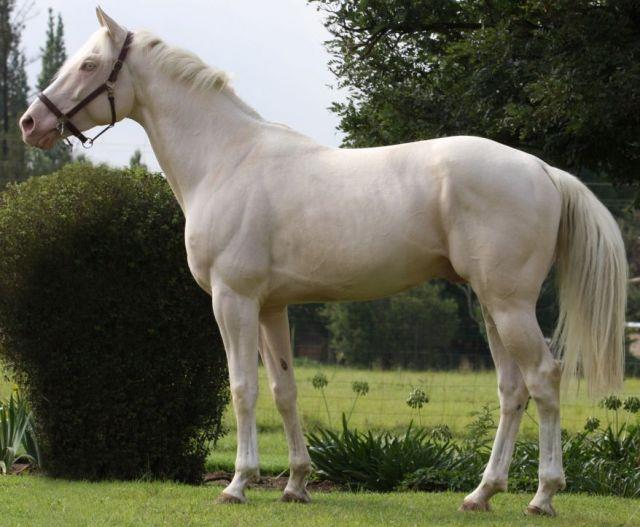
The Czechoslovakian Warmblood is a modern sport horse from the Czech and Slovak region, known today as the Czech Warmblood or Český teplokrevník. It was bred for one job: an athletic, easy-to-ride horse that can jump, do dressage and event without drama. Most stand around 170 to 175 cm and carry enough bone for durability while keeping a lighter, more athletic outline than a draught horse.2 The name gets used loosely, though, so if papers matter to you the label alone will not tell you much. It is a capable, versatile riding horse, and like any big horse it is a serious commitment of time and money.
Quick facts (at a glance)
- Origin: Czech Republic (modern sport-horse breeding developed in Czechoslovakia)
- Type: warmblood sport horse (riding horse)
- Typical height: commonly around 170 to 175 cm (about 16.3 to 17.1 hh)2
- Typical weight: often about 600 kg (varies with height and condition)2
- Common coat colours: bay and chestnut; black, grey and dun also occur2
- Common uses: jumping, dressage, eventing and quality recreational riding2, 6
- Life expectancy: many horses reach their 20s with good care (not a breed guarantee)
History and Origin
The Czech Warmblood is a modern sport-horse type developed through structured breeding in Czechoslovakia, using local mares and selected stallions from established sport and refining lines, including Thoroughbred and other European warmblood influences.2
In practice it is the familiar European warmblood story: generations of selection for soundness, rideability and performance, especially for jumping and dressage, rather than a closed, ancient breed maintained the way some native pony breeds are. In the Czech Republic the breed is organised under formal breeding goals aimed at a correct, rideable sport horse suitable for FEI disciplines and leisure riding.1
Appearance and Physical Characteristics
Most Czech Warmbloods present as medium-to-large riding horses with enough bone for durability but a lighter, more athletic frame than a draught breed. Height is often reported around 170 to 175 cm and weight around 600 kg, though both vary with sex, age and condition.2
Under saddle the type is selected for elastic paces and easy, balanced movement, the sort of quality that shows in a steady canter and a jump that feels organised rather than frantic. The Czech breed standard emphasises correct conformation, the absence of obvious or heritable faults, and firm health as a stated aim of selection.1 Bay and chestnut are the colours you see most, with black, grey and dun also occurring.2
Temperament and Personality
Warmblood sport horses are generally selected for trainability and rideability, but that is a population trend, not a personality guarantee. A quiet individual can come out of hot lines, and a sharp one can appear in an otherwise steady family.
Training outcomes usually hinge on early handling, consistent basics and day-to-day management. A horse that lives on good footing, eats like a horse and is brought on slowly tends to move and feel like it belongs in its own body.
Is a Czechoslovakian Warmblood Right for You?
This is a large, athletic sport horse that wants a job and regular, structured work. It suits a competent rider or an established yard aiming at jumping, dressage, eventing or serious recreational riding, and it is a poor fit for a nervous beginner or anyone without the time, land and budget a big horse demands.
If you are buying one described as a Czechoslovakian Warmblood, do not rely on the nickname. Confirm which stud-book the horse is recorded with and whether it holds full registration or sits in an auxiliary register, match microchip or brand markings against the paperwork, and read the performance and veterinary history. A pre-purchase vet exam appropriate to the work you plan to do is money well spent.
Training and Exercise
The Czech Warmblood is used principally in show jumping and dressage and is also considered suitable for recreational riding.2 It is a natural fit for eventing, which combines dressage, cross-country and jumping on the one horse.6
That versatility comes from a steady middle ground: enough blood for energy and athleticism, enough substance for durability, and a training-friendly mind when the horse is produced well. Like any sport horse, it needs consistent work and turnout to stay both fit and sane.
Health and Lifespan
No warmblood population is free of health issues, and it is more honest to say the common concerns are the usual horse concerns: feet, joints, digestion, weight and respiratory health, managed through practical husbandry and prompt veterinary care. With that care, many horses reach their 20s.
Dusty hay, mould and poorly ventilated stables can aggravate airway irritation in any horse. The fix is unglamorous: clean, well-ventilated shelter, good-quality feed that is not musty, wetting hay where appropriate, and not sweeping while horses are inside.4 Laminitis is not a Czech Warmblood problem specifically, but any horse can develop it under the wrong conditions, especially with sudden dietary change, high-sugar pasture or other metabolic factors. Steady feeding, controlled pasture access when needed, and prompt veterinary advice for heat in the feet, a pottery gait or reluctance to turn are the sensible defences.
Diet and Nutrition
Most adult horses do best on a roughage-first diet, adjusted to workload and body condition. Agriculture Victoria suggests a guide of roughly 1 to 2 kg of feed per 100 kg of bodyweight per day, noting that working horses may need supplementary feeding when pasture is insufficient.3
Clean water should always be available. In hot weather horses drink large volumes: Agriculture Victoria gives a guide of about 25 to 45 litres per day in hot conditions, and RSPCA WA gives a similar range for a 500 kg horse, often around 30 to 50 litres a day, with more in heat or exercise.3, 5
A Few Things Worth Knowing
- "Czechoslovakian Warmblood" is an informal label. In practice you are usually dealing with the Czech Warmblood, or Český teplokrevník, and its stud-book system, so confirm the actual registration rather than trusting the name.1
- Two names repeated online, Furioso II and Cor de la Bryère, were hugely influential sport-horse stallions but were not Czechoslovakian Warmbloods. Both were Selle Français stallions, Furioso II imported to Germany and Cor de la Bryère foaled in France before shaping Holsteiner jumping lines.7, 8
- Those older European lines turn up widely across modern warmblood pedigrees, so influence can appear far from a stallion's country of birth. That is context, not proof of a specific breed identity.
The Bottom Line
As long as riders keep asking for a horse that can jump, move and stay rideable in everyday hands, Czech warmblood breeding has a clear place. The stated breed goal centres on a correct, rideable horse with elastic movement, suitable temperament and solid health.1 It is a genuinely useful all-round sport horse. Just buy on the papers and the vet exam, not the nickname, and go in knowing a big athletic horse is real work.
References
- Asociace svazů chovatelů koní (ASCHK), Český teplokrevník (breed information and documents)
- Czech Warmblood (overview, characteristics and use)
- Agriculture Victoria, Basic horse care (feeding and water guidance)
- Agriculture Victoria, Feed requirements of horses (roughage, water, avoiding musty or mouldy feed)
- RSPCA Western Australia, Horse welfare (water and shelter notes)
- FEI, Eventing (discipline overview: dressage, cross-country and jumping)
- Furioso II (stallion background and influence)
- Cor de la Bryère (stallion background and influence)

Dog lover and writer at My Pets Australia, sharing practical breed guides and care advice for Australian pet owners.