Criollo Horse

The Criollo is a compact stock horse from the plains of South America, bred over centuries to work cattle across big, unforgiving country. Its reputation rests on stamina, soundness and the ability to hold condition where flashier horses fade. Australians most often meet it as a practical station and trail mount, or as an endurance prospect, and it is legal to keep here like any horse. If your priorities are toughness and a horse that settles into real work rather than show, it is a breed worth knowing. It is still a horse, though, with the same needs as any other: pasture, hoof care, dental checks and steady conditioning.
History and Origin
Criollo horses descend from Iberian horses brought to South America during early Spanish colonisation. In the Rio de la Plata region, horses that escaped or were released bred on open country, and the population was shaped by heat, cold, sparse feed and long distances, conditions that favoured thriftiness and stamina.1, 2
By the early 20th century, organised breeding programs and registries helped stabilise the Criollo type and protect it from being diluted by indiscriminate crossbreeding.2
Appearance and Physical Characteristics
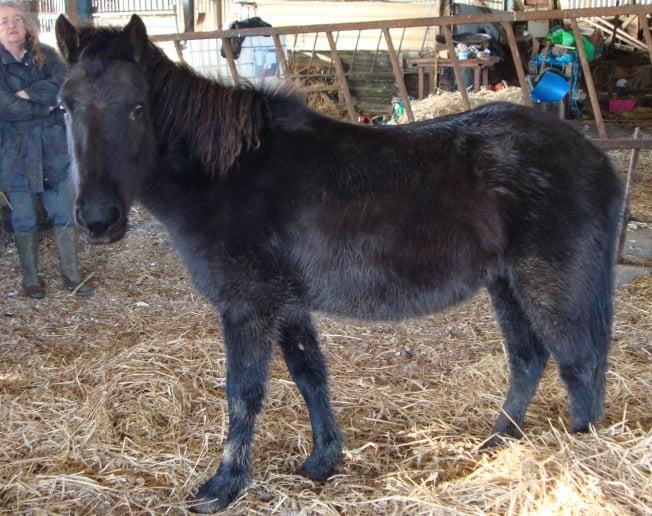
Picture a compact working horse, shorter-coupled through the back, deep through the chest, with strong bone and joints built for days in the saddle rather than a brief sprint. Breed descriptions consistently emphasise a sturdy, practical frame suited to uneven ground and long travel.2
Typical height is small to medium, often around 13.2 to 14.3 hands (roughly 137 to 150 cm), though there is variation across countries and bloodlines. Many are medium-weight stock horses, lighter than heavy draught types. Coat colour is not a defining limiter, with many colours occurring across Criollo populations, including bay, chestnut, black and lighter dun shades.2
Temperament and Personality
The Criollo is typically described as hardy, sensible and responsive when handled well, and often quick to learn. As with any breed, individuals vary, so temperament is something to assess in the horse in front of you rather than assume from the label.2
Is a Criollo Right for You?
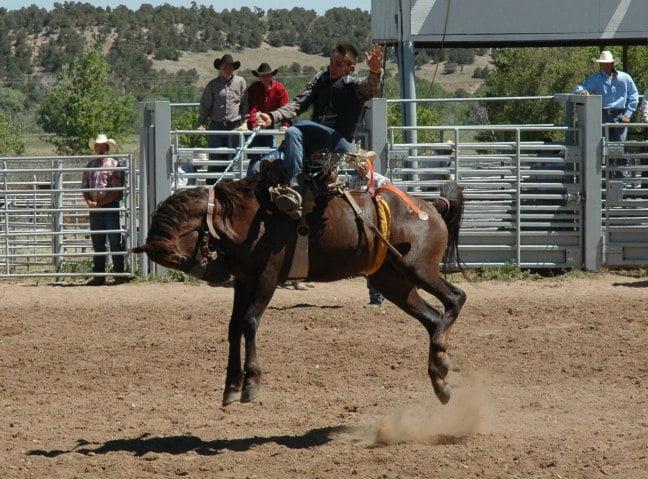
This is a working breed first, so it suits people who actually have work or distance for it to do. In South America, Criollos are classic stock horses, expected to turn, stop, travel and hold cattle quietly over big country, and they feature in ridden sport and long-distance riding traditions that reward stamina and soundness over flash.2 In Australia, you will most often see Criollo and Criollo-influenced horses in:
- stock work and station riding
- trail riding and ranch-style riding
- some endurance and distance riding, where individual suitability matters more than breed label
They can suit many Australian regions, but the breed is not a shortcut around good horsemanship. If you want a paddock ornament or a low-input first pony, this is not really the horse for that. If you want soundness, practicality and a mount that copes with variable country, it is worth meeting one in person before you decide.
Training and Exercise
Criollos are often quick to learn, but they still do best with calm, consistent handling and clear boundaries. Keep sessions short, build fitness slowly, and watch for the small signals (tightness through the back, a shortened stride, pinned ears, reluctance to turn) that can mean discomfort rather than attitude.
Modern equestrian welfare guidance is clear on the direction of travel: training should minimise fear, pain and distress, and handlers should stay alert to signs of stress and fatigue, not just performance outcomes.7
Health and Lifespan
With good care, Criollos commonly live into their mid-20s or longer, as with many horse breeds.6 The breed's reputation rests on efficiency: a horse that can stay sound and willing across distance, cope with weather swings, and maintain condition on ordinary forage when managed responsibly. That does not mean no care is needed. It means the baseline physiology and build tend to suit hard work and variable country.1, 2
In practice they need the same fundamentals as any horse: appropriate pasture management, routine hoof care, parasite control, dental checks and safe, progressive conditioning.
Diet and Nutrition
Criollos are typically managed on a forage-first diet: pasture and quality hay as the foundation, with salt and mineral supplementation as needed. Grain is not automatically required and is usually added only when workload, growth, pregnancy or lactation, or limited pasture makes extra energy necessary.
If you are transitioning a new horse onto richer pasture or higher-energy feed, do it gradually. Hardy types can still develop problems, including laminitis, if calories rise faster than their metabolism and hoof health can tolerate.
A Few Things Worth Knowing
- Breeding is about the job. Selective breeding locked in soundness, stamina, efficient use of feed and a practical frame. Modern programs may use parentage verification and genetic tools, but the day-to-day reality is simple: choose breeding stock on proven health, temperament, conformation and performance relevant to the work you expect the foal to do.2
- The Australian Army claim does not hold up. There is no clear, widely documented basis for the idea that the Australian Army uses Criollo horses specifically for mounted patrols and ceremonial duties. Military and ceremonial mounts are selected for temperament, training and availability rather than a single breed, and the Criollo is not commonly listed as a standard choice in public material.
- It is not an endangered breed. Broad claims that the Criollo is heading towards endangerment do not match reputable breed summaries. The Criollo is widespread across multiple South American countries and is actively bred, with established registries.2 The more realistic local pressures are loss of distinct type where crossing is common and selection is inconsistent, poor welfare where horses are overworked or started too hard, and land-use change affecting feral and semi-feral populations in some regions.
The Bottom Line
The Criollo is not known for being rare or delicate. It is known for being useful: a compact, enduring stock horse shaped by open country and long distance. If your priorities are soundness, practicality and a horse that settles into real work, it is a breed worth meeting in person, ideally quietly in a paddock, before you commit.
References
- Wikipedia, Criollo horse
- Encyclopaedia Britannica, Criollo horse
- FAO, Domestic Animal Diversity Information System (DAD-IS)
- FEI, New Equine Welfare Strategy Action Plan is Approved (6 June 2024)
- AgriFutures Australia, Horse care (general guidance for Australian horse owners)
- Merck Veterinary Manual (Horse owners), general horse health reference
- FEI, Equine Ethics and Wellbeing Commission (EEWC)
- Australian Equine Veterinary Association (AVA), equine resources and welfare information
- RSPCA Australia, animal welfare guidance (general principles relevant to training and handling)

Dog lover and writer at My Pets Australia, sharing practical breed guides and care advice for Australian pet owners.