Coton de Tulear Dog
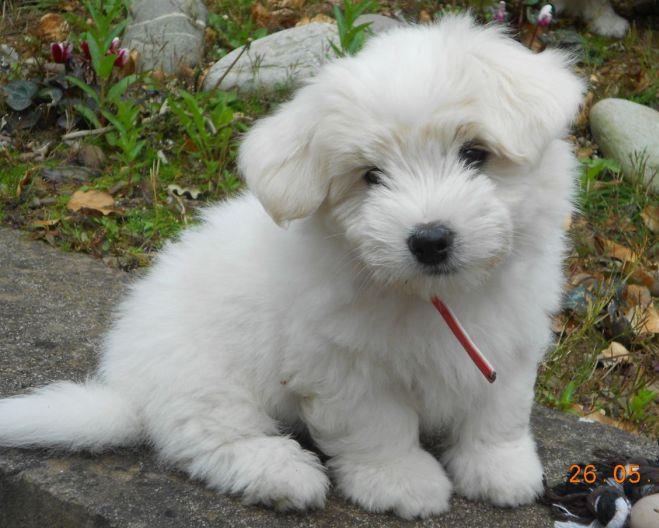
The Coton de Tuléar is a small companion dog with a soft, cotton-textured coat and a genuinely easy-going nature. People are drawn to it for good reason: it is sociable, adaptable, low-shedding, and happy to follow the household from room to room. The catch is the coat. Low-shedding does not mean low-effort, and the grooming work is real and ongoing. If you enjoy a close, people-focused dog and you are honest about the brushing time, this breed settles in quietly and stays for a long time.
Quick breed snapshot
- Size: Small; typically 23 to 28 cm at the withers (sex-dependent) and about 3.5 to 6 kg1
- Coat: Long, soft, cotton-textured; low-shedding, but not "no-maintenance"1
- Colour: White ground colour; slight light grey or red-roan shading is permitted (often noted on ears), but overall white is the aim1
- Temperament: Sociable, steady, people-focused; tends to adapt well to many living situations when properly socialised1
- Lifespan: Commonly quoted around the mid-teens; many sources place it roughly 14 to 16 years2
- Exercise: Moderate; daily walks and play are usually enough for a well-settled adult
- Grooming: Regular brushing to prevent mats; plan for ongoing coat work (and/or professional grooming)
- Training: Bright and responsive; does best with calm, consistent positive reinforcement
- Good with children: Often good, especially with gentle handling and supervision; like any small dog, they can be physically overwhelmed if play is rough
History and Origin
The Coton de Tuléar is a companion breed with origins in Madagascar, with "Tuléar" (often spelled Toliara) referring to a coastal port city associated with the breed's history.3 The modern breed standard lists Madagascar as the country of origin, with France as the patronage nation in the international standard record.3 In Australia the breed is recognised through Dogs Australia (ANKC), which publishes the breed standard used locally.1
Appearance and Physical Characteristics
This is a small, sturdy dog with a coat that feels more like cotton than silk. The overall impression should be white, with round, dark eyes and strong pigmentation around the nose and eye rims being typical in the standard description.1 Size is fairly tight for a small breed. In the Australian standard, males are listed at 26 to 28 cm and 4 to 6 kg, and females at 23 to 25 cm and 3.5 to 5 kg, with stated tolerances on height.1
The coat is often described as low-shedding, and many people seek the breed for that reason. The trade-off is matting. Loose hair tends to stay in the coat until you brush it out, especially behind the ears, in the armpits, and around the collar line.
Temperament and Personality
The Australian breed standard describes the Coton de Tuléar as stable, very sociable with humans and other dogs, and notably adaptable to different ways of life.1 Many owners experience this as a dog that wants to be near the household's centre of gravity, following quietly from room to room, then switching on with quick bursts of play. They can be alert and vocal at times. That is not unusual for a small companion breed with a watchful streak, and it is easiest to shape early: reward calm, and do not accidentally train the alarm system.
Is a Coton de Tuléar Right for You?
A Coton suits households that want a close companion and can commit to coat care. They often fit well in smaller homes, but they do not thrive on being left out of family life. Most want steady contact, predictable routines, and a bit of daily purpose. If you love the look but not the grooming, consider whether you are comfortable keeping the coat clipped short. It changes the silhouette, but it can make day-to-day care far more realistic.
Training and Exercise
Start socialisation early and keep it gentle: new surfaces, everyday sounds, calm dogs, friendly strangers, quiet handling. The goal is not to flood them with experiences, but to build a steady baseline so the dog can take novelty in stride. Training tends to go best with short sessions and positive reinforcement. If progress stalls, it is usually not defiance. It is unclear cues, too many distractions, or reinforcement that arrives too late.
A Coton usually does well with a daily walk plus short play sessions. They are small, but not ornamental. Most enjoy learning games, sniffing walks, and training that uses their brain as much as their legs.
Health and Lifespan
No breed is free of genetic issues, and it is safer to be precise here. Cotons are often described as generally healthy, but certain conditions are seen often enough that they are worth discussing before you commit.
Patellar luxation, or a slipping kneecap, is common in many small breeds. It involves the kneecap moving out of its normal position, and can range from occasional skipping steps to more persistent lameness.4, 5 Ask what screening the parents have had, and what the breeder has seen in their lines. Other concerns can occur in some lines, including eye disease and bleeding disorders. Purina's Australian breed summary notes patellar luxation and von Willebrand's disease as conditions that can occur.2 Use this as a prompt for a proper, documented health conversation: results, not reassurance. On lifespan, many sources place the breed roughly in the mid-teens, around 14 to 16 years.2
Grooming and Care
Expect frequent brushing. How often depends on coat length, lifestyle, and whether your dog wears a harness daily, but "once in a while" usually ends in tight mats that need clipping out.
- Brush and comb: Focus on friction zones (behind ears, under collar/harness, armpits, groin, legs).
- Bathing: Keep it simple: dog shampoo, thorough rinse, and careful drying so the coat does not felt.
- Nails, ears, teeth: Small dogs commonly need regular nail trims; check ears and maintain dental care as part of the weekly rhythm.
Diet and Nutrition
Choose a complete, balanced diet appropriate for a small breed and your dog's life stage. Keep treats small and purposeful. With a compact dog, even minor overfeeding shows up quickly in the ribs and waistline.
A Few Things Worth Knowing
Before you commit, these are the practical questions to put to a breeder:
- What health screening has been done on the parents, and can you show the results?
- Have you had patellar luxation in your lines, and at what grades or severity?
- What is your typical grooming routine for adult coats, and what do you recommend for pet homes?
- How are puppies raised and socialised before they go home?
The Bottom Line
The Coton de Tuléar is a small companion dog built around closeness, a light-footed shadow with a cotton coat that asks to be maintained. Choose carefully, ask for evidence of health screening, and be honest about grooming time. If those pieces fit your life, they tend to settle in quietly and stay for a long time.1, 2
References
- Dogs Australia (ANKC), Coton de Tuléar breed standard
- Purina Australia, Coton de Tuléar breed information (lifespan, general health notes)
- FCI Standard No. 283 (as reproduced), Coton de Tuléar (origin/patronage; general description)
- VCA Animal Hospitals, Luxating patella in dogs (overview and signs)
- Orthopedic Foundation for Animals (OFA), Patellar luxation (definition, heritability notes, grading overview)

Dog lover and writer at My Pets Australia, sharing practical breed guides and care advice for Australian pet owners.