Conures as Pets: A Comprehensive Guide for Australian Bird Lovers
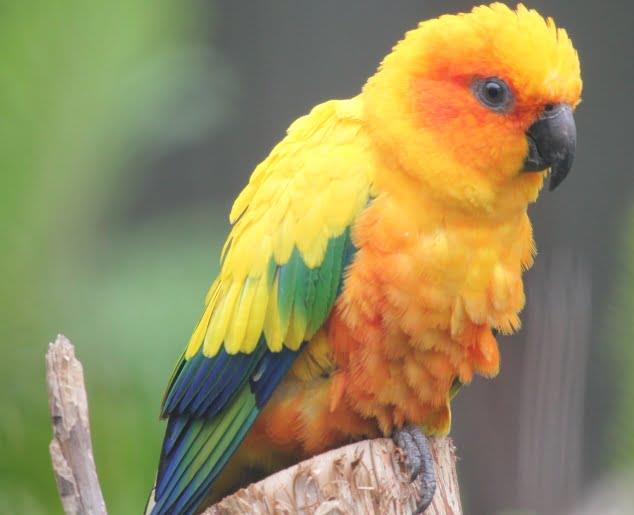
A conure is a small, bright parrot that spends its whole day climbing, chewing, watching, and calling out, and that busy energy is exactly why people love them. They are clever, social, and quick to bond, and many pick up simple words or household sounds along the way. They are also a decades-long commitment rather than a passing pet. A conure needs safe housing, a diet built around pellets rather than seed, daily out-of-cage time, and an avian vet you can actually reach. Whether one suits your home comes down to ordinary practical things: noise, space, routine, and your neighbours.
One legal note first. Conures are non-native parrots, and rules for keeping exotic birds vary by state and territory in Australia. Some species may need a permit or licence. Before you buy, check the requirements with your state or territory wildlife authority.
Conure snapshot (quick facts)
- Size: Small parrots. Most commonly kept conures are roughly 25 to 33 cm long, depending on species.1, 2
- Weight: Typically around 60 to 130 g depending on species and individual build.3
- Colours: From mostly green (for example, green-cheeked conures) to bright yellow-orange (for example, sun conures).1
- Temperament: Intelligent, social, and busy. Can become nippy or noisy if bored or mishandled.2
- Diet foundation: A formulated pellet base with vegetables and smaller amounts of fruit. Seeds are best kept as treats, not the main meal.2, 4, 5
- Lifespan: Commonly 15 to 25 years or more. Some individuals reach around 30 years with excellent care, though species and husbandry matter.1, 2
- Habitat: Conures are native to parts of Central and South America, but are widely kept as companion birds worldwide.1
Why people choose conures (and why some don't)
A well-kept conure is a small, bright presence that climbs, chews, watches, and calls out all day. Training tends to come naturally when you keep sessions short and reward-based, and many learn simple words or household sounds, though talking is usually not their main talent.2
The trade-offs are predictable. Conures are built for movement and noise, so the same energy that makes them engaging also means they rarely thrive as cage ornaments. Some species, especially sun conures, are famously loud, with sharp, repetitive calls that carry through walls.2
Common pet conure types in Australia
Green-cheeked conure (green-cheeked parakeet)
Often chosen for smaller homes because they are generally quieter than many other conure species. They are compact, active, and can be very interactive with daily handling, but they still need structure and consistent boundaries to avoid developing bitey habits.6
Sun conure
Bright yellow and orange, and hard to ignore. Sun conures are social and playful, but they are also known for loud, shrill calls. If noise is your main concern, this is the species to think about carefully before you commit.2
Jenday conure
Similar in size to a sun conure, and also lively and vocal. Temperament varies bird to bird, but the general pattern is the same: they do best with daily interaction, training, and plenty of chewing and foraging outlets.
Temperament and behaviour
Conures are flock birds, and in a home that usually means a strong preference for being near people, seeing what is happening, and having predictable contact every day. When that need is not met, boredom can show up as screaming, repetitive pacing, or feather-destructive behaviour.2
They can suit families, including homes with older children who can learn calm handling, though supervision matters. Small parrots can be injured quickly by rough hands, and bites happen most often when body language is ignored: pinning eyes, a flared tail, lunging, or sudden stillness before a snap.2
Training and enrichment
Training is less about tricks and more about safe handling: stepping up, accepting brief restraint, and moving calmly between cage and play areas. Reward-based methods (tiny treats, praise, attention) work best, and short sessions done often tend to beat long sessions done rarely.2
Enrichment is not optional for conures. They are wired to forage and chew, and they will practise those behaviours on your skirting boards if you do not give them better options. Useful staples include:
- Foraging toys and puzzle feeders (food hidden in paper, cardboard, or purpose-made toys)
- Chewable materials (bird-safe wood, shreddable paper toys)
- A rotation of toys so the cage never feels solved
- Daily supervised out-of-cage time for movement and social contact2
Housing and environment
Cage size and setup
Choose the largest cage you can fit and safely manage, with appropriate bar spacing (small enough that the bird cannot get its head through). Conures climb constantly, so horizontal bars, multiple perches, and a layout that encourages movement make a real difference.2
Perches should vary in diameter and texture. Natural branches are useful for foot health, and placing perches so droppings do not fall into food and water dishes reduces daily mess and risk.5
Placement and household hazards
Put the cage where the bird can see household life without being trapped in the chaos, away from cooking fumes, draughts, and direct blasting sun through glass. If you are setting up a bird room, ventilation matters as much as space.
Diet and nutrition
Most conure diet problems come from one familiar bowl: a seed mix that is easy, tasty, and nutritionally incomplete. Many veterinary resources recommend a formulated pellet as the main food, with vegetables and smaller amounts of fruit, and seeds reserved for training or occasional treats.4, 7
A practical daily balance
- Pellets: around 60 to 70% of the diet for many pet conures.4, 7
- Vegetables and greens: offered daily, in a wide mix, with darker veg usually being more nutrient-dense.5
- Fruit: smaller amounts than vegetables. Fruit is sugary, so treat it as a side dish, not a main course.5, 7
- Seeds and nuts: best kept limited, often as training rewards.7
Foods to avoid
Some common household foods are toxic to parrots. Avoid at minimum:
Feeding routine
Many people feed pellets and vegetables in the morning, refresh vegetables later if needed, and use seeds or nuts only for training. Remove fresh foods before they spoil, especially in warm weather, and change water daily.4
If you are converting a seed-addicted bird to pellets, do it gradually and monitor weight. Sudden diet changes can lead to a bird quietly eating less than you think.5
Grooming and care
Bathing is part of normal feather care for many conures. Some prefer a shallow dish, others like gentle misting. Regular bathing supports feather condition and can make moulting periods easier to manage.8
Nails and beaks usually stay in shape when the bird has the right perches and safe things to chew. If nails become sharp or overgrown, ask an avian vet or experienced groomer to show you safe trimming, since quicking a small parrot can bleed more than people expect.
Health and lifespan
With good husbandry, many conures live well into their teens and twenties, and some reach around 30 years. Poor diet, chronic stress, and lack of movement tend to shorten that arc dramatically.1, 2
Common problems seen in pet conures
- Obesity, often tied to seed-heavy diets and low activity.7
- Feather-destructive behaviour, which is a sign rather than a diagnosis and may relate to boredom, stress, skin disease, pain, or other medical issues.
- Respiratory illness. Birds hide early signs, so changes in breathing, voice, or energy deserve prompt attention.
- Psittacine beak and feather disease (PBFD), a serious viral condition. Prevention and biosecurity are crucial when introducing new birds.8
Preventative care that actually helps
- Find an avian vet early and book routine checks, rather than waiting for the first emergency.
- Weigh weekly on kitchen scales at the same time of day to catch slow weight loss or gain.5
- Keep the cage clean, especially food and water areas, to reduce infection risk.
- Quarantine new birds and discuss testing with your vet before introducing them to an existing bird.
The Bottom Line
A conure is small enough to sit on your shoulder, but it lives on a bigger scale than many people expect. It needs daily attention, steady training, and a diet built around pellets and fresh foods rather than seed. If noise is a deal-breaker, choose the species carefully and be honest about your walls, your neighbours, and your mornings. When the match is right, a conure is a bright, observant companion that is always climbing, always chewing, always listening, and always present.
References
- WebMD: Sun Conures, characteristics, lifespan, and care
- PetMD: Sun Conure Care Sheet
- Green-cheeked parakeet (Pyrrhura molinae) overview
- PetMD: Small Conure Care Sheet
- Animal Welfare League Queensland: Bird care (diet, pellet conversion, weight monitoring)
- Green-cheeked parakeet in aviculture (temperament and relative noise)
- VCA Animal Hospitals: Feeding conures
- PetMD: Psittacine beak and feather disease (PBFD)

Dog lover and writer at My Pets Australia, sharing practical breed guides and care advice for Australian pet owners.