Connemara Pony
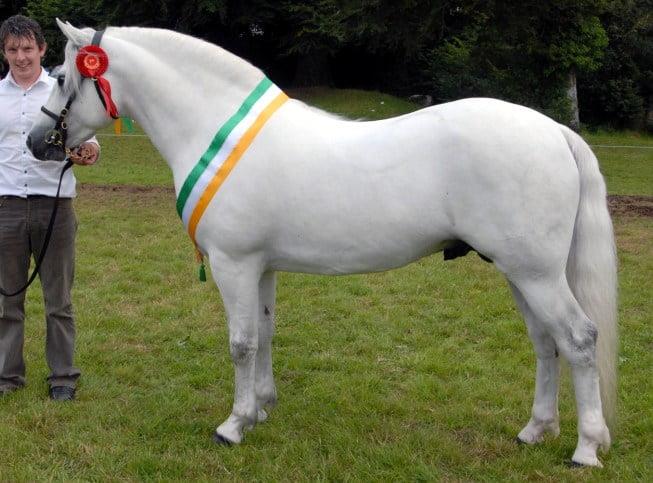
The Connemara Pony is a compact, athletic riding pony from the west coast of Ireland, valued for good bone, a sensible head, and a genuine talent for jumping. Owners often describe it as a lot of pony in a small package: strong enough to feel secure under an adult, agile enough to keep a keen rider interested, and level-headed enough to suit a family. It is a common first choice for people weighing up a versatile pony for riding club, pony club or all-round pleasure work. Ponies are legal to keep across Australia, though the practical side matters just as much as the breed's reputation. Get the feet, forage and weight right and you have a tough, willing partner for years.
History and Origin
The breed comes from the Connemara region of County Galway on Ireland's western seaboard, where bog, stone and hard weather favour animals that waste little energy and keep their feet under them. Modern breed development was formalised through the Connemara Pony Breeders' Society and stud book, established in the early 1920s, with an emphasis on a practical riding type: depth through the girth, strong limbs and a ground-covering stride.3, 4
Appearance and Physical Characteristics
Connemaras are compact without looking blocky, and they carry riders well for their height thanks to substance through the body and solid bone.4 Many breed standards place them in the 128 to 148 cm range, roughly 12.2 to 14.2 hands, with 14.2 hands commonly treated as the upper limit for pony classes and breed-type inspections. The exact figures depend on the registry and class rules.1, 2 A fully mature pony often sits somewhere around 400 to 500 kg, though individuals can be lighter or heavier depending on height and condition.
Expect a proper Irish coat: long guard hairs over a soft undercoat in winter, then a cleaner summer coat. Grey is common, and dun, bay, brown and black are also seen. Some registries restrict pinto or spotted patterns for purebred classes, so check the rules that apply to your discipline.1, 2
Temperament and Personality
A good Connemara is typically straightforward to live with: alert, trainable and practical under saddle. That does not mean bombproof by default. Young ponies still need calm handling, clear boundaries and steady exposure to the world, especially if they are expected to carry children or novice riders. The breed was developed as a working and riding pony rather than a specialist hot-house type, and it shows in a willing, tractable attitude.4
Is a Connemara Pony Right for You?
For an everyday owner who wants one pony that can turn its hoof to most things, the Connemara is a strong candidate. Its reputation is built on usefulness. You will see the breed in jumping, where careful, economical technique and good balance often make a pony feel braver than its size suggests; in eventing and pony club, where sure-footedness and stamina are part of the traditional story; in dressage foundations, where a sensible brain and decent paces suit riders who enjoy correct basics; and in driving, where the strength-to-size ratio and workmanlike attitude translate well to harness.4
The main thing to plan for is weight. Many Connemaras are efficient easy keepers, and the same traits that helped them thrive in lean Irish conditions can become a management challenge in lush Australian paddocks. That is husbandry, not a fault in the pony, but it does mean you need grazing you can control.
Training and Exercise
Train a Connemara as you would any athletic pony: steady, progressive loading, plenty of straight lines and transitions, and careful attention to hoof balance and saddle fit as the body changes. Connemaras can be stoic, so subtle signs of discomfort matter and are worth acting on early. Consistent movement suits the breed. Aim for regular work rather than the occasional big ride.
Breeding programs commonly focus on soundness, correct limbs and feet, and a riding temperament that stays manageable as the pony matures. Many societies use inspections or evaluations to encourage consistency of type, movement and behaviour, which is worth knowing if you plan to breed or show.2
Health and Lifespan
Connemaras are generally hardy and often live well into their 20s, and sometimes longer, with good care.5 Hardy does not mean immune to modern problems, and two issues owners commonly watch for are sweet itch and laminitis.
Sweet itch, or insect-bite hypersensitivity, is an allergic skin reaction to biting insects, often midges. It can cause intense itch, rubbing, hair loss and skin damage. Management usually focuses on reducing insect exposure through rugging, stabling at peak midge times and physical barriers, alongside a vet-guided anti-itch and skin-care plan where needed.6
Laminitis is a painful, potentially life-changing condition affecting the tissues that support the pedal bone within the hoof. It can happen at any time of year, and prompt veterinary attention matters because it can lead to permanent hoof damage. For many ponies, risk management is built around keeping a healthy body condition, being cautious with rich pasture and high-sugar feeds, and responding early to warning signs: short, pottery steps, reluctance to turn, heat in the feet, a stronger digital pulse. If you suspect laminitis, treat it as urgent and call your vet.7
Grooming and Care
Connemaras thrive on ordinary, consistent care, but the basics matter more when a pony is busy, barefoot on hard ground, or prone to weight gain.
- Hooves: regular farrier or trimmer visits, with footing and workload guiding shoeing decisions
- Teeth: routine dental checks to support comfort, weight maintenance and bitting
- Grooming: extra attention during coat change and in wet weather to spot skin irritation early
- Exercise: consistent movement, aiming for regular work rather than occasional big efforts
Diet and Nutrition
Good-quality forage is the base of the diet. Use hard feed only if workload and condition genuinely require it, and monitor weight carefully in spring and after rain, when Australian pasture can turn rich quickly. For an easy keeper, controlled grazing is the single most useful management tool you have, and it feeds straight back into laminitis prevention.
A Few Things Worth Knowing
- Confirm height honestly before buying: ask how and when it was measured, since ponies can change as they mature, and check what matters for your intended classes.1, 2
- Ask about grazing and weight history. Easy keeper is useful information, not a criticism.
- Look at feet and limb quality. Connemaras are valued for good bone and practicality, so be wary of persistent, unresolved soundness stories.
- Do a pre-purchase exam, especially if the pony is intended for jumping, eventing or regular child use.
- If registration matters to you, check the society relevant to your country and discipline, and verify paperwork before purchase.3, 5
The Bottom Line
The Connemara Pony is built for real riding: strong enough to feel secure, agile enough to stay interesting, and generally sensible enough to suit everyday owners. In Australia, the same pony that excels in the ring still needs the quiet, unglamorous parts done well. Look after the feet, forage, weight and steady training, and its toughness will not get mistaken for invincibility.
References
- Canadian Connemara Pony Society, Breed Standard (height and colour guidance)
- Canadian Connemara Pony Society, Inspections (evaluation and breed standard summary)
- The Wild Geese (Ireland), Connemara Pony history and stud book notes
- Equus Magazine, Breed Profile: Connemara Pony (origin, characteristics and uses)
- American Connemara Pony Society, About Connemaras (type, height range, longevity notes)
- Merck Veterinary Manual, Insect hypersensitivity in horses (sweet itch overview)
- The British Horse Society, Laminitis (signs, urgency and consequences)
- FAO DAD-IS, Domestic Animal Diversity Information System (breed origin and background resource)

Dog lover and writer at My Pets Australia, sharing practical breed guides and care advice for Australian pet owners.