Comprehensive Guide to Pet Rat Care in Australia
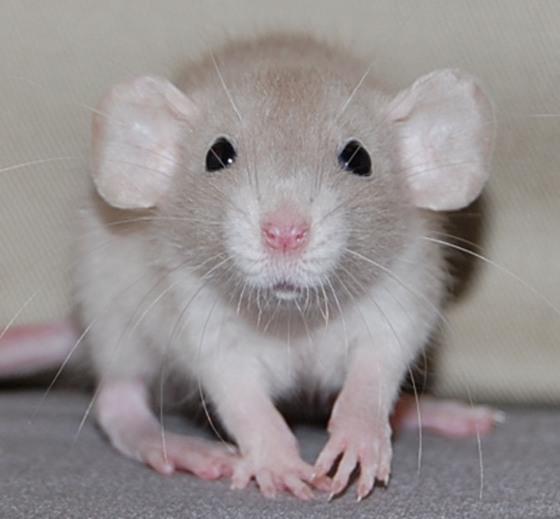
Pet rats are among the most rewarding small animals you can keep. They are clever, sociable, quick to learn their owners, and they settle into a household routine faster than most people expect. They are also legal to keep across Australia, which is not true of every rodent. The trade-off is that rats are hardy in some ways and fragile in others, so small gaps in housing, diet, temperature, or companionship can quietly turn into stress or illness. This guide covers how to choose healthy rats, set up a safe home, feed them well, and read their behaviour without guessing.
Choosing the Right Pet Rat
Most pet rats in Australia are domestic "fancy rats", the domesticated form of Rattus norvegicus. Names like "Dumbo" (lower-set ears) or "hairless" describe appearance rather than a separate species. Temperament varies more by early handling and breeding than by colour or ear type, so aim to meet the rats and watch how they cope with normal household activity.
When you look one over, a quick health check tells you a lot:
- Breathing: quiet and easy. Persistent sneezing, wheezing, clicking, or effort at the flanks can point to respiratory disease.
- Eyes and nose: clean, with no crusting or wet discharge.
- Coat and skin: smooth and well-kept, without scurf, scabs, or obvious scratching.
- Body condition: not bony, not barrel-shaped, moving freely.
- Behaviour: curious and responsive. A rat that freezes, seems dull, or sits hunched for long periods needs closer scrutiny.
Rescues and shelters can be a good option, especially if you want adults with known temperaments. If you are buying, choose a source that keeps rats in clean, well-ventilated housing, can tell you the rats' age and sex with confidence, and will not sell a single rat as an only pet. Rats are social animals and are typically best kept in compatible pairs or small groups, usually same-sex unless desexed and carefully managed.1, 2
Housing and Environment
A rat's cage is less a box and more a landscape. Prioritise horizontal space, climbing routes, and safe hiding places over novelty shapes. Good ventilation helps reduce ammonia build-up, which can irritate airways, so wire cages are generally preferable to aquariums and solid plastic tubs.1
- Bar spacing: small enough to prevent escapes, especially for young rats.
- Levels and fall safety: multiple platforms are useful, but add hammocks and shelves so a slip is not a long drop.
- Hides and nesting: provide at least one enclosed hide per rat, plus nesting material.
For bedding, choose a low-dust product that supports burrowing and keeps feet dry. Many owners do well with recycled paper-based products and shredded paper. Avoid dusty bedding and avoid sawdust, which can irritate the respiratory system.1
Keep the cage in a sheltered, well-ventilated spot out of direct sun and strong winds. Rats can overheat quickly, and heat stress risk rises sharply at high temperatures, especially when humidity is also high.1, 6
Diet and Nutrition
Rats are omnivores, and feeding them well is straightforward. The reliable approach is to use a balanced, purpose-made rat pellet or laboratory-style "block" as the staple, then add small amounts of fresh food for variety and enrichment.1
Offer small serves of fresh vegetables and some fruit. Variety matters, but freshness matters more, and rats will often ignore tired produce. Fresh water should be available at all times.5
Some foods are unsafe, and some are risky because they are sticky or easily inhaled. One well-recognised hazard is sticky foods, including peanut butter, which can cause choking. Schools and animal-care guidance in NSW also lists a range of foods to avoid entirely, including items such as avocado and rhubarb. When in doubt, do not offer it until you can verify it is safe.5
Health and Wellness
Respiratory disease is one of the most common problems seen in pet rats. Tumours are also common, especially mammary tumours, which can appear anywhere along the underside from chin to tail because rats have widely distributed mammary tissue. Early veterinary assessment matters, because small changes can move quickly in a short-lived species.3, 4
See a vet promptly if you notice any of the following:
- Laboured breathing, persistent wheeze or clicking, or repeated sneezing that does not settle
- Rapid weight loss, refusal to eat, or sudden change in thirst
- Lumps that grow, ulcerate, or interfere with movement
- Head tilt, stumbling, weakness, or marked lethargy
- Open sores, severe itching, or widespread hair loss
Prevention is mostly about the basics. Keep housing clean and dry, reduce dust, maintain good ventilation, and avoid overheating. Regular handling helps you notice problems early: a new lump under the coat, a roughened back, or breathing that is louder than yesterday. Rats hide illness well until they cannot, so if something seems off, ring a vet promptly.2, 3
Socialisation and Behaviour
Rats usually do best with other rats. Pairing or small groups reduce stress and provide grooming, play, and warm "piles" of rest that a human cannot replicate. To avoid unwanted litters, keep males and females separate unless desexed and advised by a vet, and introduce new rats with care.1, 2
They communicate constantly through posture, movement, scent, and quiet sounds. A relaxed rat tends to move fluidly and explore, pausing to sniff and climb. A stressed rat often freezes, tucks itself into corners, or startles at ordinary movement. Watch patterns, not single moments.
Taming works best with gentle, predictable steps:
- Let them choose the distance. Sit near the cage and offer your hand without chasing them around the enclosure.
- Reward curiosity. Use small, non-sticky treats so they learn your hands predict good things, and avoid peanut butter and other sticky foods.
- Lift with support. Scoop up with two hands and support the body, and do not pick up by the tail.8
- Keep sessions short. Frequent, calm contact works better than long sessions that end with wriggling and escape attempts.
Exercise and Enrichment
Most rats benefit from daily time outside the cage in a rat-proofed area. Think of it as a safe patrol route: boxes to investigate, tunnels to thread through, fabric to nest in, and a few elevated lookouts. Keep other pets away, because many injuries happen in a single second of curiosity or play.7
Inside the cage, build layers: hammocks, ropes, ladders, hides, chew items, and foraging opportunities. Rotate a few items each week rather than filling the cage with everything at once. Rats tend to engage more with a space that changes slightly and often.
Grooming and Maintenance
Grooming is usually minimal, because rats groom themselves and each other. Your role is mostly inspection: check the coat and skin, look for scratches, scabs, and thinning fur, and notice whether grooming has dropped away, which is often an early sign of illness. Nails may need occasional trimming, but take care to avoid the quick.
For cleaning, spot-clean daily for wet patches and old food, then do a deeper clean regularly so the enclosure never develops a strong smell. Strong odour often means urine build-up and poor ventilation, which can irritate airways. Use pet-safe cleaning products and rinse well, then dry before re-bedding.1
A Few Things Worth Knowing
Rats learn quickly and can be trained with simple rewards and repetition. Researchers have also recorded ultrasonic vocalisations during play and tickling, sounds we cannot hear without special equipment. A rat's world is busy and detailed, full of signals happening just outside our senses.9
Common Questions
Should I keep one rat or two?
Two or more is usually kinder and easier long-term. Rats are social and typically do best in compatible pairs or groups, ideally same-sex unless desexed and carefully managed.1, 2
What is the best cage type?
A well-ventilated, secure wire cage with space to climb, hide, and nest is generally preferred over enclosed tanks, which can trap humidity and odours.1
Why is my rat sneezing?
Occasional sneezes can happen, but persistent sneezing or noisy breathing is common with respiratory disease and should be checked by a vet, especially if there is discharge, weight loss, or lethargy.3
Do rats need baths?
Usually no. They keep themselves clean. If needed, spot-clean with a damp cloth and address the cause, whether that is dirty bedding, unsafe substrate, or a medical issue affecting grooming.
The Bottom Line
Well-kept rats look busy without being frantic: climbing, foraging, grooming, then folding into a quiet rest together. Get the basics right, meaning companionship, ventilation, clean bedding, steady temperatures, and a balanced staple diet, and most of the common problems (smell, stressy behaviour, constant minor sniffles) ease back into the background. When something changes quickly, treat it as meaningful and involve a vet early.3
References
- RSPCA NSW, How to care for your rat
- Agriculture Victoria (Animal Welfare Victoria), Caring for pet rats and mice
- Merck Veterinary Manual, Disorders and diseases of rats
- RSPCA Australia, Adopting other animals (mice and rats)
- NSW Department of Education, Rats: food and water (Animals in Schools)
- Agriculture Victoria, Code of Practice: climate control (laboratory rodents)
- Australian Rat Fanciers Society (Victoria), Considering pet rats
- RSPCA Australia, Caring for pet mice (handling guidance relevant to small rodents)
- Nature, "Laughing rats?" (report on ultrasonic vocalisations during tickling/play)

Dog lover and writer at My Pets Australia, sharing practical breed guides and care advice for Australian pet owners.