Comprehensive Guide to Caring for Your Boston Terrier
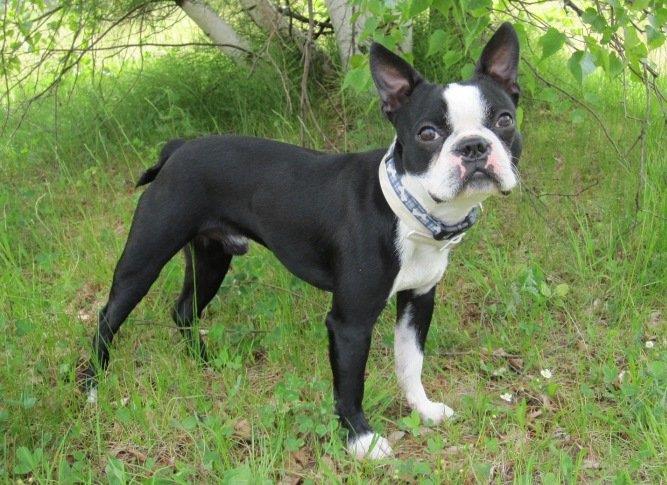
The Boston Terrier is a small, bright companion dog that earned the nickname "American Gentleman" for its neat tuxedo markings. They are social, quick to learn and happiest kept close to daily household life, which makes them a popular choice for apartments and smaller homes. The short muzzle that gives them so much character also changes the rules around exercise, hot weather and even everyday walks. It is a genuinely good pet for the right owner, but that flat face needs to be taken seriously. This guide keeps the appeal front and centre and is honest about the demands.
History and Origin
The Boston Terrier was developed in the United States in the late 1800s, with early dogs descending from bull-type dogs and now-extinct white terriers. The breed was accepted by the American Kennel Club in 1893, and it remains one of the best-known American-origin companion breeds.5
Appearance and Physical Characteristics
A Boston Terrier is compact and squarely built, small enough that adult weight typically reaches up to about 11.4 kg (25 lb) depending on the breed standard used.1, 2 The coat is short, smooth and glossy, with sharply defined white markings that often resemble a tuxedo.1 Breed standards describe brindle, seal, or black coats with white, and define "seal" as appearing black except for a red cast in bright light; other colours are not accepted in standard conformation.1, 2
That short muzzle is not just a look. It affects airflow, panting efficiency and heat tolerance, details that matter more than most new owners expect.3
Temperament and Personality
Boston Terriers are typically social, alert and quick to learn, tending to thrive when they are kept close to daily household life rather than left to entertain themselves. Individual temperament still varies, but most are friendly, lively and people-focused. They often suit apartment living because they do not need long-distance running, though they do need regular interaction and short bursts of activity.
With children and other pets, they are often gentle and play-oriented, especially when they have been calmly socialised from puppyhood. Supervision still matters, because small dogs can be injured easily by rough handling even when everyone means well.
Is a Boston Terrier Right for You?
This breed rewards a steady, observant owner more than an energetic one. If you can commit to gentle daily activity, careful heat management and prompt vet attention when breathing or eyes change, a Boston Terrier fits well into a busy household or a small home. If you want a dog to run long distances with, or you cannot avoid exercising in the heat of the day, the flat-faced build works against you. The grooming is easy and the size is manageable, but the airway and eyes are lifelong responsibilities, not occasional ones.
Training and Exercise
Boston Terriers usually respond best to quiet consistency and rewards. Keep training sessions short, frequent and practical, covering walking manners, settling on a mat, coming when called and comfortable handling of paws, ears and mouth.
- Start early: introduce new sounds, surfaces, visitors and friendly dogs in controlled settings.
- Use rewards: food, praise and play work well; avoid harsh corrections, which can create anxiety and resistance.
- Build handling tolerance: brief daily practice touching paws and looking at eyes and ears makes grooming and vet visits easier later.
Most Boston Terriers do well with a couple of short walks and some play each day. The key is pacing. Flat-faced (brachycephalic) dogs can overheat quickly, particularly in warm, humid weather, because panting may not cool them efficiently.3, 4
- Choose early morning or evening walks in summer.3, 6
- Use a well-fitted harness rather than a collar if your dog tends to snort, cough or pull.4
- Watch for overheating signs (relentless panting, weakness, vomiting, confusion) and stop immediately if you see them.3, 6
Health and Lifespan
Boston Terriers are often robust little dogs that live around 11 to 13 years, but there are predictable weak points. The most important are breathing, eyes and weight management.
Brachycephalic airway and heat risk
Because Boston Terriers are brachycephalic, they can struggle to move enough air during exertion or heat, which increases their risk of heat stress and heatstroke. Keeping them lean, avoiding hot-weather exercise, and treating noisy or laboured breathing as a reason to speak with your vet can make a real difference over time.3, 4
Eyes
Prominent eyes are part of the breed's look, but they are also more exposed. Eye injuries and corneal problems can worsen quickly, so any squinting, persistent tearing, or a cloudy or blue patch on the surface of the eye is worth prompt veterinary attention.7
Weight
Extra weight adds strain to breathing and heat regulation in flat-faced dogs. Aim for a visible waist and easy-to-feel ribs under a light fat cover, and ask your vet to show you what ideal looks like for your individual dog.4
Grooming and Care
The Boston Terrier coat is short and easy, but routine care still matters. A light brush once or twice a week helps lift loose hair and keeps the coat glossy.1
- Nails: trim regularly, because long nails change gait and can cause discomfort.
- Teeth: tooth brushing is one of the best long-term health habits you can build.
- Skin folds: if your dog has facial wrinkles, keep them clean and dry to reduce irritation.
Diet and Nutrition
Choose a complete and balanced diet appropriate for your dog's life stage, and measure meals rather than free-feeding. Small dogs can gain weight quietly over a few months, then struggle in summer when breathing becomes harder work.
Treats are useful for training, but they add up quickly. If you are training a lot, use smaller pieces, or take part of the day's kibble as training rations.
A Few Things Worth Knowing
- "American Gentleman" is a long-standing nickname for the Boston Terrier, tied to the neat white markings.1, 2
- Breed standards formally describe seal, brindle and black coat colours with white markings, details that are often simplified or muddled online.1, 2
- A common mix-up: Sergeant Stubby, often described as a "Boston Terrier", is more accurately recorded as a bull terrier-type mascot dog from World War I, and his exact breed is not verifiable in modern terms.9
- Heat safety in short: walk at cooler times, provide shade and fresh water, never leave your dog in a car, and if you suspect heatstroke move to a cool area, use cool (not ice-cold) water, improve airflow and contact a vet immediately.6, 8
The Bottom Line
A Boston Terrier tends to do best with a steady, observant owner, someone who notices the small shifts: a little more panting than usual, a squint, a reluctance to walk on a hot day. Keep exercise gentle and regular, protect them from heat, and take eye and breathing changes seriously. The rest is the quiet work of companionship.
References
- The Kennel Club (UK), Boston Terrier breed standard
- United Kennel Club (UKC), Boston Terrier breed standard
- RSPCA Australia, Warm weather worries: protect pets from heatstroke
- RSPCA (UK), How to care for a flat-faced dog
- Wikipedia, Boston Terrier (overview and history)
- RSPCA NSW, Heat stress
- VCA Hospitals, Boston Terrier (health and care)
- RSPCA Pet Insurance, Heatstroke (hyperthermia) guide for cats and dogs
- Smithsonian Institution, Sergeant Stubby (historical record)

Dog lover and writer at My Pets Australia, sharing practical breed guides and care advice for Australian pet owners.