Comprehensive Guide to Caring for Pet Mice in Australia
Pet mice are small, curious, and genuinely rewarding to watch: quick foragers with sharp senses, busy little nocturnal routines, and enough personality to reward the people who sit and observe them. Fancy mice (domestic mice bred for temperament and colour) are legal to keep in Australia, and they suit a home that can offer clean air, stable company, and gentle handling. They are also easy to underestimate. Because mice live fast, with short lives and quick metabolisms, small problems move quickly, and a stale cage or poor ventilation shows up in their health sooner than you might expect.1, 2
Choosing the right mice
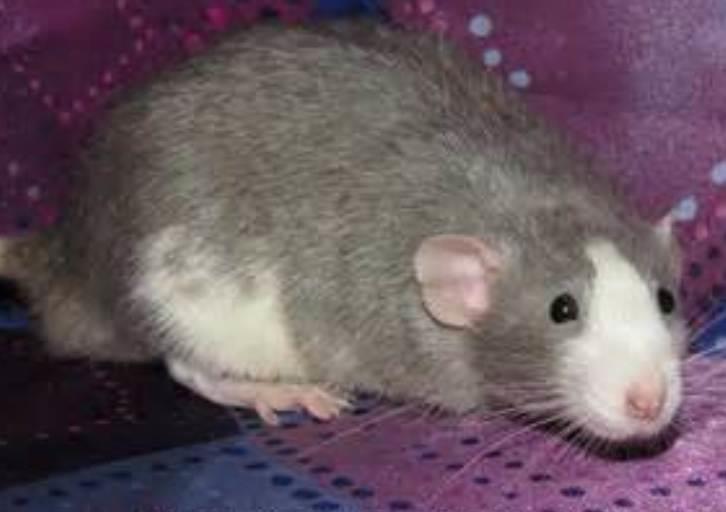
Most pet mice in Australia are fancy mice bred for temperament and colour. Coat types vary, with satin, long-haired, and hairless lines all around, but the daily needs are broadly the same: safe housing, stable companionship, and gentle handling.3
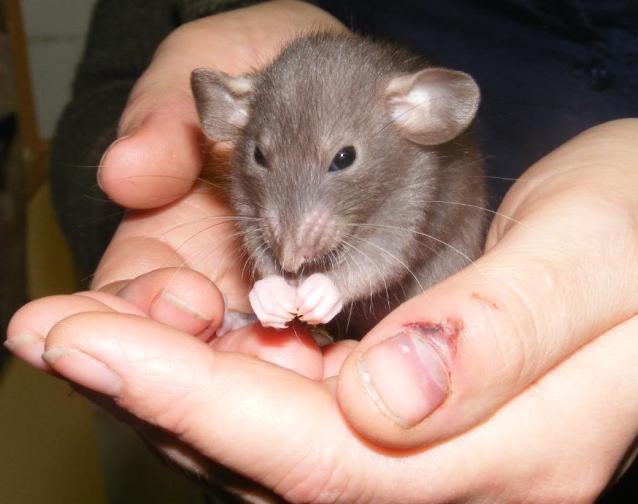
A healthy mouse looks and moves like a small animal built for constant scouting: bright eyes, a clean nose, a tidy coat, and an interest in what is happening around it.4
- Look for: clear eyes, dry nose, even breathing, smooth coat, steady movement, and normal curiosity.
- Avoid: sneezing, clicking or wheezing, crusty eyes or nose, hunched posture, diarrhoea, patchy fur, or constant scratching.
- Choose stable groups: where possible, take a pair or small group that has already been living together, often siblings. Changing a group later can trigger fighting.2
Housing and environment
Mice are agile climbers and persistent chewers, and they urinate frequently, so the enclosure has to do two things at once: hold them securely and breathe well. Wire-sided cages with a solid base generally provide the best airflow, while solid-sided tubs and aquariums tend to trap ammonia and humidity, which can irritate airways. Skip wire floors, because a solid base with deep bedding protects feet from injury and irritation, including pododermatitis (bumblefoot).5
There are no strong evidence-based rules for a perfect cage size, so the practical target is simple: as large as you can comfortably maintain, with multiple levels and plenty of hides. More space and complexity gives mice more choice about where to sleep, where to forage, and where to retreat, and that reduces friction within the group. Place the enclosure off the floor, away from direct sun, draughts, heaters, and air conditioners. A quieter room you use often works well, though mice are most active at night, which can make bedrooms a poor match.5
Mice need bedding they can dig into, plus separate nesting material they can gather and shape. Avoid fluffy, stringy nesting fibres that can tangle around limbs or be swallowed, and avoid fragranced or dyed products that may irritate sensitive airways.3, 6 Enrichment does not need to be fancy, it needs to be changeable: tunnels, cardboard to shred, climbing branches, and scattered feeding to encourage foraging. Chewing and hiding are especially important behaviours in mouse groups.2
Diet and water
Base the diet on a complete commercial mouse food, often sold as nuggets or blocks, so mice cannot pick out only the tasty bits and miss essential nutrients. Add small amounts of fresh produce as part of the daily ration, not on top of it.7
- Everyday base: commercial mouse nuggets or blocks.7
- Fresh extras in small amounts: pieces of carrot, broccoli, apple, and similar produce.8
- Foraging: scatter some of the daily allowance through the enclosure so mice spend time searching and handling food.7
Some foods are outright unsafe, and others are simply trouble in a small digestive system, where diarrhoea and dehydration can follow quickly. Avoid known toxic items like grapes, raisins, and rhubarb. Onion is also best avoided, and very sugary or fatty foods should stay firmly in rare-treat territory.7
Mice should have constant access to clean water. A bottle with a metal sipper tube usually stays cleaner than a bowl, but either way it needs daily checks for blockages, leaks, and contamination.7, 8
Social needs and everyday handling
Mice are social animals and usually do best with mouse company rather than alone. Stable, single-sex groups, especially groups of females, tend to be the simplest arrangement for most homes.1, 2
- Generally best: a small group of females that has grown up together.1, 2
- Avoid: housing intact adult males together, as fighting is common.1, 2
- Avoid: mixing males and females unless you have firm veterinary guidance and desexing is involved, because unplanned litters happen quickly.1
- Do not house rats and mice together: they may be incompatible and can compete for resources.6, 8
Mice can learn to tolerate and even seek out gentle human contact, but the process is slow and physical safety comes first. Let them approach your hands, scoop and support their whole body, and never lift by the tail. Frequent, calm handling from a young age helps.1 Children should always be closely supervised, because mice are fragile and a sudden squeeze or drop can cause serious injury.1
Health, lifespan, and when to see a vet
Many pet mice live around 1.5 to 2.5 years, though shorter and longer lifespans are seen. A short lifespan is not a sign of poor care by default, it is normal mouse biology, but it does mean age-related problems can arrive early compared with other pets.9
Respiratory disease is a recurring theme in mouse care, and the cage environment plays a big role. Poor ventilation and dirty bedding allow ammonia to build up, irritating airways and contributing to respiratory disease complex.6
- Red flags: sneezing, noisy breathing, breathing with effort, lethargy, reduced appetite, weight loss, crusty eyes or nose, persistent scratching, or wounds from fighting.
If you notice any of these, contact a vet experienced with small mammals. Mice can deteriorate quickly, and a wait-and-see approach often costs time you do not have.8 The preventative measures that matter most are steady: prioritise ventilation and frequent removal of soiled bedding to limit ammonia build-up,5, 6 keep social groups stable and avoid adding or removing mice where possible,2 and spend a minute each day watching movement, breathing, coat condition, and appetite, since changes there are often the earliest clues.
Cleaning and maintenance
Cleaning a mouse enclosure is really about air, not just smell. Mice produce a lot of urine, and ammonia builds quickly in enclosed spaces, especially in poorly ventilated housing.5, 6
- Daily: remove visibly soiled bedding, remove any stashed fresh food, and wipe obvious wet spots on solid surfaces.5
- Regular deep clean: refresh bedding and wash solid surfaces often enough that the enclosure never develops a strong ammonia smell. Frequency depends on cage size, ventilation, and number of mice.
Leave a small amount of clean, familiar nesting material when you can. A total strip-out every time can make the enclosure smell new in a way that encourages more marking, which makes odour control harder rather than easier.
A Few Things Worth Knowing
- Mice live in a world of fine sound and quick movement, and their hearing is highly sensitive.4
- They are built for climbing, jumping, and rapid shelter-seeking, which is why they do best with multiple hides and a calm, predictable home.4
- Because they are nocturnal, most of their activity happens after dark, so an active-hours match with your household matters.5
The Bottom Line
Pet mice do well when their world stays steady: familiar cage-mates, clean air, safe hiding places, and a diet that does not invite selective eating. The reward is subtle and daily, seen up close in a space you have shaped to suit a small, busy animal. Get the ventilation, the company, and the diet right, and most of the common problems never get started.
References
- RSPCA Australia, Caring for pet mice
- RSPCA Knowledgebase, What company do my pet mice need?
- RSPCA Australia, Essential tips on housing mice
- NSW Department of Education, Animals in Schools: Mice (introduction and behaviour)
- RSPCA Knowledgebase, Where should I keep my mice?
- RSPCA Knowledgebase, How should I care for my mice?
- RSPCA (UK), What to feed pet mice
- Agriculture Victoria, Caring for pet rats and mice
- MSD Veterinary Manual, Mice at a glance

Dog lover and writer at My Pets Australia, sharing practical breed guides and care advice for Australian pet owners.