Comprehensive Guide to Caring for a Belgian Malinois
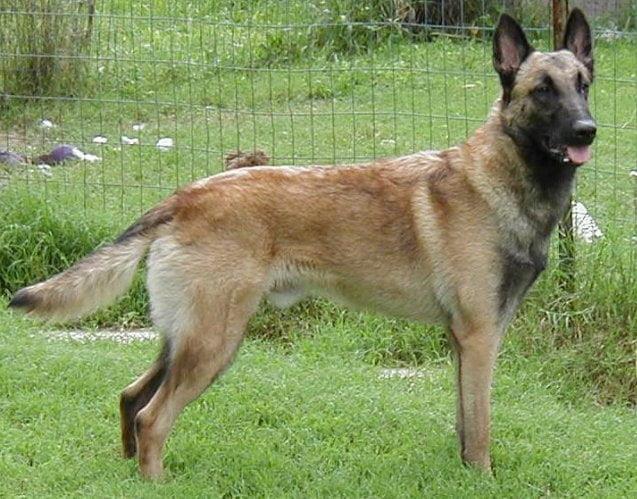
The Belgian Malinois is a medium to large working dog from Belgium, one of four varieties of the Belgian Shepherd Dog, and one of the most capable animals you can put your hands on. It is fast, athletic, quick to learn, and it bonds hard with the person who trains it, which is why police, military and search-and-rescue units around the world rely on it. That same intensity is the catch. A Malinois needs a job, a routine, and daily physical and mental work, and without those it will find its own outlets, usually in your backyard. In the right home it is a brilliant companion, and this guide covers what that home actually looks like.
At a Glance
- Breed type: Working / herding
- Country of origin: Belgium
- Other names: Belgian Malinois; Belgian Shepherd Dog (Malinois)
- Size: Medium to large, athletic
- Height (at the withers): Males about 62 cm; females about 58 cm (breed ideal; some variation accepted in standards)1, 2
- Weight: Males about 25 to 30 kg; females about 20 to 25 kg (breed ideal; working lines can vary)1, 2
- Life expectancy: Often around 10 to 14 years; individual dogs vary with genetics, care, and workload3
- Best suited to: Experienced, active owners who can provide daily training, exercise, and careful management
History and Origin
The name "Malinois" points to the Mechelen (Malines) region of Belgium, where short-coated Belgian shepherds were developed and refined for practical farm work, including herding and guarding.2 The breed was shaped to be quick, responsive, and able to work all day in close partnership with a handler.2 The same traits that made it useful on a farm, drive, athleticism and responsiveness, now make it common in police, military, detection, and search-and-rescue roles.10
Appearance and Physical Characteristics
A typical Malinois looks dry-muscled and balanced rather than bulky. The coat is short with a dense undercoat, and colours are usually fawn to mahogany with a black overlay and a distinct black mask.2 They are often mistaken for German Shepherd Dogs. The easiest field clue is the overall outline: many Malinois appear squarer and lighter-framed, built for sharp turns and sustained speed rather than sheer mass.
Temperament and Personality
A well-bred, well-raised Malinois is alert, highly trainable, and deeply responsive to routine. They form strong working bonds with their people, and many are naturally protective, which needs steady guidance rather than encouragement. What catches families off guard is not aggression, it is momentum. A Malinois can rehearse high-energy behaviours, chasing, mouthing, fence-running, dismantling the backyard, simply because the day did not ask enough of them.
Is a Belgian Malinois Right for You?
For most households, honestly, this is not the right dog. It suits people who genuinely enjoy daily training, not just weekend walks, and who can offer structured outlets such as obedience, scent work, agility, tracking, or running with a conditioned adult dog. It also suits owners willing to manage the dog's environment with gates, leads, enrichment, and calm routines. If you want a dog that can happily do very little most days, look elsewhere.
Children and other pets
Many Malinois live safely with children and other animals, but it depends heavily on early socialisation, ongoing supervision, and teaching the dog how to settle. Their chase instinct and quick mouth can be a poor match for chaotic play if boundaries are not in place.
Training and Exercise
Training is not optional with this breed, it is basic care. Reward-based methods build clarity and confidence, and they are recommended by Australian animal-welfare guidance for companion dogs.4, 5
Early training and socialisation
Start early, keep it calm, and make it routine, with gentle exposure to people, dogs, surfaces, vehicles, grooming, and time alone. The goal is not to flood them with experiences. It is to help them stay thoughtful in the presence of everyday life.
What "enough exercise" looks like
Most dogs need daily exercise and opportunities to play, and for a Malinois the quality of the activity matters as much as the quantity.4
- Physical work: brisk walks, controlled off-lead runs in safe areas, structured games, fitness work.
- Mental work: short training sessions, scent games, problem-solving feeding, learning to settle on a mat.
Enrichment matters, but it needs to be done thoughtfully. Repetitive toys, too much food-based enrichment, or unsafe items can create problems rather than solve them.6
Puppies: avoid too much, too soon
Large-breed puppies can be vulnerable to over-exercise while their bodies are still developing. Keep activity appropriate for age, build fitness gradually, and avoid sustained high-impact exercise until your vet advises it is suitable.7
Health and Lifespan
Belgian Malinois are often described as robust, but no breed is maintenance-free. The sensible approach is prevention: buy from a breeder who health-tests, keep your dog lean, and investigate limping, stiffness, or vision changes early. Even when the dog seems unstoppable, staying lean is one of the simplest protections you can give its joints over a lifetime.
Common issues seen in the breed
- Hip dysplasia: a developmental condition that can lead to arthritis, managed with weight control, suitable exercise, medication and/or surgery depending on severity.8
- Eye disease (including progressive retinal atrophy in some lines): inherited eye conditions can occur in dogs; ask about eye screening and genetics in the breeding pair.9
Preventative care checklist
- Routine veterinary care (vaccinations, parasite control, dental checks).
- Ask breeders for evidence of hip/elbow screening and eye certification in breeding stock.1
- Conditioning over "weekend warrior" bursts: steady fitness is kinder to the body.
Grooming and Care
The Malinois coat is practical. Weekly brushing usually keeps it tidy, with heavier shedding seasonally, and basic care of nails, ears and teeth matters more than baths. Use grooming time as a quiet inspection of paws, skin, ears, and any new stiffness after exercise.
Diet and Nutrition
Feed for a lean, muscular body condition rather than a number on a chart. A Malinois doing high-level sport or service work may need very different calories to a suburban companion dog. If you are unsure, your vet can help you set a target body condition and adjust portions over a few weeks. Consistency beats constant changing.
A Few Things Worth Knowing
- The Malinois is one of four varieties of the Belgian Shepherd Dog.2
- The breed is widely used in police and military work because it combines stamina, trainability, and a strong desire to engage with tasks.10
- You will sometimes hear the story of "Cairo", a Belgian Malinois reported to have been involved in the 2011 U.S. Navy SEAL operation against Osama bin Laden. It is part of the breed's modern mythos, but it does not change the day-to-day truth: most Malinois need structure more than heroics.10
The Bottom Line
A Belgian Malinois thrives where life has shape: training, movement, rest, repeat. In that rhythm its intensity becomes something clean and useful. If you want a dog that notices everything and is willing to learn how to live well in a human world, and you can commit to the daily work, this breed can be extraordinary. If you cannot, it is not the dog for you.
References
- Dogs NSW (ANKC affiliate), Belgian Shepherd Dog (Malinois): height, weight and health notes
- FCI breed standard summary (Belgian Shepherd Dog / Malinois): size and colour
- WebMD, Belgian Malinois: size and life expectancy overview
- RSPCA Knowledgebase, General dog care: reward-based training, exercise and behaviour
- RSPCA Pet Insurance, Essential dog care information (exercise, training, grooming)
- RSPCA Australia, The importance of enrichment for dogs (benefits and risks)
- RSPCA Pet Insurance, How to safely exercise your dog or puppy (avoid over-exercising puppies)
- Merck Veterinary Manual (Pet Owner Version), Hip dysplasia in dogs
- The Guardian, Progressive retinal atrophy (PRA) explained in the context of inherited blindness and genetic testing
- Encyclopaedia Britannica, Belgian Malinois: origin, size, and working roles

Dog lover and writer at My Pets Australia, sharing practical breed guides and care advice for Australian pet owners.