Cocker Spaniel
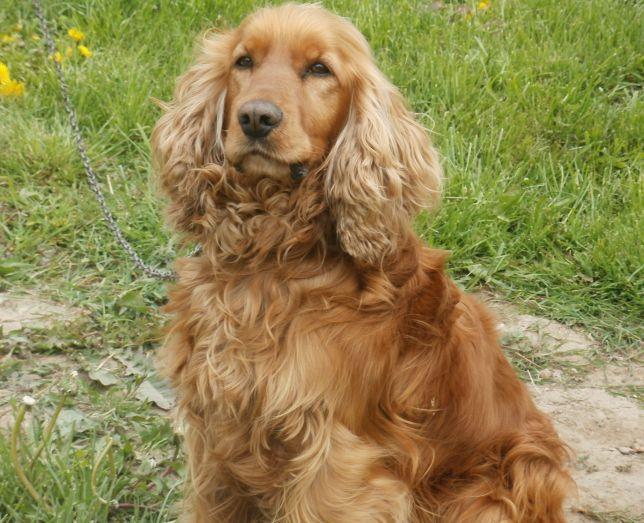
The Cocker Spaniel is a medium gundog from Britain, known for a soft, sociable nature and a busy, quick-learning mind. Most people meet them as family dogs now, but the original job is still in there: a nose that stays working and a body that wants to move. They make steady, affectionate companions for a household that can keep up with them. It is also a real commitment. The coat needs routine grooming, the ears need regular checks, and the dog needs daily exercise and something to think about.
Quick Facts: Cocker Spaniel (English type)
- Breed type: Gundog (spaniel)
- Country of origin: United Kingdom (England)
- Size: Medium
- Also known as: English Cocker Spaniel, "Cocker"
- Height: Dogs approx. 39 to 41 cm; bitches approx. 38 to 39 cm1
- Weight: Approx. 13 to 14.5 kg (typical breed standard range)1
- Exercise requirements: Medium to high (often up to around an hour a day for many adults)2
- Grooming: High (coat and ears need routine attention)2
- Lifespan: Often 12+ years; many live into their early teens with good care3
- Best suited as: Companion dog for households that can provide daily exercise, training and grooming
History and Origin
The Cocker Spaniel was developed in Britain as a small, athletic gundog, bred to work through thick cover and flush game birds. It was used particularly on woodcock, which is where the name "cocker" comes from.2 The breed became formally recognised as its own variety in the UK in the late 19th century, once spaniels were increasingly classified by size and work type rather than lumped together.2
Today most Cockers are family dogs rather than working gundogs, but the original design still shows: a nose that stays busy, a body that wants to move, and a mind that learns quickly when training is clear and kind.
Appearance and Physical Characteristics
English Cocker Spaniels are compact, slightly longer than tall, and built to trot for hours. The coat is medium length with feathering, and it can be solid or parti-coloured, including roan patterns, with colours defined in the Australian breed standard.1 The long, pendulous ears are part of the classic look, and they are also a practical consideration. Less airflow and more trapped moisture can make the ear canal a friendlier place for inflammation and infection if routine care slips.6
Working line vs show line
You will sometimes hear people talk about "working" and "show" Cockers. Both are the same breed, but they can differ in coat, drive and daily exercise needs. A dog bred for field work may be lighter, faster, and more intense about scent and movement.
Temperament and Personality
Cocker Spaniels are widely known as sociable, biddable dogs that like being close to their people. Many are gentle with children when raised with steady handling and taught calm manners early.3
They can also be busy. A bored Cocker often finds its own work, whether that is shadow-chasing, scavenging, barking at movement, or inventing games that do not suit the household. This is not really naughtiness. It is a dog doing what it was built to do: notice, search, and respond.
Is a Cocker Spaniel Right for You?
A Cocker suits people who want a dog close by, observant, and ready to move, then happy to settle once the day has been properly spent. The demands are honest, though. Plan on a daily walk with time to sniff, short training sessions, weekly ear checks, and a coat kept free of knots. If you cannot commit to regular grooming and daily exercise, this is not the breed to start with.
Training and Exercise
Most adult Cockers do best with daily exercise that lets them sniff, trot and explore, not just a lap around the block. As a general guide, many cope well with up to about an hour a day, adjusted for age, weather and fitness.2
Training tends to go smoothly when it is reward-based and consistent. Keep sessions short, use food or play as payment, and practise calm skills such as settle, wait and loose-lead walking as often as the energetic ones. Early socialisation matters too, meaning gentle exposure to people, dogs, surfaces, sounds and handling while the dog is still young.
Simple daily enrichment that suits the breed
- Scatter feeding in grass or a snuffle mat to let them forage
- Short scent trails in the yard or on walks
- Two-minute training micro-sessions throughout the day
- Retrieving games that end before the dog winds up too far
Health and Lifespan
With good care, Cocker Spaniels often live 12 years or more, and many reach their early teens.3 Every breed has its patterns of risk, and with Cockers the ears and eyes deserve calm, routine attention, while the skin can flare if allergies or moisture get a foothold.
Ears: otitis externa (outer ear infections)
Pendulous ears and moisture, including from swimming, can predispose dogs to otitis externa. Regular checks, drying after water play, and prompt vet attention for redness, odour, head-shaking or pain can stop minor irritation becoming a chronic problem.6
Eyes
Some Cocker Spaniels are prone to eye disease. If you notice cloudiness, redness, discharge, squinting, or your dog hesitating on stairs, treat it as a vet issue rather than a wait-and-see. Regular veterinary checks help pick up problems earlier.
Skin
Feathered coats can hold moisture and debris close to the skin, especially in warm or wet weather. If itching, redness or recurrent ear trouble becomes a pattern, ask your vet about allergies and underlying causes rather than repeatedly treating the symptoms.
Grooming and Care
A Cocker coat is handsome, and it needs maintenance to stay that way. Expect to brush several times a week, often daily in high-friction areas like the ears, chest, belly and feathering, to prevent mats that can pull the skin and hide irritation.2 Many owners use a professional groomer every 6 to 10 weeks, then do short, regular upkeep at home. Keep nails trimmed, teeth brushed, and hair around the feet and sanitary areas neat so the dog stays comfortable.
Ear care basics
- Check ears weekly, more often if your dog swims.
- Look for redness, odour, discharge, or frequent scratching and head-shaking.
- Only use ear cleaners recommended by your vet, especially if the ear looks inflamed.
Choosing a Puppy
If you are buying a puppy, choose a breeder who health-tests, raises pups in a home environment, and can talk plainly about temperament in their lines. Ask what they do to expose puppies to handling, household noise, different surfaces, and gentle separation so the pup learns to settle.
Vaccinations in Australia (typical guidance)
Vaccination schedules vary with risk and your veterinarian's advice, but Australian guidance commonly starts core vaccines at 6 to 8 weeks, with boosters every 2 to 4 weeks until at least 16 weeks of age. Adult boosters then continue on a schedule advised by your vet.5 Until your puppy has completed the primary course, be cautious with high-dog-traffic areas like busy parks, and ask your vet when it is safe to start visiting public places.7
A Few Things Worth Knowing
- Disney's Lady and the Tramp (1955) features Lady as a cocker spaniel, and the character is commonly described as an American Cocker Spaniel in modern references and cast descriptions.9
- "Wishbone", from the 1990s PBS series, is often misremembered as a spaniel cross, but the TV dog is actually a Jack Russell Terrier.10
The Bottom Line
A Cocker Spaniel rewards routine. Give it a daily walk with time to sniff, short training sessions, clean ears, and a coat kept free of knots, and the breed's well-known softness and sparkle tend to show up on their own. Skip that upkeep and you get ear trouble, mats and a bored dog inventing its own jobs. For an active household that enjoys a hands-on companion, it is a genuinely good fit.
References
- Dogs Australia (ANKC), Cocker Spaniel breed standard (size, weight, colours)
- The Kennel Club (UK), Spaniel (Cocker) breed information
- Hill's Pet Australia, English Cocker Spaniel breed profile
- RSPCA Knowledgebase, What vaccinations should my dog receive?
- Merck Veterinary Manual, Otitis externa in animals (predisposing factors including pendulous ears and moisture)
- RSPCA Australia, What you need to know about pet vaccinations
- Lady and the Tramp (1955), film article (character description and cast notes)
- Wishbone (TV series), series article (Wishbone is a Jack Russell Terrier)

Dog lover and writer at My Pets Australia, sharing practical breed guides and care advice for Australian pet owners.