Choosing and maintaining your Bird Cage
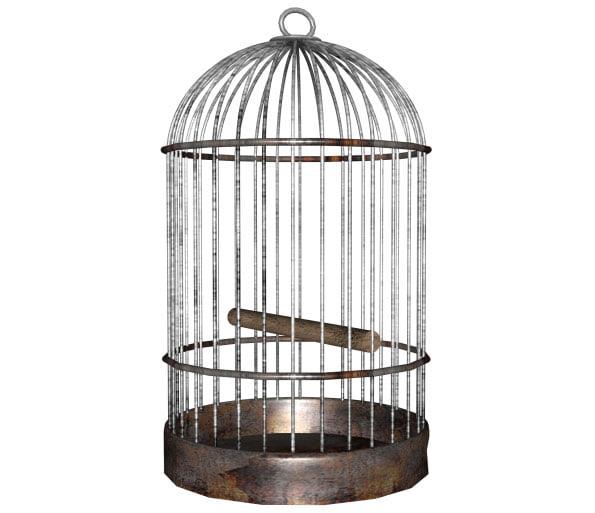
A bird cage is the single piece of equipment that shapes almost everything about keeping a pet bird well. Get it right and your bird can stretch, flap, climb and rest in comfort, and you can keep the whole set-up clean without much fuss. Get it wrong and small problems start to appear: foot sores, stress behaviours, smelly build-up, and in the worst cases exposure to fumes or heavy metals. People usually go cage shopping when something changes, a new bird arriving, a youngster outgrowing a starter cage, or an old set-up that has become hard to clean. This guide walks through choosing a cage that fits your bird's body and habits, placing it safely indoors, and keeping it clean without turning maintenance into a daily battle.1, 2
Choosing the right size and style
Cage size is mostly about movement. Your bird should be able to fully extend and flap its wings without hitting the bars, and still have room for perches, food bowls and a few toys without feeling crowded.1
Width usually matters more than height. Many pet birds travel side to side inside the cage far more than they climb straight up, especially when hopping between perches and bowls, so a longer flight path makes that movement feel less like shuffling in place.
Style comes second to function, but a few features are worth looking for:
- Front access: Large doors make cleaning and handling safer and calmer for both of you.
- Simple geometry: Square or rectangular cages are easier to set up and easier to scrub properly.
- Secure latches: Many parrots can work basic catches over time, so choose locks that do not rely on friction alone.
One safety check people often skip is bar spacing. The bars should be narrow enough that your bird cannot push its head through. A sensible starting point is the bird's body size, matched to mesh aperture guidance measured in millimetres.1
Materials, and the ones to avoid
Birds explore with their beaks, so the cage finish and hardware matter more than they might for other pets. Flakes and filings can be swallowed, which turns a poor material choice into a health risk.
The safest common options are stainless steel, which is durable, corrosion resistant and easy to disinfect, and good quality powder-coated metal, which can be suitable if the coating is intact and non-toxic. Inspect powder-coated cages routinely for chips and rust.
Two materials deserve real caution:
- Galvanised wire or metal: Galvanising involves zinc, and birds can develop zinc poisoning from ingesting zinc-containing metal, including galvanised cage surfaces, especially if they chew them.2, 3, 4
- Old or poorly finished painted cages: Chipped paint can be swallowed. If you cannot confirm the coating is bird-safe, choose a different cage.
If you inherit a second-hand cage and you are unsure about the finish, treat it as suspect until an avian vet can advise. Replacing a questionable cage is usually cheaper than treating heavy-metal toxicosis.
Where to put the cage
Placement is mostly about air. Birds have sensitive respiratory systems, and everyday household fumes can be dangerous in a way that surprises new owners.2
Keep the cage out of the kitchen and away from cooking fumes. This includes smoke, aerosolised oils, and fumes from overheated non-stick cookware (PTFE, sold under names like Teflon), all of which can be fatal to birds.2 Aim instead for a stable, well-lit room where the bird can observe the household without sitting in the middle of foot traffic. Positioning the cage so at least one or two sides feel protected, for example near a corner with a back wall, can reduce startle and stress.1
A few spots are worth avoiding:
- Windows, doorways and draughts: Sudden temperature changes and constant movement outside can unsettle birds, and draughts can be harsh over long periods.2
- All-day direct sunlight: Overheating happens quickly in a glass-warmed room, so aim for bright shade rather than full sun.2
- Low, floor-level cages: Being looked down on by people and pets can be intimidating. A stand that brings the main perch closer to chest height is often calmer for the bird.1
Accessories that earn their place
Good accessories support three basics: secure footing, clean feeding, and safe activity.
Perches matter more than most toys. Use a variety of diameters and textures, since natural branches that are properly cleaned and bird-safe encourage healthier feet than a single uniform dowel. Avoid sandpaper perches marketed as nail files, because they can abrade the feet and may contribute to sores.5
For food and water, prefer stainless steel bowls, which scrub clean easily and resist damage from beaks and brushes. Position bowls to reduce droppings contamination, as a simple shift in placement can prevent a lot of bacterial build-up and wasted food.5
With toys, offer a small selection at any one time, then rotate them. The goal is steady novelty without turning the cage into a cluttered obstacle course.
Cleaning and maintenance
Regular cleaning keeps droppings, mould and old food from building up, which is good for your bird's health and important for keeping your home sanitary.6 A simple rhythm keeps it manageable:
- Daily: Change food and water, remove wet food, wipe obvious droppings, and swap soiled paper or liner.
- Weekly: Wash the base tray, scrub bowls, wipe bars and doors, and clean any perches with droppings on them.
- As needed: Replace frayed ropes, cracked plastic, rusting hardware, and any toy with loose threads your bird could swallow.
Use hot water and a bird-safe cleaning approach. Avoid strong-smelling cleaners, aerosols, and anything that leaves lingering fumes in or near the cage area.2
A comfortable, stimulating layout
A good cage feels organised: clear travel routes between perches, predictable access to food and water, and a few changing points of interest. A handful of small habits help:
- Keep one familiar perch position: When you rotate toys, leave at least one stable resting spot so the cage does not feel entirely new overnight.
- Encourage natural behaviour: Many birds benefit from activities that involve shredding, climbing and foraging for food rather than eating only from an open bowl.
- Prioritise supervised time out of the cage: Even an excellent cage cannot replace movement and exploration in a safe room.
It is also worth naming the common mistakes, because most of them are easy to avoid. Choosing a cage by looks alone puts function last, when size, bar spacing, safe metal and a cleanable layout should come first.1 Putting the cage in the kitchen exposes the bird to a well-recognised fume risk.2 Using galvanised wire because it is sturdy invites zinc toxicosis, a risk that increases if your bird chews the cage.3, 4 Overcrowding the interior blocks movement and makes cleaning harder, which usually means it happens less often. And relying on sandpaper perches can damage feet rather than protect them.5
Upgrading or replacing a cage
A cage usually needs replacing when it can no longer be kept safe or clean: rust you cannot remove, flaking coatings, bent bars, failing latches, or a bird that no longer has room to move properly. When you upgrade, aim for a cage that is wider, made from non-toxic materials, and easier to access for cleaning.
When the new cage comes home, set it up fully first with perches, bowls and a few familiar toys, then let your bird approach it at its own pace. Some birds step in quickly, while others need a few calm days of gradual exposure.
The Bottom Line
A good bird cage does not need to impress. It needs safe metal, sensible bar spacing, clean surfaces, and enough room for wings to open freely. Get those basics right and the rest, the perches, toys and routines, falls into place, and your bird gets the quiet benefit of a home that actually works.
References
- RSPCA Knowledgebase (Australia), What kind of enclosure does my bird need?
- Agriculture Victoria, Owning a bird (pet birds guidance, including cage location and fumes)
- Merck Veterinary Manual, Zinc toxicosis in animals
- Journal article (PubMed), Health risks of housing small psittacines in galvanized wire mesh cages
- Tri-City Animal Clinic, Basic bird care (housing, perches, materials)
- ACT Government, Keeping birds at home (sanitary conditions and cleaning)

Dog lover and writer at My Pets Australia, sharing practical breed guides and care advice for Australian pet owners.